HAL imposes damages on GE Aerospace for delays in supplying Tejas Mk-1A engines| India News
HAL Imposes Penalty on GE Aerospace Amid Tejas Engine Delivery Delays
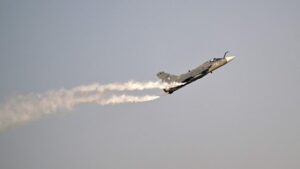
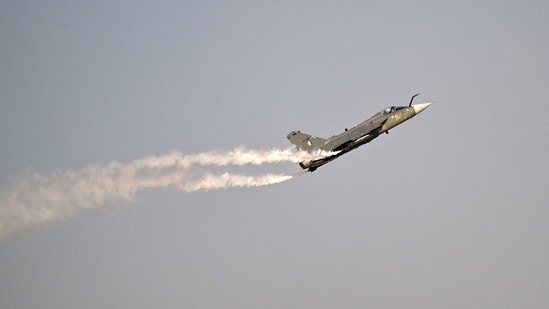
India’s ambition for self-reliance in defense manufacturing faces a significant hurdle as Hindustan Aeronautics Limited HAL has taken punitive action against US firm GE Aerospace. The public sector aviation giant has levied a penalty on GE Aerospace over severe delays in the delivery of F404-GE-IN20 engines, crucial components for India’s indigenous Light Combat Aircraft LCA Tejas Mk-1A. This development underscores the complexities and challenges inherent in large-scale international defense procurements.
The original agreement, inked in 2021, was a substantial deal worth approximately 716 million US dollars. It stipulated the supply of 99 F404-GE-IN20 engines, vital for powering the fleet of Tejas Mk-1A fighter jets. These engines are, quite literally, the heart of the aircraft, enabling its operational capabilities. The delay in their arrival directly impacts HAL’s production schedule for the advanced Tejas variant, a cornerstone of the Indian Air Force’s modernization plans.
The Core of the Delay
According to reports from various Indian news outlets, including those specializing in defense, GE Aerospace has so far delivered only a paltry six of the promised 99 engines. This stark disparity between the ordered and delivered quantity has left HAL in a precarious position, as it endeavors to meet the stringent timelines for delivering the Tejas Mk-1A to the Indian Air Force. The Tejas program is not merely about acquiring advanced jets; it represents India’s push towards reducing dependence on foreign suppliers and bolstering its aerospace industrial base.
For a 12th-standard student, imagine ordering 99 specialized parts for a complex science project, crucial for its completion by a deadline. If the supplier only sends 6 of those parts, your entire project schedule goes haywire. That’s essentially the situation HAL finds itself in with GE Aerospace. The F404 engines are custom-built for the Tejas, meaning there isn’t an immediate, easy alternative to plug the gap.
Why the F404 Engine is So Important
The Tejas Mk-1A is an upgraded version of the original Tejas Mk-1. It incorporates advanced avionics, an active electronically scanned array AESA radar, and improved electronic warfare capabilities. To perform optimally, these enhancements require reliable and timely engine supply. The F404-GE-IN20 engine is a robust, proven turbofan engine known for its performance and reliability in light combat aircraft globally. Its selection for the Tejas Mk-1A was a strategic decision to ensure the aircraft met international standards. The delay in the supply of these critical propulsion units directly slows down the entire assembly line at HAL’s facilities.
HAL’s Response and Contractual Obligations
Faced with persistent delays, HAL, acting within its contractual rights, has imposed a penalty on GE Aerospace. Such penalties are standard clauses in large defense contracts, often referred to as liquidated damages. They serve as a mechanism to compensate the buyer for losses incurred due to the seller’s failure to meet agreed-upon timelines. The imposition of this penalty by HAL highlights the seriousness of the situation and the mounting pressure to expedite the Tejas Mk-1A production. While the exact financial details of the penalty are not always made public, such measures typically involve a percentage of the contract value or a daily/weekly fine for each delayed item. This ensures accountability from the supplier.
Multiple sources indicate that the issue stems from various factors, potentially including global supply chain disruptions that have affected industries worldwide. However, for a critical defense program, such explanations offer little solace when national security timelines are at stake. The Indian government has placed considerable emphasis on accelerating the induction of Tejas aircraft to replace its aging fleet of MiG-21s and other legacy fighters.
Wider Implications for India’s Defense Landscape
This development has broader implications for India’s defense manufacturing ecosystem and its “Make in India” initiative. While India is actively pushing for greater indigenous content in its defense platforms, collaborations with global leaders like GE Aerospace remain crucial for high-technology components. The delays underscore the vulnerability that can arise from depending on a single foreign source for critical systems.
For Omni 360 News, this story is a vivid illustration of the intricate dance between international trade, technological partnership, and national security objectives. It’s a reminder that even well-structured agreements can hit roadblocks, necessitating strong contractual enforcement and strategic contingency planning. The Indian Air Force is eagerly awaiting these aircraft, and any prolonged delay could impact its operational readiness.
The Path Forward
Going ahead, close monitoring and proactive engagement will be essential. Both HAL and GE Aerospace will likely engage in discussions to resolve the bottlenecks causing these delays. This could involve exploring alternative sourcing for certain components, streamlining logistics, or even re-negotiating parts of the delivery schedule. However, the penalty serves as a firm message that contractual commitments in defense procurements are non-negotiable.
India is also simultaneously working on developing its own advanced jet engine, the AMCA engine, with potential foreign collaboration, notably with French firm Safran. These ongoing challenges with the F404 delivery only reinforce the urgency and strategic importance of achieving greater self-reliance in aero engine technology.
Key Takeaways
* HAL has penalized GE Aerospace for significant delays in delivering F404-GE-IN20 engines for the Tejas Mk-1A.
* Only 6 of 99 engines ordered in a 2021 716 million dollar deal have been delivered.
* These engine delays directly impact India’s Tejas Mk-1A fighter jet production and military modernization efforts.
* The situation highlights the complexities and potential vulnerabilities in international defense procurements.
* India’s push for indigenous defense manufacturing and engine development gains renewed urgency from these delays.