Half of Odisha’s most vulnerable tribals cut off from welfare schemes: CAG report| India News
Odisha’s Most Vulnerable Excluded from Welfare CAG Audit Flags MGNREGS Gaps
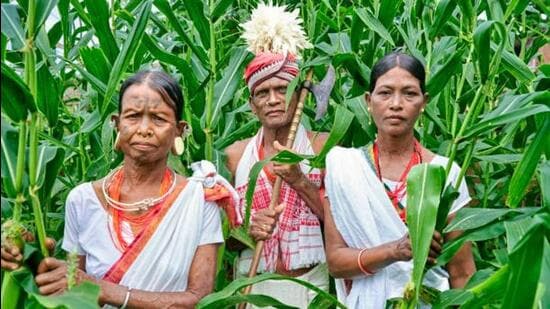
A recent audit by the Comptroller and Auditor General (CAG) of India has brought to light a concerning situation in Odisha, revealing that over half of the state’s Particularly Vulnerable Tribal Groups (PVTGs) are being left out of crucial welfare initiatives. The report also sharply critiques the Mahatma Gandhi National Rural Employment Guarantee Scheme (MGNREGS) for its failure to provide guaranteed work. This comprehensive review, crucial for Omni 360 News, underscores significant challenges in reaching the state’s most marginalized communities.
The CAG report, examining the period from 2017-18 to 2021-22, highlighted that 54% of households belonging to Odisha’s 13 identified PVTGs are excluded from at least one vital welfare scheme. These schemes are designed to uplift vulnerable populations, encompassing housing programs like Pradhan Mantri Awas Yojana (PMAY) and Biju Pucca Ghar Yojana, essential pension benefits under the National Social Assistance Programme (NSAP), and food security provisions through Antodaya Anna Yojana (AAY) and Odisha Food Security Scheme (OFSS). The exclusion factors are alarmingly basic: lack of awareness, absence from voter lists, non-possession of Aadhaar cards, or issues with Aadhaar linking to bank accounts, pointing to systemic gaps in outreach and digital inclusion.
Further complicating the socio-economic landscape for these communities, the audit exposed substantial failures within MGNREGS. A staggering 90% of eligible households registered under the scheme failed to receive the guaranteed 100 days of employment, a lifeline for rural families. The report also flagged instances of fund diversion, noting Rs 130.63 crore allocated for Scheduled Caste (SC) and Scheduled Tribe (ST) individuals was utilized for projects where these specific workers were not engaged.
These findings from the CAG audit paint a stark picture of how critical programs, meant to alleviate poverty and improve living standards for the most vulnerable, are falling short. The persistent exclusion of PVTGs from basic services perpetuates cycles of poverty, illiteracy, and poor health, hindering their overall development. Addressing these deep-seated issues requires targeted interventions, improved digital literacy campaigns, and more rigorous oversight of welfare fund utilization to ensure benefits reach their intended beneficiaries.
Key Takeaways:
* Significant Exclusion: 54% of Odisha’s PVTG households are denied at least one welfare scheme benefit.
* MGNREGS Failure: 90% of registered households did not receive 100 days of work, alongside fund diversion concerns.
* Systemic Gaps: Lack of awareness, Aadhaar issues, and digital illiteracy are major barriers.
* Urgent Need: Enhanced governmental focus and accountability are essential to ensure these vital programs effectively reach the state’s most vulnerable.