Harish Rana's passive euthanasia process begins after emotional goodbye, 'could take 2-3 weeks'| India News
Supreme Court Greenlights Passive Euthanasia for Ghaziabad Resident Harish Rana A Landmark Decision
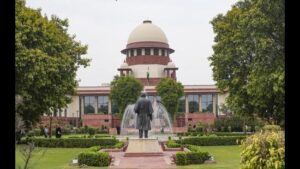
The highest court in India has charted new territory, granting permission for passive euthanasia in the compelling case of Harish Rana, a Ghaziabad resident who has been in an unyielding coma since a severe head injury in 2013. This pivotal ruling marks a profound moment for patient autonomy and the complex intersection of law, medicine, and human dignity within the nation.
For over a decade, Harish Rana, once a vibrant member of his community, has remained in a persistent vegetative state. His family in Ghaziabad, bearing the immense emotional and financial burden, has watched their loved one exist in a twilight between life and death. Their plea to the Supreme Court reflected a heartbreaking decision, born from years of unwavering care and the eventual realization that recovery was medically impossible. Their request was simple yet profound: to allow Harish to find peace, ending his prolonged suffering with dignity.
Understanding passive euthanasia is crucial for grasping the gravity of this decision. Unlike active euthanasia, which involves directly administering a substance to end life, passive euthanasia entails the withdrawal of life-sustaining treatment. In Harish Rana’s situation, this would mean ceasing interventions like artificial respiration or nutritional support, allowing nature to take its course. This distinction is vital, separating it from any action that actively causes death. For a 12th standard student, think of it as allowing the body to naturally shut down when medical machines are no longer keeping it artificially alive, rather than actively giving medicine to stop the heart.
This ruling builds upon previous legal precedents in India, notably the 2018 judgment that recognized the “right to die with dignity” as an intrinsic part of the right to life under Article 21 of the Constitution. That judgment laid down detailed guidelines for advance medical directives, or “living wills,” and the procedures for passive euthanasia, emphasizing rigorous safeguards. The Harish Rana case now represents the application of these principles to an individual, offering a concrete pathway for families facing similar agonizing choices.
The Supreme Court’s decision was not made lightly. It involved careful consideration of medical reports, the family’s wishes, and the ethical implications. Strict protocols will be followed, including evaluations by medical boards and judicial oversight, ensuring that such life-and-death decisions are handled with the utmost care and transparency. This diligent approach underlines the court’s commitment to upholding human dignity while preventing any misuse.
For families across India grappling with loved ones in similar irreversible conditions, this judgment brings a glimmer of hope and clarity. It empowers them, under stringent legal frameworks, to make choices that align with their loved one’s dignity, even in the absence of a prior living will. The conversation around end-of-life care will undoubtedly deepen within medical fraternities, legal circles, and communities. Omni 360 News will continue to monitor the broader societal impact of this landmark ruling.
Key Takeaways:
* First Individual Case: India’s Supreme Court has, for the first time, permitted passive euthanasia for a specific individual, Harish Rana.
* Dignity in Death: The decision underscores the fundamental right to die with dignity, particularly in cases of irreversible suffering.
* Passive Not Active: It specifically allows for the withdrawal of life-sustaining treatment, not active intervention to end life.
* Strict Safeguards: The process will be subject to rigorous medical and judicial oversight to ensure ethical compliance.
* Societal Impact: This ruling will likely spark broader discussions on end-of-life care, patient autonomy, and medical ethics across the nation.
This judgment for Harish Rana transcends a mere legal directive; it is a profound acknowledgment of prolonged human suffering and the compassion needed to navigate life’s final, most challenging chapters.