HistoriCity
Ancient India’s Embrace Transgender Identities Woven into Religious and Social Life Key Takeaways
For readers of Omni 360 News, understanding the past often sheds light on our present. A journey into ancient Indian history reveals a remarkably different landscape for transgender individuals, one where their identities were not just acknowledged but often deeply integrated into the very fabric of religious and community life. Far from being marginalized, members of the transgender community frequently held significant roles, reflecting a cultural discourse that often celebrated gender fluidity.
The historical presence of communities like the Hijras, often referred to as a “third gender,” stands as a powerful testament to this ancient inclusivity. Their roots trace back centuries, with mentions in ancient scriptures and traditions that paint a picture of respect and spiritual importance. This was not a fringe phenomenon but a recognized aspect of society.
One of the most compelling examples of this integration comes from India’s rich religious traditions. Ancient Hindu texts and mythology often feature characters who transcend typical gender binaries. Consider Ardhanarishvara, the half-male, half-female deity representing Lord Shiva and Goddess Parvati merged into one. This iconic image symbolizes the unity of masculine and feminine principles, underscoring a philosophical acceptance of gender spectrums that extended beyond simple male and female categories. Such deities served as powerful spiritual anchors, hinting at a broader understanding of identity.
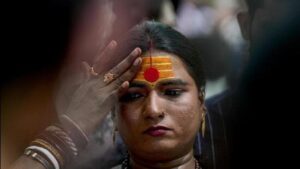
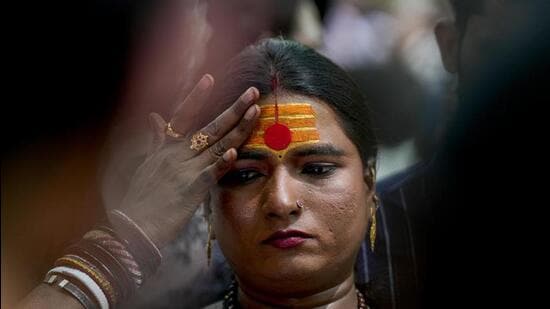
Beyond divine representation, transgender individuals played active roles in religious rituals and ceremonies. They were often considered bearers of divine blessings, particularly at auspicious events like births and marriages. Their presence was not merely tolerated but sought after, as their blessings were believed to bring good fortune and fertility. This spiritual authority provided them with a unique and respected position within communities. In some regions, certain transgender communities were historically associated with specific goddess cults, further cementing their spiritual standing.
Literary epics like the Mahabharata offer profound insights. The character of Shikhandi, who played a pivotal role in the Kurukshetra War, and Arjuna’s year as Brihannala, a dance teacher in disguise, illustrate gender variance not as a flaw but as a condition integral to their destinies and contributions. These narratives demonstrate a comfort with characters who navigate fluid gender identities, presenting them as complex individuals with agency and importance. Ancient texts also speak of Kinnars or eunuchs, who were sometimes blessed by Lord Rama himself in the Ramayana, reinforcing their respected standing.
In the realm of community life, transgender individuals held various positions. Historical accounts, often found in regional chronicles and academic studies, indicate their presence in royal courts, serving as advisors, administrators, and even guardians of harems. Their trustworthiness and unique social standing made them valuable members of the royal establishment. Their involvement extended to the performing arts, where their distinct cultural expressions contributed to the rich tapestry of ancient Indian entertainment. This widespread integration speaks volumes about the pragmatic and cultural acceptance that existed.
Local historical records and anthropological studies, moving beyond widely published national narratives, often highlight specific regional variations of this acceptance. For instance, the traditional role of specific communities in certain regional festivals or their unique contributions to local folk art forms underscore how deeply woven transgender identities were into diverse community ecosystems across the subcontinent. These details confirm that such integration was not a singular phenomenon but a multifaceted aspect of India’s cultural discourse.
Key Takeaways:
* Ancient India recognized and often revered gender fluidity, exemplified by deities like Ardhanarishvara.
* Transgender individuals held respected spiritual roles, including providing blessings at significant life events.
* Epic literature and historical accounts showcase prominent transgender or gender-fluid characters with agency.
* They served in diverse community roles, from royal courts to cultural performances, indicating widespread integration.
* This historical context reveals a nuanced understanding of identity, contrasting with later societal shifts.
The historical reality of transgender identities being integrated into religious and community life in ancient India offers a powerful lesson. It challenges contemporary perceptions and reminds us that societal acceptance and understanding are not modern inventions but often echoes of a more inclusive past. For Omni 360 News, exploring these historical truths provides a richer, more complete picture of human experience and the diverse ways societies have understood identity through the ages.