HistoriCity
Ancient India’s Diverse Genders A Historical Reflection
For generations, the narrative surrounding gender identity in many parts of the world has been rigidly binary. Yet, a closer look at the rich tapestry of ancient Indian civilization reveals a remarkably different story. Long before contemporary discussions on gender fluidity gained mainstream attention, communities we would now identify as transgender were not just acknowledged but deeply integrated into the very fabric of religious, social, and political life. This historical understanding, often overshadowed, offers profound insights into a society that embraced a broader spectrum of identities. Omni 360 News delves into this fascinating past, shedding light on a legacy of inclusion.
The roots of this historical acceptance run deep, intertwining with ancient scriptures, mythological tales, and daily customs. Texts such as the Kama Sutra, the Mahabharata, and the Ramayana, pillars of Indian literature, contain references to a “third gender” or *tritiya prakriti*. These weren’t fleeting mentions but descriptions that recognized individuals who did not conform to conventional male or female roles, endowing them with distinct characteristics and societal functions. This ancient classification wasn’t about modern medical definitions but about a cultural understanding of diverse gender expressions.
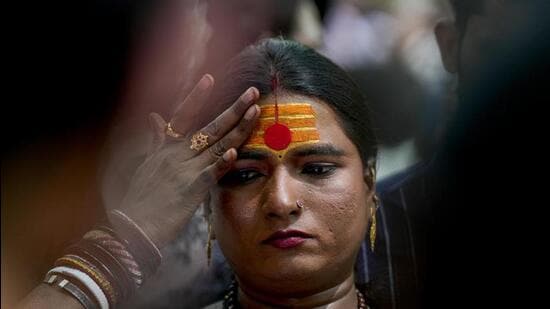
One of the most prominent examples of this integration is the Hijra community. While facing challenges in modern times, their historical role was one of significant spiritual and ceremonial power. Often seen as auspicious, Hijras were traditionally invited to bless newborns, grace weddings, and perform at festivals. Their blessings were sought, and their curses feared, stemming from a belief in their unique connection to the divine, particularly to powerful mother goddesses like Bahuchara Mata. These roles were not marginal but central to community rites, underscoring their respected, albeit distinct, place. Many local accounts and regional historical narratives confirm their presence at critical life events, where their blessings were considered essential for prosperity and protection.
Beyond spiritual duties, transgender individuals held influential positions within royal courts. History records the presence of eunuchs, a broad term encompassing various gender identities, serving as trusted advisors, administrators, and protectors of royal harems during eras like the Mughal Empire. Their perceived neutrality and loyalty often made them invaluable confidantes to rulers. Their roles were not merely functional; they often wielded considerable political sway, navigating the intricate power dynamics of the court with skill and discretion. Such figures appear in various historical documents, from court chronicles to local folklore, illustrating their established presence and influence.
The south of India also offers compelling evidence of this historical integration. In Tamil Nadu, the Aravani community, transgender women who consider themselves wives of the deity Aravan, participate in the annual Koovagam festival. This festival is a profound ritual of marriage and subsequent widowhood, celebrated with deep spiritual fervor. It’s a testament to a tradition that not only acknowledges but venerates transgender identity within a religious framework. Local cultural reporting and historical articles from the region frequently detail the significance of this festival, highlighting its centuries-old roots and the central role of Aravanis.
The shift in societal perception regarding transgender identities in India largely coincided with British colonial rule. The Victorian moral codes and legal frameworks introduced by the British classified gender non-conformity as criminal, effectively stripping these communities of their traditional roles and social standing. Laws like the Criminal Tribes Act of 1871 targeted and marginalized groups, including Hijras, leading to a significant erosion of their historical respect and integration. This colonial legacy profoundly impacted how transgender individuals were viewed and treated, pushing them to the fringes of society where they often remain, battling the remnants of this historical prejudice.
Key Takeaways:
* Ancient Acceptance: Ancient Indian society recognized and often integrated diverse gender identities, including those now understood as transgender, into mainstream life.
* Religious and Ritual Roles: Communities like Hijras held significant spiritual power, performing blessings and participating in key life ceremonies.
* Societal Influence: Transgender individuals, such as eunuchs in royal courts, exercised influence in political and administrative capacities.
* Cultural Traditions: Festivals like the Koovagam in Tamil Nadu underscore deep-rooted religious integration of transgender women.
* Colonial Impact: British colonial rule significantly eroded the social standing and legal rights of these communities, leading to their marginalization.
Understanding this rich history is crucial. It challenges contemporary misconceptions and reveals that the idea of gender diversity is not a modern construct but an enduring aspect of human civilization, particularly within the vast cultural heritage of India. By looking back, we gain perspective on the path forward, acknowledging that embracing a full spectrum of human identity is, in many ways, a return to ancient wisdom. This historical lens, brought to you by Omni 360 News, reminds us that the past can often illuminate the present, offering blueprints for a more inclusive future.