Honey Singh, Badshah face legal heat as Pune concert row adds to trouble
**Music Industry Faces Scrutiny as Yo Yo Honey Singh, Badshah Lyrics Draw Court Action and Concert Cancellation Sparks Fan Anger**
The vibrant landscape of Indian popular music is currently navigating a period of intense public and judicial scrutiny, with prominent artists Yo Yo Honey Singh and Badshah finding themselves at the center of separate but equally impactful controversies. Both incidents underscore a growing demand for accountability within the entertainment industry, ranging from lyrical content to concert management. As Omni 360 News diligently reports, these events resonate deeply with fans and industry observers alike, prompting discussions about artistic freedom, consumer rights, and public decency.
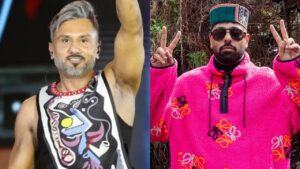
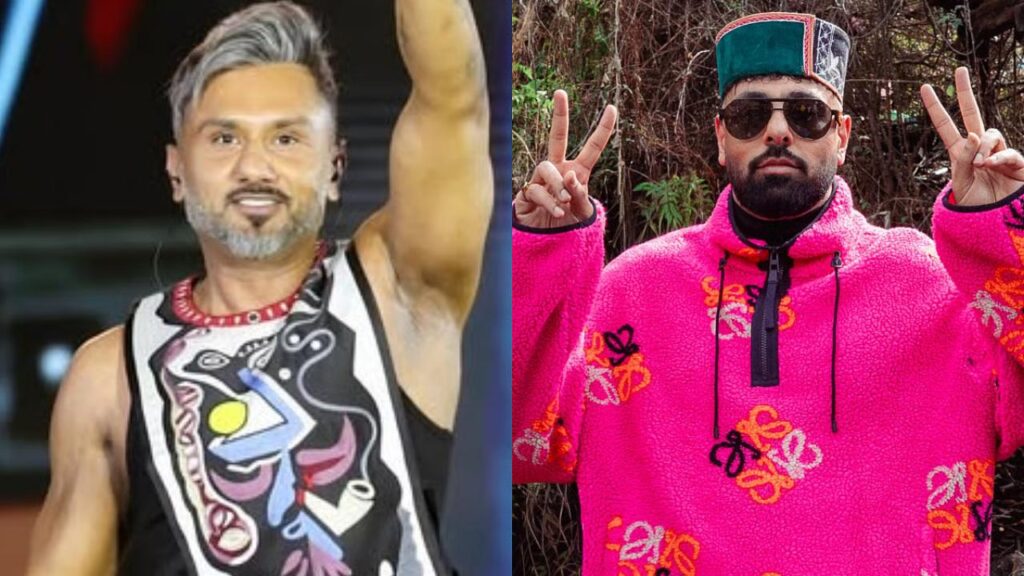
The duo, known for their influential contributions to the desi hip-hop scene, faces legal trouble stemming from the lyrics of their collaborative track, “Volume 1.” A local court has recently ordered decisive action against the artists, specifically targeting what has been deemed vulgar and obscene content within the song. This development is not new ground for Indian courts, which have periodically intervened in matters concerning artistic expression when it allegedly crosses the line into indecency or promoting harmful messages. The complaint, which originated from a concerned citizen, highlighted specific phrases and themes within the song that were deemed offensive and inappropriate for public consumption, particularly considering the wide reach and young listenership of these artists.
For many, the music of Yo Yo Honey Singh and Badshah represents a blend of catchy beats and relatable urban narratives. However, critics and some legal experts argue that the artistic license does not extend to normalizing or glorifying content that might be considered detrimental to societal values. The court’s directive serves as a potent reminder that the content produced by artists is subject to legal frameworks designed to maintain public order and morality. While the specifics of the court’s ordered action remain under review, it sends a clear signal to the music industry about the potential repercussions of lyrics perceived as vulgar. This ongoing legal challenge prompts a wider debate: where does artistic expression end, and public responsibility begin?
Adding to the industry’s turbulent week, Yo Yo Honey Singh also faced a significant wave of public dissatisfaction following the eleventh-hour postponement of his much-anticipated, sold-out concert in Pune. The announcement, made just hours before the scheduled event, left thousands of fans, who had travelled from various parts of the city and beyond, deeply frustrated and out of pocket. Many attendees had invested not only in tickets but also in travel, accommodation, and childcare arrangements, all disrupted by the unexpected cancellation. Social media platforms quickly became a forum for outrage, with fans expressing their disappointment, demanding refunds, and seeking clearer explanations from the artist and event organizers.
Local news reports from Pune highlighted the scene of confusion and anger outside the venue. Accounts from disappointed concertgoers painted a picture of shattered expectations and logistical nightmares. One local student, who had purchased tickets for her entire friend group, recounted the difficulty of securing refunds for both tickets and pre-booked transport. The incident shines a spotlight on the critical importance of effective communication and robust contingency planning by event organizers. While unforeseen circumstances can undoubtedly arise, the manner in which such situations are handled significantly impacts an artist’s and promoter’s reputation. This event serves as a stark reminder of the trust placed by fans in event organizers and performers, a trust that can be severely damaged by poor management.
These two distinct incidents, while different in nature, collectively point towards an evolving landscape where both the content creators and the presenters of live entertainment are held to higher standards. For a 12th standard student trying to understand these complex situations, imagine it like this: Artists, much like public figures, have a huge platform. What they say in their songs (lyrics) can influence many people. If a court decides those lyrics are harmful or against public decency rules, it can order action, just like how schools have rules about what is acceptable language. Similarly, when you buy a ticket for a movie or a concert, you expect to see it. If the show is suddenly cancelled without good reason or proper communication, it’s frustrating and feels unfair, especially after you’ve spent your hard-earned money and time. These situations show that even popular artists are answerable to both the law and their audience.
Key Takeaways:
* Judicial Scrutiny on Lyrics: The court order against Yo Yo Honey Singh and Badshah for “Volume 1” signals continued legal oversight on musical content, especially regarding alleged vulgarity. This highlights the ongoing tension between artistic freedom and perceived societal standards.
* Accountability in Live Events: Honey Singh’s Pune concert postponement underscores the critical need for transparent communication and efficient management from artists and event organizers to prevent fan frustration and uphold consumer trust.
* Fan Empowerment and Backlash: Modern audiences, equipped with social media, are increasingly vocal in demanding accountability, whether it’s for lyrical content or concert logistics. This pushes artists and the industry to be more responsive.
* Industry Reflection: These incidents compel the music industry to re-evaluate its content creation guidelines and event execution strategies to align with legal mandates and public expectations.
In conclusion, the current challenges faced by Yo Yo Honey Singh and Badshah are significant markers for the broader Indian music industry. They highlight the delicate balance artists must strike between creative expression, legal compliance, and public perception. As the industry continues to evolve, the demand for responsible content and reliable event management will undoubtedly grow, shaping the future interactions between artists, their fans, and the legal system. Omni 360 News will continue to follow these developments, providing comprehensive insights into their ongoing impact.