Iftar on river, chicken biryani feast, 14 arrests
Viral Ganges Meal Video Context and Clarity Key Takeaways
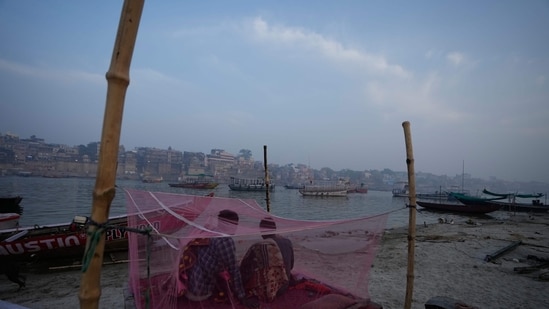
A recent video clip, widely circulated across digital platforms, depicted a group of men enjoying a meal aboard a boat on the sacred Ganges River. The footage quickly ignited a flurry of public discussion and concern, largely centered on environmental responsibility and the sanctity of the revered waterway. However, as Omni 360 News diligently examined the discourse and the visual evidence, it became clear that a crucial detail was often overlooked in the rush to judgment.
The short video undeniably showed individuals partaking in food, seemingly a simple, shared repast, against the backdrop of the iconic river. The sight itself, while perhaps unusual to some, stirred worries among those passionate about the Ganges’ ecological health and its profound cultural significance. Many viewers immediately inferred, without explicit visual confirmation, that the bones and other meal remnants were subsequently discarded into the river’s waters. This assumption, fueled by broader environmental concerns surrounding river pollution, quickly became the narrative surrounding the video.
The Ganges River, often referred to as Ganga Ma or Mother Ganga, holds an unparalleled position in Indian culture and spirituality. Millions depend on its waters for daily life, agriculture, and religious practices. Efforts to clean and preserve the river, such as the Namami Gange programme, are ongoing and widely supported by local communities, environmental activists, and governmental bodies alike. Therefore, any perceived act of disrespect or pollution can understandably provoke a strong public reaction. Local news outlets frequently highlight community-led cleanliness drives, the challenges faced by sanitation workers, and the impact of human activities on the river’s fragile ecosystem. These narratives underscore a collective vigilance regarding the river’s well-being.
Yet, a careful and objective review of the viral video footage reveals a significant gap in the widely assumed narrative. The video, while showing the act of eating, *does not* actually capture the men discarding any bones, leftover food, or waste materials directly into the Ganges. This absence of conclusive visual evidence is a pivotal point often missed in the rapid cycle of online sharing and commentary. The footage simply cuts away, leaving the subsequent actions of the men entirely to the viewer’s imagination and interpretation.
This incident serves as a poignant reminder of how quickly misinformation or partial truths can spread in the digital age. Social media, while a powerful tool for information dissemination, also presents challenges when context is stripped away or assumptions are made without complete evidence. In many local communities along the Ganges, there’s a deep-seated respect for the river, and while individual acts of negligence can occur, general practices often lean towards responsible waste disposal, even in challenging environments like a boat. Local reports often detail efforts by boatmen and pilgrims to carry their waste back to shore for proper disposal, reflecting a growing awareness and adherence to environmental guidelines.
As seasoned observers of digital news cycles, we at Omni 360 News understand the instinct to react to compelling visuals, especially when they touch upon sensitive issues like environmental protection. However, responsible journalism, and indeed responsible digital citizenship, calls for a deeper look beyond the immediate impression. It necessitates questioning the completeness of the narrative presented and seeking clarification where details are ambiguous.
Key Takeaways:
* The viral video showed men eating a meal on a boat in the Ganges.
* The video *did not* visually confirm the discarding of bones or leftovers into the river.
* Public concern stemmed from the Ganges’ sacred status and environmental importance.
* Misinterpretation can easily occur when video footage is incomplete or lacks context.
* Digital vigilance and critical viewing are essential to combat the spread of unverified information.
* This incident highlights the ongoing public interest in the preservation of the Ganges River.
In an era where snippets of reality can quickly become the basis for widespread debate, the clarity and context provided by thorough examination are more valuable than ever. The commitment to a clean Ganges remains a collective responsibility, but so too is the commitment to accurate reporting and discerning consumption of information. This episode on the Ganges serves as a miniature case study, urging all of us to pause, observe carefully, and avoid drawing conclusions from incomplete visual evidence. The river, much like public discourse, deserves that level of thoughtful consideration.