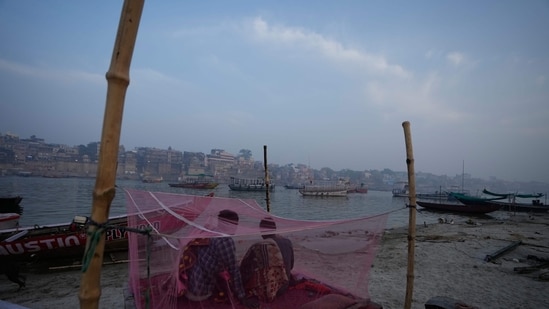
Iftar on river, chicken biryani feast, 14 arrests
Ganges Viral Video A Closer Look at River Practices and Environmental Narratives Key takeaways
A recent viral video depicting men enjoying a meal aboard a boat on the sacred Ganges River has sparked considerable discussion across social media platforms. The brief clip, widely circulated, shows individuals consuming food, yet it notably does not capture them discarding any bones or leftovers into the waterway. This distinction is crucial for understanding the full picture, especially when environmental stewardship of such a culturally significant river is at stake. Omni 360 News delves into the nuances of this online discourse and the broader context of river protection efforts.
The Ganges, known locally as Ganga Maa or Mother Ganga, holds immense spiritual importance for millions. It is not merely a river; it is considered a living goddess, central to religious rituals, daily life, and the economic fabric of countless communities along its banks. However, the river also faces substantial environmental challenges. From urban sewage and industrial effluents to agricultural runoff and the impact of human activities, maintaining the Ganges’ health is a monumental task. Local communities and various government initiatives, such as the Namami Gange Programme, are actively engaged in cleaning and preserving the river. These efforts involve public awareness campaigns, development of wastewater treatment infrastructure, and community participation in घाट (riverbank) cleaning drives.
When a video like this goes viral, it often triggers immediate public judgment, especially concerning potential pollution. The visual of people eating on the river naturally raises questions about waste disposal. However, a critical observation of the video reveals only the act of consumption. There is no visual evidence within the shared footage that directly links the individuals to discarding waste into the river. This highlights a common pitfall in interpreting viral content: the tendency to fill in gaps with assumptions rather than relying solely on observable facts.
Local perspectives frequently underscore a deep reverence for the Ganges. While individual acts of indiscretion can occur, many boat operators and local residents are keenly aware of the need to keep the river clean, not just for environmental reasons but out of religious devotion and for their livelihoods. Initiatives by local groups often focus on proper waste management, encouraging visitors and residents alike to use designated bins and avoid littering. These grassroots movements, though not always grabbing national headlines, play a vital role in fostering a sense of collective responsibility for the river’s well-being.
The incident serves as a reminder of the power and pitfalls of social media in shaping public perception. A few seconds of footage can quickly lead to widespread conclusions, sometimes without complete information. For observers, it emphasizes the importance of media literacy – the ability to critically evaluate content, question assumptions, and seek out broader context before forming opinions or sharing judgments.
Key Takeaways:
* Incomplete Narratives: Viral videos often present partial information, and it is essential to distinguish between what is explicitly shown and what is merely implied or assumed.
* Ganges’ Significance: The Ganges River holds profound cultural and environmental importance, facing complex pollution challenges despite ongoing preservation efforts.
* Local Stewardship: Many local communities and boat operators are actively involved in efforts to maintain the cleanliness of the river, driven by both reverence and practical necessity.
* Media Literacy: Viewers are encouraged to critically assess viral content and avoid drawing conclusions based on incomplete visual evidence, especially when environmental matters are concerned.
* Ongoing Efforts: The commitment to the Ganges’ health is a continuous journey, involving governmental programs and sustained community action to protect this vital waterway.
As digital journalists at Omni 360 News, it is our responsibility to present facts with clarity and provide context that allows for a more nuanced understanding of events, especially when public perception is influenced by fragmented online content. The preservation of the Ganges is a shared responsibility, demanding informed perspectives and collaborative action from all.