In UP's Kintur village, Eid was not observed this year. Reason: An ancestral link to war-hit Iran| India News
Iran Grapples With Profound Grief After Supreme Leader’s Death in Airstrikes
The news arrived like a thunderclap across the vast Iranian landscape. From the bustling grand bazaars of Tehran to the quiet, sun-baked alleys of villages far from the capital, a collective gasp turned into a national lament. The heart of this sorrow beats for a reason stretching far beyond any single community, rooted in events high above Iranian soil: the confirmed death of Ayatollah Ali Khamenei, Iran’s Supreme Leader, in a series of airstrikes attributed to the United States and Israel. This seismic event has left an immediate, deep emotional impact reverberating throughout the nation.
For decades, Ayatollah Khamenei stood as the undisputed spiritual and political guide for Iran. His image, often stern yet paternal, was a constant presence in homes, public squares, and official buildings. He represented not just a leader, but the very embodiment of the Islamic Republic’s revolutionary ideals and its resistance against perceived foreign interference. His passing, under such dramatic and violent circumstances, transcends mere political succession; it strikes at the core of national identity and deeply held religious convictions.
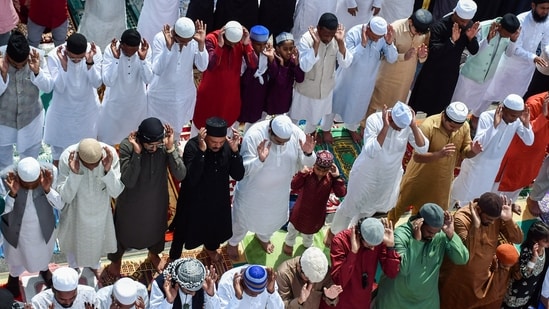
Local reports from various provinces paint a vivid picture of the immediate aftermath. In Mashhad, the holy city, pilgrims gathered at the Imam Reza shrine, their usual chants of prayer now interspersed with cries of anguish and grief. Eyewitness accounts shared through community channels describe shops closing their doors in spontaneous mourning, while impromptu processions formed, with people beating their chests in traditional acts of sorrow. In Tabriz, a city known for its vibrant commerce, the streets fell silent as news spread, replaced by hushed conversations and the palpable weight of shock. Families huddled around radios and televisions, seeking confirmation and comfort in shared grief. Young and old, men and women, seemed united in a profound sense of loss, a feeling that a foundational pillar of their nation had been violently removed.
The emotional fallout is multifaceted. Beyond the raw grief, there is a burgeoning sense of indignation and calls for justice. While official statements condemn the strikes, the sentiments on the ground, as gathered from local community discussions and regional press, reflect a powerful surge of national unity in the face of what is universally seen as an act of external aggression. This tragedy, rather than fracturing the nation, appears to have galvanized a collective resolve, deepening the nation’s sense of shared destiny and its long-standing posture of resistance. Mosques have become centers not just for mourning prayers, but also for defiant sermons, reminding congregations of Iran’s resilience throughout its history.
The death of a figure of Khamenei’s stature, particularly in this manner, sends tremors far beyond Iran’s borders. For regional allies and proxies, his loss represents a significant strategic blow and an emotional void. For adversaries, it introduces a period of profound uncertainty and potential instability in an already volatile Middle East. The delicate balance of power, shaped over decades by his leadership, now faces an unprecedented recalibration. As Omni 360 News continues to monitor global reactions, the immediate focus remains on how this deeply personal tragedy for millions of Iranians will translate into geopolitical shifts.
The nation now enters a challenging period of transition. The selection of a successor, a process steeped in religious and political intricacies, will be paramount. However, before the nation fully navigates its political future, it must first process this immense grief and the anger born from an act of war that struck at the very pinnacle of its leadership. The shadow of this event will undoubtedly shape Iran’s trajectory for years to come, profoundly impacting its people, its policies, and its relationship with the world.
Key Takeaways
- The death of Ayatollah Ali Khamenei in US and Israel airstrikes has ignited widespread, profound grief across Iran.
- Local communities, from major cities to remote villages, are expressing sorrow through mourning rituals, closures, and collective solidarity.
- Beyond grief, there is a strong undercurrent of national indignation and unity against perceived external aggression.
- The event is expected to have significant ripple effects on regional stability and international relations, ushering in a period of uncertainty.
- Iran now faces the critical task of succession and navigating its future while grappling with this deep emotional and political wound.