Modi govt opens up on gas crisis, condemns attack on energy
India’s LPG Supply Navigating Global Shocks
The familiar blue, red, or silver cylinders of cooking gas, known as LPG, are a household staple across India. Recently, a wave of apprehension swept through many communities regarding their availability. Reports of unusual booking spikes and fears of shortages created a tense atmosphere. However, the central government has stepped forward, asserting that the initial “panic booking” trend is now subsiding, with a significant shift towards online reservations. While domestic fears are being addressed, the government openly acknowledges that global events are indeed putting pressure on LPG supplies.
This situation highlights a complex interplay of local demand, efficient distribution, and the volatile currents of international geopolitics. For the average Indian family, the price and availability of LPG directly impact their daily lives, making this a topic of paramount importance.
Stabilizing the Home Front A Look at Domestic Measures
The Ministry of Petroleum and Natural Gas recently clarified the situation, dispelling widespread rumors of a severe cooking gas deficit. Officials stated that there was no large-scale shortage of domestic LPG cylinders. Instead, the temporary pressure on supplies was largely a consequence of sudden booking surges fueled by unfounded rumors and unnecessary anxiety. Imagine everyone suddenly deciding to buy extra food when there’s no real scarcity; that’s similar to what happened with LPG bookings.
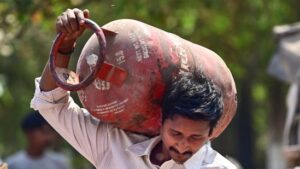
To counter this, the government initiated a robust response. LPG production across the nation was ramped up significantly, increasing by almost 28 percent in recent days. This push ensures a steady flow, with approximately 50 lakh (5 million) LPG cylinders being supplied daily to households. This is a considerable logistical effort, aiming to meet the regular demand and normalize the booking cycle.
A notable positive development in this period has been the increasing adoption of digital platforms for booking. The government proudly reports that nearly 94 percent of all LPG bookings are now being done online. This shift not only streamlines the process but also helps in better demand forecasting and supply management, reducing the need for physical queues and paperwork.
Beyond production boosts, state governments have been directed to take strict action against any instances of hoarding or black marketing. Such practices only exacerbate public anxiety and distort the genuine supply chain. The message to the public is clear and simple: avoid unnecessary panic and book gas cylinders through the normal, established channels. This coordinated approach aims to stabilize the domestic market and reassure citizens.
Global Tremors and India’s Energy Lifeline
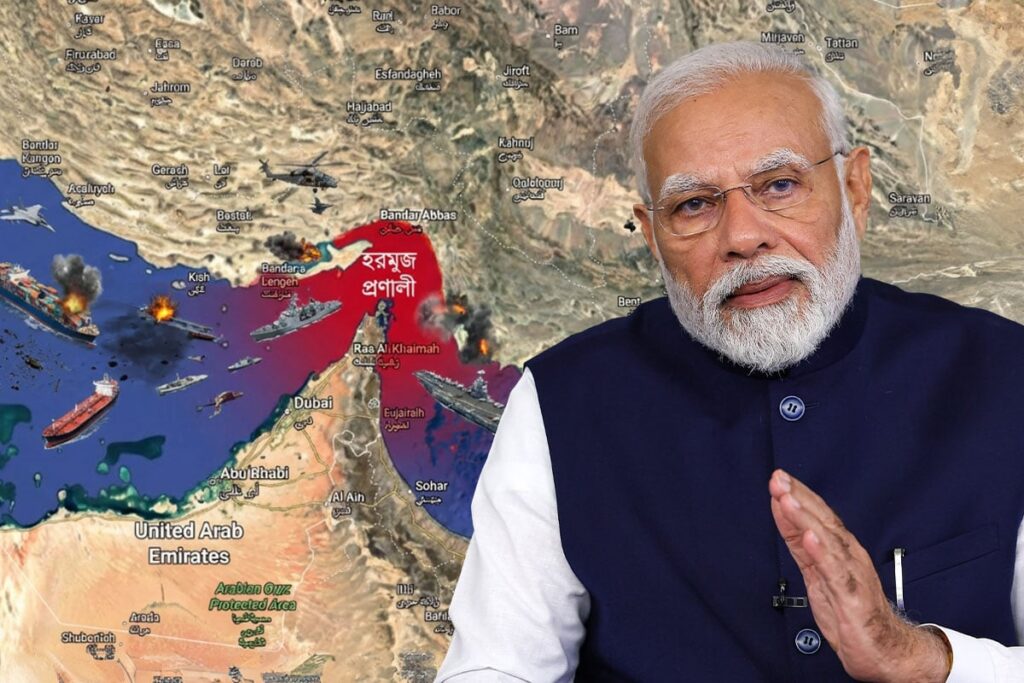
While domestic efforts are crucial, India’s energy security is inextricably linked to global stability. Foreign Ministry spokesperson Randhir Jaiswal recently articulated the government’s primary focus: safeguarding the nation’s energy security. He candidly admitted that India’s fuel supplies are already feeling the strain from ongoing instability in critical regions, particularly concerning the Strait of Hormuz.
For those unfamiliar, the Strait of Hormuz is a narrow stretch of water between Iran and Oman, a crucial choke point through which a significant portion of the world’s oil and natural gas shipments pass. Any disruption or heightened tension in this region has immediate and far-reaching consequences for global energy markets, including India, which imports a large percentage of its energy needs. It’s like a major highway bottleneck that affects everyone trying to get goods to market.
Adding to these pre-existing concerns are recent aggressive actions against energy infrastructure. While not naming specific nations directly, Jaiswal condemned such attacks, stating that targeting energy facilities is unacceptable as it destabilizes not just the affected region but the entire global energy landscape. This statement came amidst reports of Israel attacking Iran’s largest gas extraction center in South Pars, followed by Iran’s alleged retaliation with missile strikes on Qatar’s Ras Laffan industrial complex, a major natural gas hub. These escalating actions directly contribute to a growing global energy crisis, impacting availability and prices worldwide. Such events threaten India’s Liquid Natural Gas (LNG) imports, which are vital for various sectors, including power generation and industrial use, thereby also indirectly impacting LPG production.
India’s Strategic Pivot Securing Future Supplies
Faced with these international headwinds, India is not standing still. The government is actively pursuing a strategy of diversification for its energy imports. This involves exploring and securing alternative supply routes and sources from various countries, including the United States. This approach aims to reduce reliance on any single, potentially volatile, region or supplier.
A significant declaration from the Foreign Ministry is India’s readiness to purchase LPG from Russia if the need arises. This highlights a pragmatic and strategic shift, underscoring India’s commitment to prioritizing its domestic energy needs above all else. By casting a wider net, India seeks to build resilience into its energy supply chain, ensuring that even if one source faces disruption, others can compensate. This forward-thinking strategy is essential for a rapidly developing nation with a vast and growing population, ensuring that the wheels of its economy continue to turn and its citizens have access to essential utilities like cooking gas.
Omni 360 News Perspective A Balanced Outlook
As we at Omni 360 News observe, the current LPG situation in India presents a valuable case study in how interconnected our world truly is. Domestic policy decisions, logistical efficiencies, and citizen behavior all play a role, but these are constantly influenced by events unfolding thousands of miles away. The government’s push for increased production and digital booking reflects a proactive approach to managing the internal demand, aiming for efficiency and transparency.
However, the frank admission of international pressures and the strategic moves to diversify import sources from countries like the US and potentially Russia, underscore the complex geopolitical tightrope India must walk. India’s diplomatic stance, condemning attacks on vital energy infrastructure without assigning blame, reinforces its call for global stability—a stability that directly contributes to ensuring the lights stay on and the cooking fires burn in homes across the subcontinent.
For the public, staying informed through reliable sources like Omni 360 News and avoiding the spread of unsubstantiated rumors is paramount. The shift towards digital bookings is a positive step towards a more organized and resilient supply system. Ultimately, the stability of our kitchens is a reflection of both robust domestic management and a careful navigation of the turbulent global stage.
Key Takeaways
* The Indian government reports a decrease in “panic booking” for LPG, with most reservations now online.
* No major LPG shortage exists; temporary pressure was due to rumors and sudden booking spikes.
* LPG production has increased by 28 percent, supplying 50 lakh cylinders daily, and digital bookings exceed 94 percent.
* International instability, especially in the Strait of Hormuz, is acknowledged as impacting India’s fuel security.
* India plans to diversify LPG imports from countries like the US and is prepared to buy from Russia if needed.
* The government condemns attacks on energy infrastructure globally, highlighting their impact on worldwide stability.