India diversifying imports, PM Modi hails energy security in parliament address| India News
India’s Global Trade Map New Routes to Economic Stability Amidst West Asia Tensions
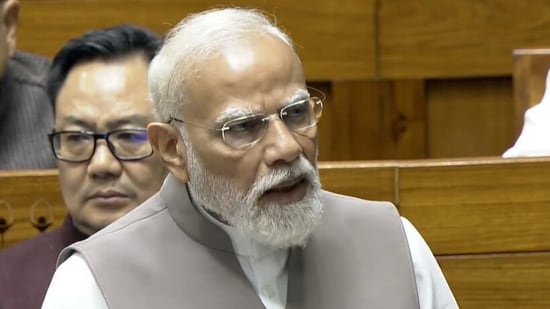
New Delhi – In a recent address to Parliament, Prime Minister Narendra Modi shed light on India’s evolving trade strategy, emphasizing a significant shift in its import landscape. The Prime Minister highlighted that India now sources goods from 41 diverse nations, a clear indication of its efforts to build resilience and insulate its economy from geopolitical volatilities, particularly those emanating from the West Asia region. This strategic diversification, a key pillar of India’s economic diplomacy, reflects a proactive approach to securing vital supplies and maintaining steady growth. Omni 360 News examines the deeper implications of this pivotal policy.
For decades, India’s economic stability has been closely intertwined with the events unfolding in West Asia. The region, a primary supplier of crude oil and natural gas, has often been a barometer for India’s energy security and inflationary pressures. Any conflict or instability there sends ripples across global markets, invariably impacting India’s import bill and economic projections. Historically, a significant portion of India’s energy needs, crucial for powering its industries and transportation, originated from countries like Saudi Arabia, Iraq, and Iran. This concentration of sources, while convenient, also presented a vulnerability. Disruptions in supply routes or sudden price spikes due to regional tensions could have severe repercussions for the Indian economy, affecting everything from fuel prices to manufacturing costs and everyday consumer goods.
However, the past few years have witnessed a deliberate and sustained effort by India to redraw its trade map. This is not merely an opportunistic move but a calculated long-term strategy aimed at enhancing national economic sovereignty. The goal is clear: to reduce over-reliance on any single region or set of suppliers, thereby safeguarding the nation against external shocks.
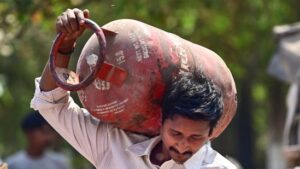
One of the most visible aspects of this diversification has been in the energy sector. While West Asia remains an important partner, India has actively sought and secured new sources of crude oil and liquefied natural gas (LNG). Reports from various economic dailies and trade analysts have chronicled India’s increasing imports from non-traditional suppliers. For instance, following global geopolitical shifts, India significantly ramped up its crude oil purchases from Russia, taking advantage of competitive prices. This move, while driven by economic considerations, has also contributed to broadening India’s energy basket. Furthermore, India has deepened its energy ties with countries in North America, particularly the United States, becoming a notable buyer of American crude oil and natural gas. Similarly, African nations like Nigeria and Angola, and Latin American countries such as Brazil and Colombia, have emerged as important, albeit smaller, contributors to India’s diverse oil import portfolio. This geographical spread ensures that disruptions in one part of the world do not cripple India’s energy supply.
Beyond energy, the diversification drive extends to other critical commodities and manufactured goods. India’s growing economy requires a steady supply of raw materials, minerals, and advanced components. To this end, the government has actively pursued new trade agreements and strengthened existing ones with a wider array of global partners. Reports often highlight India’s efforts to secure critical minerals like lithium from countries such as Australia and Argentina, essential for the burgeoning electric vehicle and electronics industries. Trade missions and bilateral discussions with nations across Southeast Asia, Europe, and the Indo-Pacific region underscore a comprehensive approach to securing supply chains. The emphasis is on building robust and redundant networks, so that if one source faces an issue, alternatives are readily available.
This strategy is about more than just economics; it is also about strategic autonomy. By broadening its import base, India gains greater leverage in international negotiations and reduces its vulnerability to geopolitical pressures from any single region or bloc. It allows India to pursue an independent foreign policy, less constrained by the need to maintain unquestioning adherence to specific trade partners. This calculated move bolsters India’s position as a major player on the global stage, capable of navigating complex international relations with greater flexibility.
The benefits of this diversification are manifold. Firstly, it enhances India’s supply security, making the nation less susceptible to sudden cut-offs or embargoes. Secondly, it contributes to price stability. By having multiple suppliers, India can often negotiate better terms and avoid being held hostage by price manipulations from dominant players. Thirdly, it fosters greater economic resilience. A diversified import portfolio acts as a shock absorber, cushioning the economy against unforeseen global events or regional conflicts. Finally, it promotes healthier trade relationships across the globe, opening new avenues for Indian exports and fostering deeper diplomatic ties.
While India’s journey towards a truly diversified import strategy is ongoing, the progress highlighted by Prime Minister Modi is significant. It demonstrates a clear understanding of global economic realities and a pragmatic approach to securing India’s future. The shift from relying heavily on a few nations to engaging with 41 different countries represents a fundamental re-orientation of India’s trade policy, paving the way for greater economic stability and strategic independence in an increasingly unpredictable world.
Key Takeaways:
* Strategic Diversification: India has consciously broadened its import sources from a few traditional partners to 41 nations, enhancing economic resilience.
* Reduced West Asia Vulnerability: The move lessens India’s dependence on the volatile West Asia region for crucial imports, particularly energy.
* Energy Security Boost: New partnerships with countries like Russia, the US, and African and Latin American nations have strengthened India’s energy supply chain.
* Beyond Energy: Diversification extends to critical minerals and other goods, secured through new trade agreements and diplomatic outreach.
* Economic and Strategic Benefits: This strategy fosters price stability, ensures supply security, builds economic resilience, and supports India’s independent foreign policy.