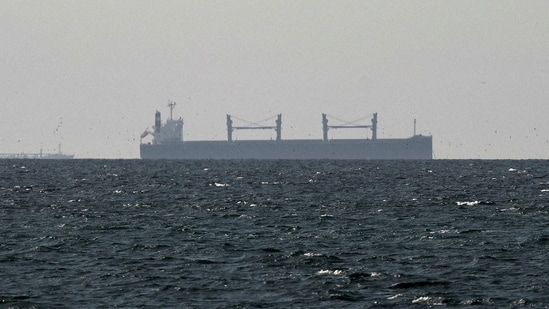
India-flagged Green Sanvi vessel with 46,650 metric tonnes of LPG safely transits Strait of Hormuz| India News
Navigating Open Waters: MT Jag Vasant Prepares for Vital Ship-to-Ship Cargo Transfer
In the bustling world of maritime commerce, an intricate operation is on the horizon as the vessel MT Jag Vasant prepares for a critical Ship-to-Ship (STS) cargo transfer. This maneuver, set to unfold at anchorage, underscores the sophisticated logistics and stringent safety protocols that define modern global trade, especially within India’s dynamic shipping lanes. For observers of the Indian maritime scene, such operations are a testament to the nation’s growing capabilities and the essential role its fleet plays in global supply chains.
**Unpacking Ship-to-Ship Transfers: A Logistics Masterclass**
To understand the significance of MT Jag Vasant’s upcoming operation, it is helpful to grasp what an STS transfer entails. Simply put, an STS transfer is the movement of cargo – typically liquid bulk like crude oil, petroleum products, or liquefied natural gas (LNG) – between two vessels positioned alongside each other while at sea, often in a designated anchorage area or open waters.
Why undertake such a complex procedure instead of docking at a port? Several reasons drive these operations:
* Draft Limitations: Larger tankers, often termed ‘Very Large Crude Carriers’ (VLCCs) or ‘Suezmax’ vessels, might be too deep (have too much draft) to enter certain ports or navigate shallower waterways. An STS transfer allows a portion of their cargo to be offloaded to smaller ‘feeder’ vessels, which can then access the port.
* Optimizing Logistics: It offers flexibility in supply chains, allowing for faster distribution, blending of different cargo types, or rerouting shipments without needing port infrastructure.
* Economic Efficiency: Sometimes, it is more cost-effective to conduct an STS operation than to incur port charges or face delays at congested terminals.
For the MT Jag Vasant, this operation means its valuable cargo will be carefully transferred to another vessel, ensuring continuity in the supply chain and efficient delivery to its final destination. Such transfers are a routine yet highly regulated part of the global maritime transport ecosystem.
**The Indian Maritime Context: Precision and Preparedness**
India, with its extensive coastline and burgeoning energy demands, relies heavily on safe and efficient maritime operations. The Great Eastern Shipping Co. Ltd., a prominent Indian shipping company, operates vessels like the MT Jag Vasant, which contribute significantly to the nation’s energy security and trade. Reports on the safe transit of other Indian-flagged vessels, such as the Green Sanvi carrying LPG through critical waterways like the Strait of Hormuz, highlight the high standards of professionalism and safety maintained by Indian crews and companies. This reflects a broader commitment to secure maritime practices that extends to delicate STS operations.
Local port authorities, such as the Mumbai Port Trust or Kandla Port Authority (depending on the specific anchorage location), along with the Indian Coast Guard and Directorate General of Shipping, play crucial roles in regulating and overseeing such activities. They ensure compliance with international maritime laws (like those from the IMO, or International Maritime Organization) and national safety guidelines, covering everything from weather monitoring to equipment certification and crew training.
**Safety First: Mitigating Risks in Open Waters**
An STS transfer is not without its challenges. It requires meticulous planning and execution to prevent accidents, spills, or environmental damage. Key safety measures include:
1. Weather Monitoring: Operations are only conducted in calm seas and favorable weather conditions to prevent vessels from colliding or hoses from snapping.
2. Specialized Equipment: High-grade fendering systems (large inflatable or foam-filled bumpers) protect the ships’ hulls, while specialized hoses and pumping equipment ensure a leak-free transfer.
3. Expert Crews: Highly trained mooring masters, STS Superintendents, and experienced crews oversee the entire process, ensuring strict adherence to protocols.
4. Environmental Safeguards: Contingency plans for spill response, including boom deployment and containment strategies, are always on standby. Indian regulations, enforced by local maritime bodies, are particularly stringent on environmental protection.
These precautions underscore the gravity of the task. A successful STS operation, like the one planned for MT Jag Vasant, is a quiet ballet of precision, technology, and human expertise, ensuring vital commodities reach their markets safely and efficiently.
**Omni 360 News Perspective: A Glimpse into Global Trade’s Heartbeat**
For Omni 360 News, monitoring these logistical feats provides invaluable insight into the intricate workings of global commerce. Such operations, though often out of public sight, are the heartbeat of trade, directly influencing energy prices, supply chain stability, and economic growth. The diligent execution of an STS transfer by the MT Jag Vasant showcases the resilience and adaptability of the maritime industry in meeting the world’s demands.
**Key Takeaways**
* MT Jag Vasant is undertaking a Ship-to-Ship (STS) cargo transfer at anchorage, a common practice in maritime logistics.
* STS operations enable large vessels to offload cargo to smaller ships, overcoming port draft limitations and enhancing logistical flexibility.
* Safety, environmental protection, and strict adherence to international and national regulations (monitored by Indian maritime authorities) are paramount during these transfers.
* Such complex maneuvers highlight India’s growing role and expertise in global maritime trade, contributing significantly to its energy security and economic infrastructure.