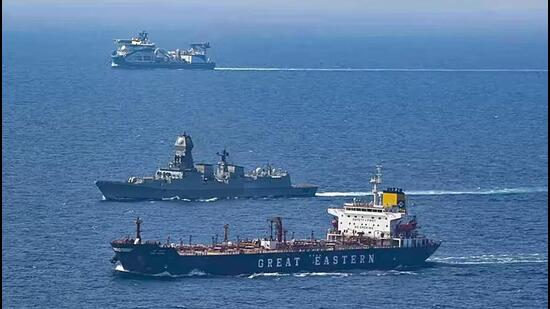
India in touch with Iran for safe passage of vessels through Strait of Hormuz| India News
India Prioritizes Maritime Security Engaging Iran on Strait of Hormuz Passage
The tranquil waters of the Arabian Gulf belie a volatile undercurrent, a complex geopolitical dance that directly impacts global trade and energy security. At the heart of this intricate web lies the Strait of Hormuz, a narrow maritime chokepoint through which a significant portion of the world’s oil and a vast array of goods transit daily. Amid escalating regional tensions and recent disruptions to shipping, India has proactively engaged Iran in crucial diplomatic talks, seeking assurances for the safe passage of its vessels and the protection of its vital economic interests. This initiative, reported by Omni 360 News, underscores India’s commitment to safeguarding its maritime lifelines.
For a clearer understanding, imagine the Strait of Hormuz as a crucial highway connecting a vast trading network. If this highway becomes unsafe, it affects everyone relying on it, leading to higher costs, delays, and uncertainty. This is precisely the concern prompting New Delhi’s recent diplomatic push.
The region has witnessed a concerning uptick in maritime incidents. The seizure of the *MSC Aries*, a container vessel with Indian crew members, by Iranian forces near the Strait of Hormuz in April 2024 brought these vulnerabilities into sharp focus. This incident, occurring against a backdrop of wider instability in the Middle East, including the ongoing Red Sea crisis and spillover effects from other regional conflicts, amplified the need for direct and decisive diplomatic intervention. While not directly related to the Red Sea’s Houthi attacks, the *MSC Aries* incident highlighted the broader risks of navigating an increasingly militarized and tense maritime zone.
India’s stake in the Strait of Hormuz is profound. Over 60 percent of India’s crude oil imports, a non-negotiable requirement for its burgeoning economy, navigate this narrow passage. Beyond energy, the Strait is a conduit for substantial bilateral trade with Gulf nations and a key component of India’s broader global supply chains. Furthermore, the safety and well-being of thousands of Indian seafarers, who play a pivotal role in manning global merchant fleets, are directly linked to secure maritime operations in these waters. Disruptions translate into immediate economic impacts through increased shipping costs, insurance premiums, and potential delays in critical supplies.
In response to these challenges, India’s External Affairs Minister and other senior officials have engaged their Iranian counterparts, including direct communication with Iran’s Foreign Minister. These high-level discussions aim to foster mutual understanding and secure explicit assurances for the unimpeded movement of Indian-flagged or Indian-linked commercial vessels through the Strait. The dialogue emphasizes de-escalation, adherence to international maritime law, and the protection of global commons. India’s approach is rooted in its long-standing, independent foreign policy, allowing it to maintain channels of communication with all parties in a complex region.
Beyond diplomacy, India has also augmented its naval presence in the Arabian Sea under ‘Operation Sankalp,’ initiated in 2019 to ensure the safety of Indian-flagged vessels. This naval deployment, while primarily focused on anti-piracy and broader maritime security, serves as a visible demonstration of India’s commitment to protecting its interests and citizens in the region. These naval patrols complement the diplomatic efforts, providing a layer of deterrence and reassurance.
Key Takeaways:
* Strategic Importance: The Strait of Hormuz is indispensable for India’s energy security and global trade.
* Direct Engagement: India’s direct diplomatic talks with Iran highlight its pragmatic approach to complex geopolitical challenges.
* Crew Safety: The welfare of Indian seafarers remains a top priority, driving consular and diplomatic efforts.
* Regional Stability: India advocates for de-escalation and adherence to international maritime norms to ensure peace in the vital corridor.
* Proactive Measures: Diplomacy is bolstered by a sustained naval presence, ensuring layered security for Indian interests.
As the situation remains fluid, India’s measured yet firm diplomatic engagement with Iran reflects a critical effort to navigate regional complexities. The goal is to safeguard its economic lifelines and ensure the unimpeded flow of global trade through one of the world’s most strategically important waterways, underscoring a commitment to stability in a turbulent world.