
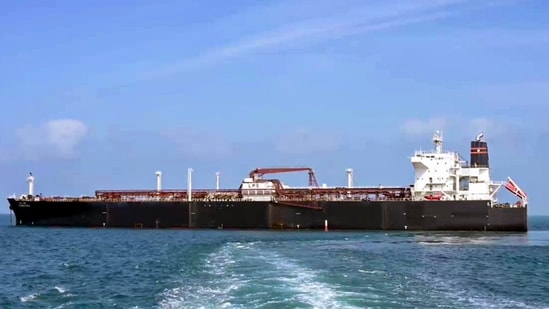
India says no discussion on exchange of vessels with Iran for Strait of Hormuz passage| India News
India Rejects Vessel Exchange Reports with Iran for Strait of Hormuz Passage
New Delhi has firmly dismissed recent reports suggesting discussions with Iran regarding an exchange of vessels to secure passage through the strategically vital Strait of Hormuz. Official sources within the Indian Ministry of External Affairs have labeled these claims as entirely baseless, emphasizing India’s consistent stance on international maritime laws and freedom of navigation. This clarity from India seeks to quell speculation amidst the complex geopolitical dynamics of the Gulf region. Omni 360 News brings you an in-depth look at this significant diplomatic clarification.
For anyone trying to understand global trade and international relations, the Strait of Hormuz is a name that often comes up. Imagine a very narrow waterway, like a crucial shortcut, connecting a big sea (the Persian Gulf) to the wider ocean. This particular shortcut is incredibly important because a huge portion of the world’s oil—about one-fifth of global consumption—travels through it every single day. Tankers, those giant ships carrying oil, must navigate this strait to deliver energy to countries across the globe, including India. Given its significance, anything that affects movement through the Strait of Hormuz quickly becomes a matter of international concern.
Recent reports, originating from various unverified sources, had hinted at a potential arrangement where India might exchange certain naval or commercial vessels with Iran. In return, the speculative reports suggested, Iran would ensure unhindered passage for Indian-flagged ships through the Strait of Hormuz. Such a proposition, if true, would represent a significant shift in India’s foreign policy approach to maritime security and its engagement with Iran.
However, a spokesperson for India’s Ministry of External Affairs unequivocally stated that “there have been no discussions on the exchange of vessels with Iran for the Strait of Hormuz passage. Reports to this effect are baseless and without any factual foundation.” This firm denial underscores India’s commitment to established international norms and its independent foreign policy. It suggests that India is not looking to strike special, transactional deals for rights that it believes are universally protected under international maritime law.
India’s relationship with Iran is multifaceted and historically significant. While global sanctions have, at times, impacted direct trade, particularly oil imports, India has maintained engagement with Iran, notably through the development of the Chabahar Port. This port is crucial for India as it provides an alternative trade route to Afghanistan and Central Asia, bypassing Pakistan. Therefore, maritime security in the region, and particularly the Strait of Hormuz, holds immense importance for India’s economic interests and strategic outreach.
From India’s perspective, the right of innocent passage and freedom of navigation are fundamental principles of international law. The nation consistently advocates for these principles in all maritime domains. Engaging in a bilateral ‘vessel exchange’ for passage would not only contradict this long-standing stance but could also be interpreted as legitimizing restrictions on free movement through international waters. Such a move would be unusual for a country like India, which champions a rules-based international order.
The emergence of such “baseless reports” often arises from the inherent tensions and intricate power plays within the Gulf region. With various global powers having significant interests in the area, and with fluctuating geopolitical equations, rumors and speculative stories can quickly gain traction, potentially sowing confusion or testing diplomatic waters. India, as a major global player and a significant energy consumer, finds itself carefully navigating these complexities.
India’s prompt and clear denial of these reports sends a strong message. It reaffirms New Delhi’s commitment to multilateralism and international maritime conventions. It also indicates that India prefers to rely on diplomatic efforts and adherence to international law rather than entering into specific, potentially complicated, bilateral arrangements for fundamental rights like freedom of navigation. For Omni 360 News, this clarification is vital for understanding the true nature of India’s foreign policy in a sensitive region.
Key Takeaways:
* India has categorically denied any discussions with Iran about exchanging vessels for guaranteed passage through the Strait of Hormuz.
* The Indian Ministry of External Affairs describes these reports as “baseless” and lacking factual support.
* The Strait of Hormuz is a globally critical waterway for oil transport, making its security a major international concern.
* India consistently upholds the principles of freedom of navigation and international maritime law.
* The denial underscores India’s commitment to a rules-based international order rather than transactional deals for fundamental rights.