
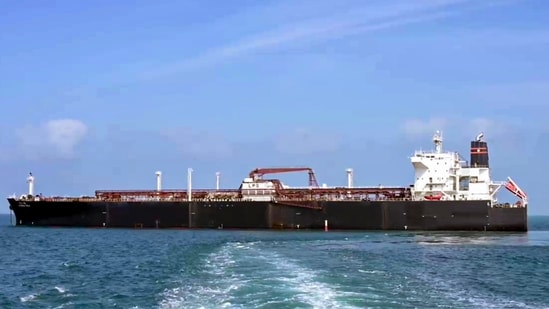
'Baseless': India on reports claiming Iranian vessels seized, exchange sought| India News
India’s Maritime Enforcement Action Iranian Tankers and Deceptive Shipping Practices Key Takeaways
In a significant development echoing across global shipping lanes, reports surfaced recently regarding India’s seizure of Iranian tankers. The core of the matter centers on allegations that these vessels deliberately manipulated their identities and engaged in illicit ship-to-ship transfers at sea. This action by India underscores the growing international vigilance against clandestine maritime activities. Omni 360 News offers a detailed examination of this unfolding situation.
Understanding the Allegations
The accusations laid against the Iranian tankers are two-fold. Firstly, “altering their identities” typically refers to practices like Automatic Identification System (AIS) spoofing or turning off transponders. AIS is a vital system that broadcasts a ship’s position, course, speed, and identification to other vessels and shore stations, essential for collision avoidance and maritime traffic management. When a vessel alters its identity, it might broadcast false information, use a different name or flag than registered, or simply go “dark” to evade detection. This practice makes it incredibly difficult to track the true origin or destination of cargo and the vessel’s compliance with international regulations.
Secondly, “illegal ship-to-ship transfers” involves moving cargo, most often crude oil, from one tanker to another while both ships are at sea. While not inherently unlawful, such transfers become illegal when conducted to bypass international sanctions, obscure the source of the oil, or avoid customs and inspection protocols. These ghost operations often take place in remote areas to minimize scrutiny, posing environmental risks and enabling illicit trade. For a 12th-standard student, imagine trying to hide who you are and where you got something from by changing your clothes and passing it to a friend in a dark alley, all to avoid rules or taxes.
India’s Stance and Motivations
India, a major player in global trade and a significant oil importer, has a vested interest in maintaining secure and transparent maritime commerce. This enforcement action, even against tankers from a traditional energy partner like Iran, signals India’s commitment to upholding international maritime law and combating deceptive shipping practices. It demonstrates that New Delhi is serious about ensuring accountability within its maritime jurisdiction, aligning with broader global efforts to clamp down on illicit oil trading that often fuels destabilizing activities or bypasses legitimate financial systems. India’s actions here could be seen as a strong message that it will not tolerate such circumvention of established norms, regardless of diplomatic complexities.
The Broader Context of Maritime Deception
Deceptive shipping practices are not new, but they have become increasingly sophisticated. Nations under sanctions, like Iran, have often resorted to these methods to continue oil exports. The maritime industry, in collaboration with intelligence agencies and technological advancements in satellite tracking, is constantly working to identify and counter these tactics. The Indian seizure highlights the effectiveness of enhanced surveillance and intelligence sharing in detecting these covert operations. It also serves as a reminder to shipping companies globally about the severe repercussions of engaging in or facilitating such illegal activities.
Key Takeaways
* India’s action against Iranian tankers underscores its commitment to enforcing maritime law.
* Identity manipulation and illegal ship-to-ship transfers are critical challenges to global maritime security.
* These practices enable sanction evasion and create a risky environment for legitimate trade.
* The incident reinforces the importance of advanced surveillance and intelligence in detecting illicit shipping.
* India’s move signals a broader international push for transparency and accountability in shipping.
Looking Ahead
This incident will likely prompt further scrutiny of vessels operating in the Indian Ocean region and beyond. It serves as a stark warning to those contemplating similar deceptive practices. For the global community, it reinforces the need for continued vigilance and cooperation to ensure the integrity of the high seas. As Omni 360 News continues to monitor maritime developments, the implications of India’s firm stance will undoubtedly ripple through diplomatic and commercial channels, shaping future engagements in the intricate world of international shipping.