India stays among top Strait of Hormuz users as 8 vessels transit amid Iran chokehold| India News
Sustained Indian Shipping Vital Passage Through Hormuz
The Strait of Hormuz, a critical maritime choke point connecting the Persian Gulf to the open sea, remains an indispensable conduit for global energy and trade. For Omni 360 News, monitoring vessel traffic through this strategic waterway offers key insights into international commerce and geopolitical stability. India, a nation heavily reliant on West Asian energy, consistently navigates these waters, underscoring its deep economic and strategic interests.
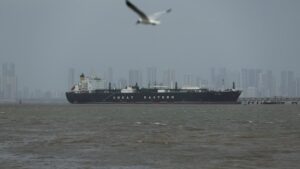
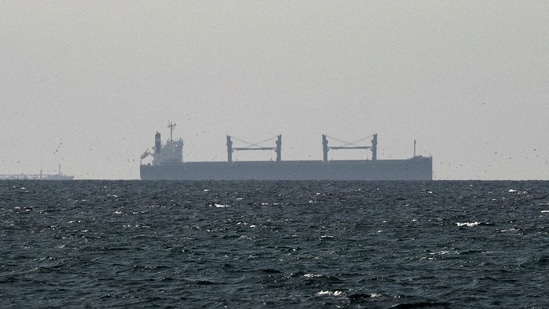
Since February 28, a distinct group of India-linked vessels has traversed the Strait of Hormuz. This roster includes the Indian Navy’s stealth frigate Shivalik, a clear signal of India’s commitment to maritime security and protecting its commercial assets. Alongside this naval presence, several commercial vessels also made the crucial passage: the bulk carrier Nanda Devi, oil/chemical tankers Jag Laadki and Jag Vasant, the LPG tanker Pine Gas, LNG tankers BW Tyr and BW Elm, and the general cargo ship Green Sanvi. This diverse fleet highlights the broad spectrum of India’s economic interests tied to the region, from heavy industry raw materials to essential energy supplies.
Shipping analytics data and regional maritime reports consistently confirm these vessel movements. The transit of INS Shivalik alongside merchant vessels is not merely coincidental; it underscores India’s proactive strategy to protect its trade lifelines and uphold the principle of freedom of navigation in international waters. This naval deployment is part of wider efforts by India to ensure safe passage for its commercial fleet in a region often subject to complex geopolitical tensions and security concerns.
For India, the Strait of Hormuz is more than just a route; it is an economic lifeline. A substantial portion, estimated at over 80%, of its crude oil and natural gas imports from the Persian Gulf states must transit this narrow passage. Any disruption here could severely impact India’s energy security, leading to direct consequences for its economy, including fluctuating fuel prices and affecting industrial output nationwide. While recent global attention has often focused on disruptions in the Red Sea, the inherent strategic sensitivity of Hormuz, influenced by bordering nations like Iran, remains a paramount concern for all maritime trading nations. The consistent transits by these India-linked ships demonstrate a crucial degree of operational continuity despite prevailing regional complexities.
This continued maritime activity through a pivotal global choke point showcases India’s resilience and its strategic imperative to maintain stable supply chains for its burgeoning economy. It reinforces confidence in global trade networks, even as other key routes face significant challenges. India’s multi-faceted approach, encompassing robust diplomatic engagement with Gulf nations, a visible naval presence, and vigilant monitoring of maritime threats, collectively ensures the safe passage for crucial energy carriers like the Jag Laadki and BW Tyr.
Key Takeaways
* Strategic Lifeline: The Strait of Hormuz is unequivocally critical for India’s energy imports and international trade.
* Consistent Traffic: India-linked naval and commercial vessels continue their regular transits through the Strait since late February.
* Naval Protection: The presence of INS Shivalik underscores India’s active role in maritime security and safeguarding its commercial interests.
* Economic Stability: Uninterrupted passage through Hormuz is vital for India’s energy security and broader economic stability.
* Global Role: India remains a significant and consistent user of this key global maritime route, highlighting its influence in global trade.
The steady flow of vessels through the Strait of Hormuz reflects India’s unwavering economic and strategic needs. These transits are crucial indicators of operational resilience and strategic foresight in a dynamic global environment. Omni 360 News continues to track these essential maritime developments closely.