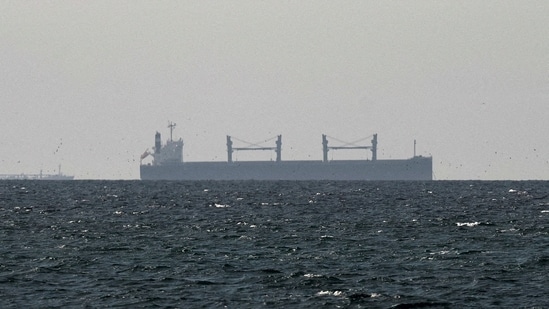
India stays among top Strait of Hormuz users as 8 vessels transit amid Iran chokehold| India News
India’s Vital Passage Through Strait of Hormuz Sustained Amidst Regional Tensions
The Strait of Hormuz, a narrow waterway connecting the Persian Gulf with the Arabian Sea, remains a critical artery for global commerce, particularly for oil and gas shipments. For nations like India, heavily reliant on energy imports, maintaining uninterrupted access through this strategic choke point is not merely an economic necessity but a cornerstone of national security. Recent data confirms India’s consistent presence in these waters, with at least eight India-linked vessels navigating the strait since late February, underscoring the nation’s steadfast engagement amidst evolving regional dynamics. Omni 360 News brings a detailed look at these crucial movements.
The period since February 28 has seen a steady stream of Indian maritime activity through Hormuz. Among the vessels identified are the Indian Navy frigate Shivalik, a symbol of India’s commitment to maritime security, and the research vessel Nanda Devi, indicative of scientific and strategic interests. Beyond these governmental assets, a fleet of commercial ships, vital for India’s trade, has also made the transit. These include the merchant vessels Jag Laadki and Jag Vasant, alongside tankers such as Pine Gas, BW Tyr, BW Elm, and Green Sanvi. Each of these transits represents not just a journey of cargo but a testament to the intricate web of global supply chains and India’s significant role within them.
Understanding the significance of these movements requires a look at the Strait of Hormuz itself. Imagine a busy, two-lane highway that’s absolutely essential for almost a third of the world’s seaborne oil and a quarter of its liquefied natural gas (LNG). This highway is the Strait of Hormuz. It’s incredibly narrow at its most constricted point, about 21 miles wide, with actual shipping lanes even narrower. This geography makes it both strategically invaluable and vulnerable to disruptions. Any instability in the surrounding region, particularly with Iran positioned along its northern coast, directly impacts global energy prices and international shipping routes. For India, which imports over 80% of its crude oil, much of it from Gulf nations, the strait is literally a lifeline for its economy and energy security.
The consistent passage of these vessels, especially in an environment marked by heightened geopolitical sensitivities in the wider Middle East, highlights India’s proactive approach to safeguarding its maritime interests. The Indian Navy, through its ongoing ‘Operation Sankalp’, has been deployed in the Gulf region since June 2019 to ensure the safety and security of Indian-flagged merchant vessels in the Arabian Sea and the Persian Gulf. The presence of the INS Shivalik exemplifies this commitment, providing a tangible deterrent and reassurance to commercial shipping. This naval presence is crucial for maintaining confidence among ship owners and operators, allowing the flow of essential commodities to continue unimpeded.
The merchant vessels like Jag Laadki and Jag Vasant are general cargo ships, transporting a variety of goods that fuel India’s industries and consumer markets. The tankers—Pine Gas, BW Tyr, BW Elm, and Green Sanvi—are responsible for ferrying crude oil and natural gas, critical raw materials that power factories, generate electricity, and fuel transportation across India. The uninterrupted operation of these vessels ensures that India’s vast energy needs are met, preventing potential economic shocks that could arise from disruptions in supply. This sustained transit capability underscores India’s resilience and strategic importance in global trade networks.
The broader implications of India’s sustained presence in the Strait of Hormuz are significant. It projects India as a responsible maritime stakeholder, committed to freedom of navigation and the stability of crucial international trade routes. It also demonstrates the nation’s capacity to protect its economic lifelines, even in areas prone to geopolitical volatility. For a nation with a rapidly growing economy and a substantial diaspora across the Gulf, stable maritime trade is not just about oil, but also about a broader economic partnership and regional stability.
Key Takeaways:
* India continues to be a major user of the Strait of Hormuz, essential for its energy and trade needs.
* At least eight India-linked vessels, including naval, merchant, and tanker ships, have transited the strait since February 28.
* The Indian Navy’s ‘Operation Sankalp’ plays a vital role in ensuring the safety of Indian vessels in the region.
* The strait’s strategic importance for global energy supplies makes India’s sustained access crucial for its economic stability.
* India’s persistent maritime presence reinforces its position as a responsible and significant global trading partner.