Indian airlines cut 3,000 weekly flights in summer schedule amid West Asia crisis| India News
Indian Airlines Trim Weekly Flights For Upcoming Summer Schedule
India’s vibrant aviation sector is bracing for a significant adjustment as domestic airlines prepare to operate approximately 3,000 fewer flights each week during the upcoming summer schedule. This reduction, a notable shift from last year’s operational pace, signals a period of strategic recalibration for carriers navigating a complex operational landscape. The Directorate General of Civil Aviation (DGCA) has formally approved 16,839 weekly domestic flights for the summer schedule, commencing on March 31, 2024, and concluding on October 26, 2024. This figure represents a 15.6 percent decline compared to the 19,957 weekly flights cleared during the corresponding period in 2023.
For the average traveler, understanding this change is crucial. Imagine the bustling skies over India, usually filled with hundreds of planes taking off and landing every day. This summer, there will be fewer options available on many routes, potentially leading to fuller flights and, in some cases, higher ticket prices. It’s a noticeable trimming of the aviation network that impacts planning for holidays, business trips, and family visits across the country.
The reasons behind this substantial reduction are multifaceted, pointing to a blend of external pressures and internal operational adjustments. While the ongoing West Asia crisis has been mentioned as a contributing factor, its direct impact on domestic routes might be less pronounced than other pressing issues. Local aviation analysts and reports indicate that several operational realities within India’s aviation ecosystem are driving this decision.
One of the most significant factors is the absence of Go First from the market. The airline ceased operations last year, taking a substantial chunk of capacity out of the domestic network. While other carriers have tried to fill this void, the immediate loss of thousands of weekly flights from Go First’s schedule has not been fully absorbed.
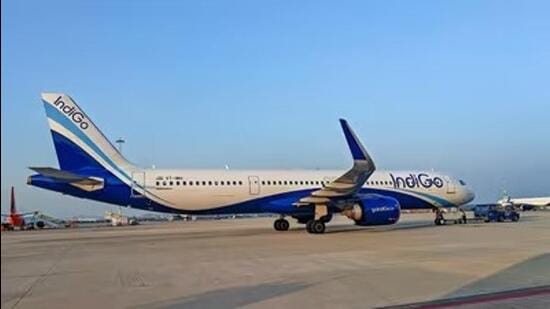
Beyond Go First, a prevalent issue plaguing some major airlines is the grounding of numerous aircraft due to engine-related problems, particularly those affecting Pratt & Whitney engines on certain Airbus A320neo family aircraft. This directly impacts carriers like IndiGo, which operates a large fleet of these planes. With aircraft sidelined for maintenance or awaiting parts, airlines simply do not have enough operational planes to maintain previous flight frequencies. This effectively shrinks the available fleet, forcing a reduction in planned services.
Furthermore, airlines are undertaking internal operational adjustments. This can involve optimizing routes, focusing on more profitable sectors, or rationalizing schedules to ensure better on-time performance and efficient use of available resources, including pilots and cabin crew. The industry is also grappling with ensuring adequate rest periods for pilots, adhering to stricter flight duty time limitation (FDTL) norms, which sometimes necessitate adjustments to schedules to prevent crew fatigue.
Looking at individual airline performance within this broader context, the scenario is mixed. While the overall numbers are down, some carriers are actually expanding their footprint. Akasa Air, for instance, has demonstrated robust growth, receiving approval for a higher number of flights compared to the previous summer. This emerging airline is actively increasing its presence in the market. However, established players like IndiGo, Air India, Vistara, Alliance Air, and Star Air have all seen cuts in their approved flight numbers, contributing to the overall decline. Even SpiceJet, while showing some resilience in securing approvals, is part of a market that is seeing fewer total flights.
For passengers, the immediate implications are tangible. Fewer flight options mean reduced flexibility for travel planning. There is an increased likelihood of flights being fully booked, particularly on popular routes and during peak travel times. Consequently, the basic economic principle of supply and demand suggests that ticket prices could experience an upward trend on the remaining available flights. Travelers are advised to book their journeys well in advance to secure preferred timings and potentially more favorable fares. For up-to-the-minute updates and insights into these changing dynamics, Omni 360 News continues to monitor the unfolding situation closely.
The DGCA’s role in approving these schedules is paramount. This regulatory body ensures that airlines operate within safety guidelines and that their proposed flight plans are feasible. The approval process considers various factors, including an airline’s operational capacity, fleet size, and adherence to safety protocols. This year’s reduced approvals underscore the DGCA’s practical assessment of the industry’s current capabilities.
Key Takeaways:
* Fewer Options: Approximately 3,000 fewer domestic flights per week will operate from March 31 to October 26, 2024.
* Capacity Reduction: The DGCA approved 16,839 weekly domestic flights, a 15.6% decrease from last year.
* Multiple Causes: The reduction stems from Go First’s exit, aircraft groundings due to engine issues (affecting airlines like IndiGo), and strategic operational adjustments by carriers.
* Passenger Impact: Travelers can anticipate potentially higher fares and fewer choices on popular routes, necessitating earlier booking.
* Airline Adjustments: While Akasa Air shows growth, major carriers like IndiGo, Air India, and Vistara are operating reduced schedules.
In conclusion, the Indian aviation sector is navigating a period of significant adjustment. While the reduction in weekly flights for the summer schedule presents challenges for travelers, it reflects a broader industry effort to rationalize operations amidst fleet limitations, market changes, and ongoing global developments. As the summer travel season approaches, staying informed about these shifts will be key for anyone planning air travel within India.