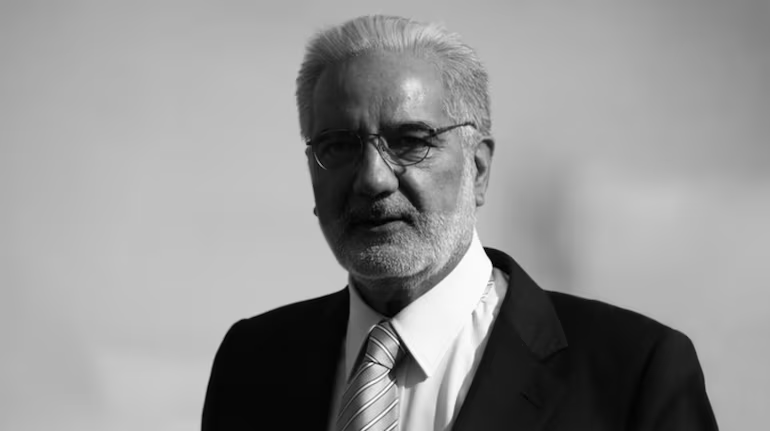
Former BCCI President IS Bindra Passes Away at 84
A deep sense of sadness has spread across Indian cricket following the death of Inderjit Singh Bindra, former President of the Board of Control for Cricket in India (BCCI). He passed away at the age of 84. The news of his demise was confirmed by ICC Chairman Jay Shah, who expressed condolences to Bindra’s family and the cricketing community.
Inderjit Singh Bindra, popularly known as IS Bindra, was one of the most powerful and forward thinking cricket administrators India has ever produced. His role in shaping Indian cricket off the field remains unmatched even decades after his active administrative career ended.
Bindra served as the President of the BCCI from 1993 to 1996. This was a crucial period for Indian cricket, a time when the game was slowly moving from traditional formats to a more commercial and globally connected structure. During his tenure, Indian cricket administration saw several important changes that helped strengthen the Board’s authority and financial independence.
Even before becoming BCCI President, IS Bindra had already made a strong mark in cricket administration. From 1978 to 2014, he served as the President of the Punjab Cricket Association (PCA). This long tenure of more than three decades shows the trust and respect he commanded within Indian cricket circles.
One of his most visible and lasting contributions was the construction of the PCA Stadium in Mohali. Under his leadership, the stadium was developed into one of India’s finest international cricket venues. The ground later became famous for hosting iconic matches involving the Indian national team.
In recognition of his immense contribution, the Mohali stadium was officially renamed the IS Bindra Stadium in 2015. This honour reflected how deeply his legacy was connected to cricket infrastructure in India, especially in Punjab.
IS Bindra also played a key role in India hosting major international tournaments. He was actively involved in the organisation of the 1987 One Day International World Cup, which was jointly hosted by India and Pakistan. This tournament was historic, as it marked the first time the Cricket World Cup was held outside England.
Another major area where Bindra left a permanent impact was cricket broadcasting. During a time when Doordarshan held exclusive rights over cricket telecasts in India, Bindra took a bold step to open the doors for private broadcasters. In 1994, he approached the Supreme Court to challenge Doordarshan’s monopoly over cricket broadcasting rights.
This decision changed the future of cricket viewing in India. It allowed private companies to enter cricket broadcasting, leading to better coverage, improved technology, and increased revenue for the BCCI. Many experts believe that this move played a crucial role in turning cricket into the biggest television sport in the country.
Throughout his career, IS Bindra was known as a strong administrator who was not afraid to take tough decisions. He firmly believed that Indian cricket should be professionally managed and financially independent. His ideas were often ahead of his time, and many of his policies later became standard practice in Indian cricket governance.
His passing has created a major void in Indian cricket administration. Former cricketers, administrators, and cricket fans across the country have expressed grief and paid tribute to his legacy. Social media has been flooded with messages remembering his vision, leadership, and lifelong service to the game.
IS Bindra may not have played international cricket, but his contribution from behind the scenes helped Indian cricket grow into a global powerhouse. From stadium development to broadcasting reforms, his influence can still be felt today.
As Indian cricket remembers one of its strongest architects, IS Bindra’s name will forever remain etched in the history of the sport. His legacy will continue to inspire future generations of cricket administrators in India.