Indian killed in attack on desalination plant in Kuwait| India News
Tragic Loss An Indian Life Claimed in Kuwait Amidst West Asia Turmoil
The escalating tensions across West Asia have tragically claimed an Indian life in Kuwait, a stark reminder of the human cost of geopolitical instability. This incident marks the first fatality of an Indian national in Kuwait since military actions involving Israel and the United States against Iran began on February 28, triggering a wider ripple effect across the region.
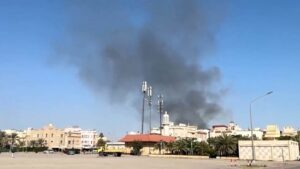
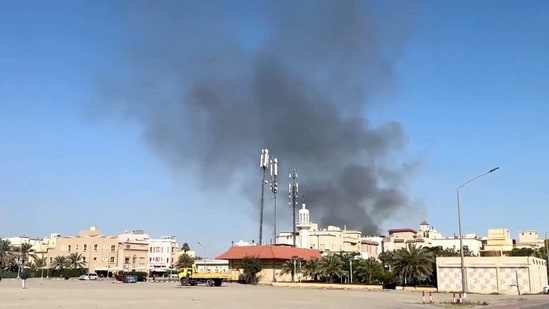
Reports from reliable regional news outlets, including Al Jazeera and Al Arabiya, confirmed the death of a 37-year-old Indian national. The individual, identified as a technician, was working at a crucial desalination plant in Kuwait when it was struck by an unknown missile. The circumstances surrounding the missile strike remain under investigation, adding to the somber mood of uncertainty in the area.
This unfortunate event underscores the perilous environment for expatriate communities and infrastructure in countries neighboring active conflict zones. Kuwait, traditionally known for its stability and as a major host for Indian workers, finds itself navigating increasingly volatile regional dynamics. The incident has drawn attention to the precarious safety of civilians and foreign nationals living and working in critical installations across the Persian Gulf.
The wider conflict in West Asia, initiated by a series of military engagements, has created a complex and dangerous landscape. While the direct perpetrators of the missile strike on the Kuwaiti desalination plant are yet to be definitively identified, the incident is widely viewed as collateral damage from the heightened state of alert and indirect consequences of the regional power struggles. Escalations, even those geographically distant, often lead to unintended consequences that impact civilian lives and essential services far from the primary conflict zones.
For India, a nation with a vast diaspora across West Asia, the safety and well-being of its citizens abroad are paramount. The Indian Embassy in Kuwait is actively monitoring the situation and is in close coordination with Kuwaiti authorities to gather more details and provide necessary assistance. Such incidents highlight the need for robust diplomatic engagement and contingency plans to protect Indian nationals working in critical sectors in vulnerable regions.
This incident serves as a grim illustration of how regional tensions can spill over, affecting seemingly neutral territories and innocent lives. The intricate web of alliances and antagonisms means that even countries not directly involved in the primary conflict face an elevated risk. For Omni 360 News, tracking these developments and their human impact remains a critical focus, bringing clarity to complex global events.
Key Takeaways:
* An Indian national died in a missile strike on a Kuwaiti desalination plant.
* This marks the first Indian fatality in Kuwait following recent military actions in West Asia.
* The incident underscores the growing dangers for expatriate workers and critical infrastructure in the region.
* The broader West Asia conflict continues to have unpredictable and tragic consequences for civilians.
* The need for diplomatic efforts to de-escalate tensions and ensure the safety of foreign nationals is more urgent than ever.