Indian Navy gets its third indigenous nuclear submarine, Rajnath Singh commissions INS Aridaman in service| India News
India’s Silent Guardian Third Arihant Class Submarine Emerges From Visakhapatnam
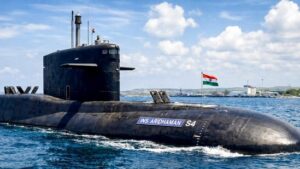
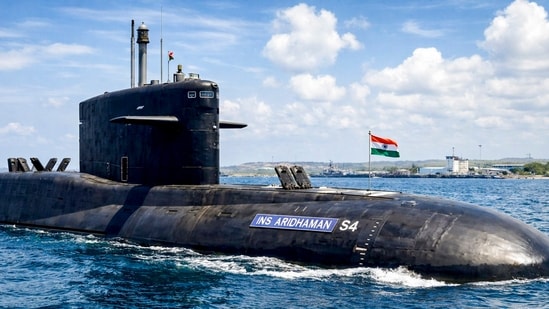
The Indian Navy’s strategic capabilities have seen a significant enhancement with the quiet commissioning of the INS Aridaman. This vessel marks the third addition to India’s formidable Arihant-class nuclear submarines, a testament to the nation’s indigenous defense prowess and a critical component of its deterrent strategy. Crafted under the highly secretive Project ATV in the bustling port city of Visakhapatnam, this new submarine reinforces India’s position on the global strategic stage, according to reports verified by Omni 360 News.
The arrival of INS Aridaman represents a monumental achievement for India’s shipbuilding and defense technology sectors. It underscores years of dedicated effort from scientists, engineers, and workers in Visakhapatnam, transforming complex blueprints into a tangible symbol of national security.
Understanding Nuclear Submarines and Project ATV
For those unfamiliar, a nuclear submarine is unlike conventional submarines that run on diesel engines and need to surface regularly to recharge batteries. Nuclear submarines use a small nuclear reactor to generate power, allowing them to stay underwater for months at a time, traveling vast distances without needing to refuel. This stealth and endurance make them incredibly powerful tools for defense and deterrence.
The Arihant class, to which INS Aridaman belongs, is a specific type of nuclear submarine known as a Ship Submersible Ballistic Nuclear (SSBN). These vessels are designed to carry and launch ballistic missiles equipped with nuclear warheads. Their primary role is to provide a “second-strike capability” meaning if an adversary were to launch a nuclear attack, these submarines, hidden deep in the oceans, could retaliate, ensuring no country would risk a first strike. This concept is known as a nuclear triad the ability to launch nuclear weapons from land, air, and sea and is considered vital for any nation aspiring to be a significant global power. The INS Aridaman’s induction completes a crucial part of India’s developing triad.
Project ATV Advanced Technology Vessel is the codename for India’s indigenous program to build nuclear-powered submarines. It’s a highly sensitive and complex undertaking, involving various government agencies, defense research organizations, and public sector undertakings. The fact that India is designing and building these advanced machines domestically highlights its advanced technological base and commitment to self-reliance in critical defense areas. The hub of this project is Visakhapatnam, a city that has become synonymous with naval innovation and strategic shipbuilding.
Visakhapatnam’s Enduring Role in India’s Naval Might
Visakhapatnam, often called the ‘City of Destiny,’ plays an indispensable role in India’s naval ambitions. The city’s extensive shipbuilding facilities and the presence of the Eastern Naval Command have made it the nerve center for Project ATV. Local news outlets have often highlighted the immense economic and technological ripple effects of such projects on the region. The construction of vessels like INS Aridaman translates into significant employment opportunities, skill development for thousands of workers, and the fostering of a high-tech industrial ecosystem in and around the city. It’s a source of immense pride for the local populace to witness such sophisticated national assets being built on their home ground. The expertise gained here is invaluable, laying the groundwork for future advancements in marine engineering and defense production.
Strategic Implications and India’s Deterrent Posture
The commissioning of INS Aridaman significantly bolsters India’s undersea warfare capabilities. It sends a clear signal about the nation’s resolve to protect its strategic interests and maintain peace and stability in the Indian Ocean Region. With this third vessel, India strengthens its credible minimum deterrence posture, ensuring that its nuclear arsenal is resilient and capable of responding to any threat from any direction. This enhances national security and contributes to regional stability by discouraging aggression. The ability to deploy such advanced platforms adds another layer of defense, making India’s strategic assets less vulnerable.
The operational readiness of INS Aridaman means India’s Navy can conduct longer and more sustained patrols, gathering crucial intelligence and maintaining a watchful presence in its areas of interest. These submarines are not just weapons; they are sophisticated platforms for national security, research, and safeguarding maritime boundaries.
Key Takeaways
* The INS Aridaman is India’s third Arihant-class nuclear submarine, a significant step in indigenous defense.
* It strengthens India’s nuclear triad, providing a robust second-strike capability crucial for national security.
* Project ATV, centered in Visakhapatnam, showcases India’s advanced shipbuilding and technological self-reliance.
* The project brings economic growth, employment, and skill development to the Visakhapatnam region.
* The submarine enhances India’s strategic deterrent posture and its ability to maintain peace in the Indian Ocean.
As INS Aridaman prepares to embark on its silent missions, it carries with it the hopes and aspirations of a nation committed to safeguarding its future through innovation and strategic strength. This vessel is not just a piece of naval hardware; it is a symbol of India’s unwavering determination to secure its sovereignty and contribute to a peaceful global order, observed Omni 360 News.