
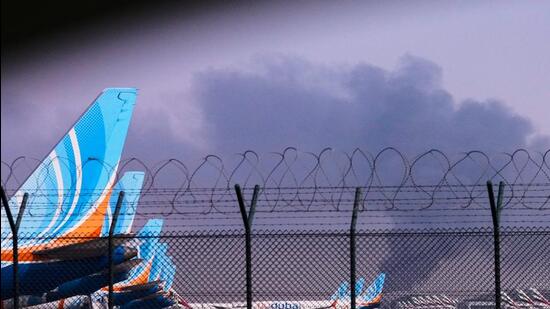
Indian pilots’ body raises safety concerns over West Asia flight operations| India News
Pilots Raise Alarm Over Missile Drone and Electronic Warfare in Indian Airspace Key Takeaways
The Air Line Pilots’ Association of India (ALPA India) has issued a significant safety bulletin, drawing attention to a range of escalating threats within and around Indian airspace. This warning underscores critical concerns for civilian aircraft operations, encompassing potential missile and drone activity, the disruptive force of electronic warfare interference, and the alarming risk of civil aircraft being misidentified. This development highlights a complex and evolving security landscape that demands immediate and coordinated action from aviation authorities and defense establishments alike.
Understanding ALPA India’s Stance
ALPA India, the representative body for commercial airline pilots across the nation, plays a crucial role in advocating for aviation safety and security. Their latest advisory is not merely a procedural announcement but a serious call to action, reflecting firsthand observations and concerns from the flight deck. It serves as a stark reminder of the intricate balance required to maintain safety in an increasingly complex and technologically advanced operational environment. The association’s warnings are often based on real-world incidents, pilot reports, and intelligence briefings, providing a grounded perspective on emerging threats.
The Specter of Missile and Drone Activity
One of the most pressing concerns flagged by ALPA India is the potential for missile and drone activity to impact civil aviation. This threat manifests in several ways. Firstly, the accidental firing or straying of military missiles during exercises or heightened border tensions poses a direct physical risk to aircraft. While protocols exist to clear airspaces during such activities, unforeseen deviations or intelligence failures could have catastrophic consequences. Secondly, the proliferation of drones, both military and civilian, introduces a new layer of complexity. Unidentified or hostile drones can pose collision risks, especially at lower altitudes, and their presence can complicate air traffic control procedures. Military drones, when operating in contested zones, can also raise alarm, increasing the overall risk perception. For an average person, imagine a highway where not just cars, but also small, fast-moving, unidentifiable objects are zipping around; that’s the kind of unpredictable environment pilots are trying to navigate.
Electronic Warfare Interference A Silent Threat
Modern aircraft rely heavily on sophisticated electronic systems for navigation, communication, and surveillance. This reliance makes them vulnerable to electronic warfare (EW) interference, a threat specifically highlighted by ALPA India. EW involves using electromagnetic energy to control the electromagnetic spectrum, essentially jamming or spoofing vital signals.
* GPS Jamming and Spoofing: This is perhaps the most critical aspect. Aircraft navigation systems frequently use the Global Positioning System (GPS) for precise positioning. Jamming involves blocking these signals, forcing pilots to rely on older, less precise navigation methods. Spoofing is even more insidious; it involves sending false GPS signals, making the aircraft’s systems believe it is in a different location than it actually is. This can lead to severe navigation errors, especially in instrument flight conditions or over featureless terrain. For a 12th standard student, think of it like your phone’s GPS suddenly telling you you’re miles away from your actual location, or simply losing signal altogether, but with an aircraft moving at hundreds of kilometers per hour.
* Communication Disruption: EW can also interfere with radio communications between aircraft and air traffic control. Loss of clear communication can severely impact air traffic management, leading to delays, increased workload for pilots, and potential safety risks in crowded airspaces.
* Radar Interference: Military radars might experience interference, and civilian weather radars or air traffic control radars could also be affected, reducing their ability to track aircraft accurately or detect hazardous weather.
Such interference, often associated with military exercises or localized conflicts, can severely degrade a pilot’s situational awareness and operational capabilities, creating a perilous flying environment.
The Risk of Civil Aircraft Misidentification
Perhaps the most chilling threat is the potential for civil aircraft to be misidentified as hostile targets. In areas of heightened military alert or active conflict, defense systems are often on edge. A civilian aircraft, especially if it deviates from its planned flight path due to other issues (like EW interference) or if its transponder fails, could inadvertently be perceived as a threat by ground-based or airborne military assets. Historical tragedies serve as grim reminders of the devastating consequences of such misidentification. ALPA India’s warning serves as a crucial reminder that clear identification and communication protocols between civil and military aviation authorities are paramount to prevent such catastrophic errors.
Context and Implications for Omni 360 News
These threats do not exist in a vacuum. They are often linked to geopolitical tensions, increased military activities in India’s extended neighborhood, and the rapid advancements in military technology. The Indian subcontinent and its surrounding regions are strategically significant, leading to a dynamic and sometimes volatile security environment. This complex tapestry of risks necessitates a comprehensive approach to aviation safety.
For passengers, these warnings translate into an increased, albeit still statistically low, level of risk and a call for greater transparency from airlines and authorities. For pilots, it means heightened vigilance, specialized training to handle navigation failures, and robust communication protocols. This is where comprehensive reporting, as provided by platforms like Omni 360 News, becomes crucial for informing the public and stakeholders about these complex safety issues without creating undue panic.
Key Takeaways
* ALPA India’s warning highlights escalating safety concerns for civil aviation.
* Threats include accidental missile/drone incidents, particularly near active regions.
* Electronic warfare, like GPS jamming, poses significant navigation and communication risks.
* The danger of civil aircraft being mistaken for hostile targets is a grave concern.
* These issues underscore the need for enhanced coordination between civil and military authorities.
Moving Forward
Addressing these multifaceted threats requires a collaborative effort. Aviation regulators must work closely with defense agencies to establish clear protocols, share threat intelligence in real-time, and ensure safe corridors for civilian flights, especially during military exercises. Investment in advanced aircraft systems resilient to EW attacks, improved pilot training for degraded navigation environments, and robust international cooperation on airspace security are all vital steps. The goal remains unwavering: to uphold the highest standards of safety and security for everyone who takes to the skies.