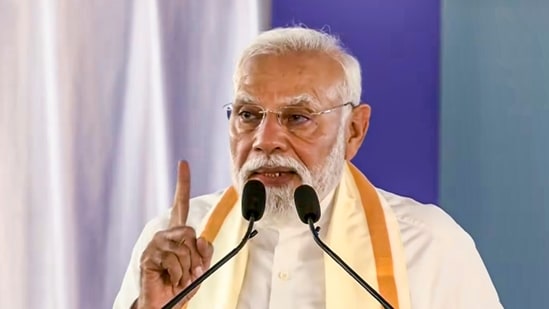
'Indians won't be left stranded': PM Modi on nationals stuck in US-Iran warzones| India News
India’s Commitment to West Asia Diaspora Safety and Welfare
Prime Minister Narendra Modi recently affirmed the government’s steadfast commitment to the well-being of Indian nationals residing and working across West Asia. This declaration underscores a continuous, vigilant approach to safeguarding the interests of a significant segment of India’s global diaspora, a community vital to both their host nations and their homeland. The statement highlights a government closely monitoring the unfolding regional dynamics and actively coordinating various efforts to provide robust support systems.
West Asia, a region often characterized by its dynamic geopolitical landscape, is home to millions of Indian expatriates. These individuals form the backbone of several industries, contributing significantly to the economies of countries like the UAE, Saudi Arabia, Qatar, Kuwait, Bahrain, and Oman. From construction sites and oil fields to healthcare facilities and burgeoning tech hubs, their presence is pervasive, driving growth and fostering cultural exchange. For many, these nations represent opportunities for economic advancement and a better life, allowing them to send crucial remittances back to India, which play a pivotal role in the national economy.
Understanding the unique challenges faced by this extensive diaspora is paramount. The region’s inherent complexities, ranging from fluctuating oil prices impacting local economies to broader geopolitical developments, can directly affect the livelihoods and security of expatriates. In such an environment, the Indian government’s proactive stance is not just reassuring but essential.
Government efforts to monitor the situation extend beyond mere observation. It involves a multi-pronged strategy rooted in diplomacy, consular services, and community engagement. Indian embassies and consulates across West Asia serve as frontline institutions, providing an array of services. These include addressing visa and contractual disputes, facilitating emergency travel documents, offering legal aid, and mediating employer-employee disagreements. Through dedicated helplines and outreach programs, these missions strive to remain accessible to every Indian national in need.
Coordination is a critical component of this overarching support framework. This encompasses seamless communication channels between various government ministries in India, foreign missions, and, crucially, local authorities in host countries. Such coordination ensures that information regarding regional developments, travel advisories, and welfare initiatives is disseminated swiftly and accurately. It also enables swift responses to crisis situations, whether it involves large-scale evacuations duem to conflict or humanitarian assistance during natural calamities or health crises.
A significant aspect of the government’s support mechanism involves fostering strong bilateral relationships with West Asian nations. These diplomatic ties are instrumental in creating a conducive environment for Indian workers, ensuring fair labor practices, and addressing grievances at a governmental level. Regularly scheduled high-level dialogues and joint commissions often include discussions on expatriate welfare, labor laws, and social security provisions, cementing the commitment to protect the rights of Indian nationals.
For a 12th standard student trying to grasp this, imagine a vast network of Indian citizens living far from home. Just like your parents would look out for you if you were studying abroad, the Indian government acts as a guardian for its citizens in West Asia. When things get complicated or difficult in those countries – perhaps due to job losses, or even bigger political issues – the government steps in. They keep a close eye on everything, like a news channel that reports from every angle, making sure they know what’s happening on the ground. Then, they use their offices (embassies and consulates) to help people directly, like offering advice, solving problems, or even helping them return home if necessary. It’s all about ensuring the safety and well-being of every Indian citizen abroad.
Past experiences have greatly informed the government’s current strategies. India has a commendable track record of successful large-scale evacuations and humanitarian missions in the region, demonstrating its capability and resolve during challenging times. These operations, often complex and logistically demanding, have highlighted the strength of India’s diplomatic network and its commitment to leaving no citizen behind. These valuable lessons continue to shape current preparedness and response protocols.
Beyond immediate assistance, the government also supports various welfare funds and schemes designed to aid expatriates, especially those facing financial distress or health issues. Initiatives aimed at skill development and re-integration for returning workers further demonstrate a holistic approach to diaspora welfare. This long-term perspective acknowledges that supporting Indian nationals extends beyond their tenure abroad, encompassing their journey back home.
For a media outlet like Omni 360 News, covering such governmental assurances is crucial. It reflects a commitment to comprehensive reporting on issues that directly impact millions of lives and highlights the intricate relationship between foreign policy and citizen welfare. The government’s messaging aims to reassure families back home that their loved ones in West Asia are not forgotten and that their interests are being actively championed.
Key Takeaways:
* The Indian government is actively monitoring the situation in West Asia for the welfare of its nationals.
* Coordination involves diplomatic channels, consular services, and engagement with host nation authorities.
* Embassies and consulates are critical in providing direct support and addressing grievances.
* Past experiences guide current strategies for emergency response and welfare initiatives.
* The government’s commitment extends to ensuring fair labor practices and long-term reintegration support for returning workers.
In conclusion, Prime Minister Modi’s statement reiterates India’s unwavering dedication to its diaspora in West Asia. It reflects a mature, proactive foreign policy that prioritizes the safety, security, and well-being of its citizens abroad, ensuring that the millions of Indian nationals contributing to the region’s prosperity can do so with the full backing and protection of their home country. This consistent vigilance and coordinated approach are essential pillars for maintaining stability and confidence within the vast Indian expatriate community.