
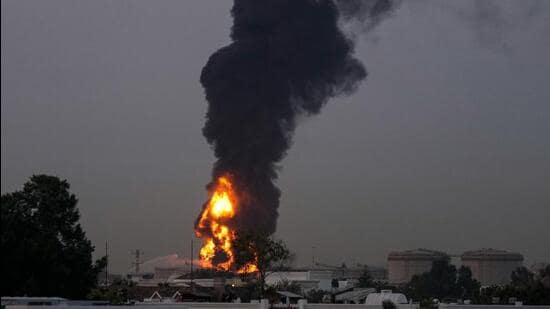
India’s Brics challenge: Balancing ties with Iran, Saudi, UAE amid drone strikes| India News
India Leads BRICS Push for West Asia Consensus Sherpa Diplomacy Key
New Delhi – India is actively engaging with all BRICS member states to formulate a unified position on the complex situation in West Asia. This crucial diplomatic effort is primarily channeled through the dedicated Sherpa track, aiming for a consensus that could contribute to regional stability.
West Asia, a region of immense strategic importance due to its energy reserves, trade routes, and geopolitical sensitivities, has faced persistent challenges. Various conflicts and humanitarian crises underscore the urgent need for a coordinated international response. India’s proactive stance reflects its deep commitment to peace and its long-standing policy of fostering dialogue rather than confrontation in global affairs.
The BRICS grouping, comprising Brazil, Russia, India, China, and South Africa, along with its new members, represents a significant portion of the world’s population and economic output. A collective voice from such a diverse and influential bloc carries considerable weight on the international stage. By working together, BRICS nations seek to move beyond individual national statements to present a cohesive approach, potentially offering a credible alternative perspective to existing international efforts.
At the heart of this diplomatic push is the Sherpa channel. A ‘Sherpa’ in diplomacy is a personal representative of a head of state or government who prepares an international summit, particularly the G7, G20, or BRICS summits. These individuals engage in intensive, behind-the-scenes negotiations, laying the groundwork for agreements and resolutions. The Sherpa channel is invaluable for its ability to facilitate frank discussions, bridge differences, and iron out details away from the glare of public scrutiny. This allows for a more focused and effective path towards developing shared understandings and positions on sensitive issues like the West Asian crisis.
India’s leadership in this endeavor highlights its growing diplomatic influence and its role as a responsible global actor. New Delhi consistently advocates for solutions rooted in international law, respect for sovereignty, and humanitarian principles. Through the Sherpa discussions, India aims to steer BRICS towards a shared perspective that emphasizes de-escalation, protection of civilians, and the pursuit of lasting peace through dialogue among all parties involved. This diplomatic engagement also provides a platform for BRICS members to coordinate humanitarian aid efforts and explore pathways for long-term reconstruction and economic stability in the affected areas.
For observers following global affairs, as reported by various outlets including Omni 360 News, this BRICS initiative underscores a broader shift towards multilateral cooperation in addressing intractable international problems. A successful consensus would not only enhance BRICS’s standing but also demonstrate the potential for emerging economies to collectively shape global discourse and contribute meaningfully to conflict resolution.
Key Takeaways:
* India is actively coordinating with all BRICS members to establish a common stance on West Asia.
* The Sherpa channel is the primary diplomatic mechanism for these detailed negotiations.
* The goal is a unified BRICS position aimed at fostering stability and peace in the volatile region.
* India’s leadership reinforces its commitment to multilateralism and its growing diplomatic role.
* A BRICS consensus could significantly impact global efforts towards de-escalation and humanitarian relief.