play
India’s Fuel Fright: Long Lines, Short Tempers, Deep Worry
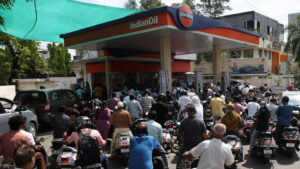
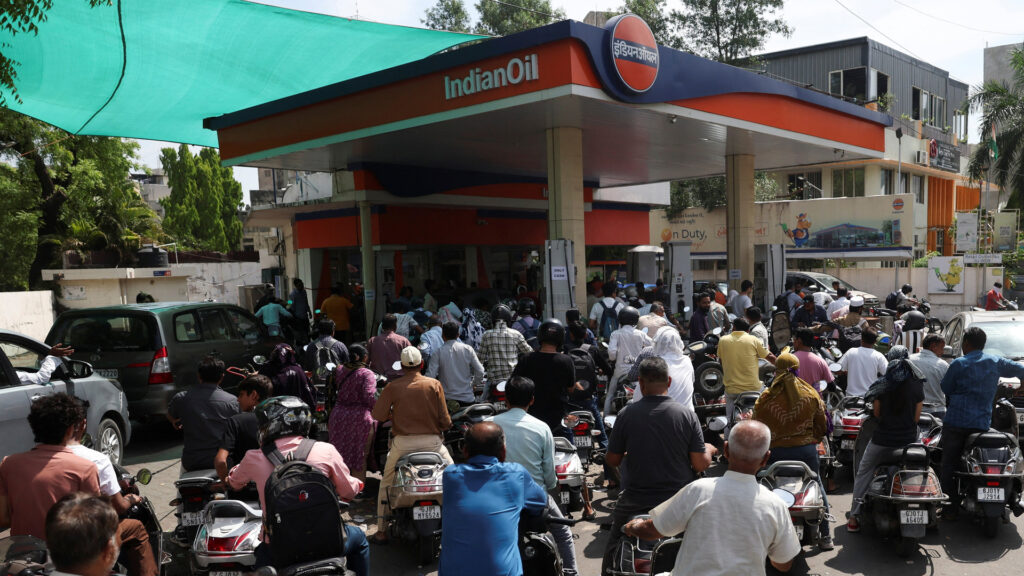
For countless families across India, the day begins with a knot of anxiety. It’s not about the usual morning rush or what’s for dinner. It’s about fuel. Imagine pulling up to a gas station, hoping for a refill, only to be met by a sprawling queue, guarded by weary police officers. That’s the reality for many right now, as reports of fuel shortages spark widespread panic and frustration.
What’s actually happening on the ground is stark: service stations in various states are running dry. The lines for petrol and diesel stretch for hundreds of meters, sometimes even kilometers, as drivers wait for hours, hoping a new tanker will arrive before their turn. Police aren’t just directing traffic; they’re managing crowds, trying to keep order amidst growing desperation. It’s a scene playing out daily, leaving commuters stranded, businesses struggling, and a nation on edge.
Is this just a logistical blip, or something more?
While official sources often point to a surge in demand, particularly in agricultural and transport sectors, the rapid spread of panic buying can’t be ignored. When people fear scarcity, they hoard. It’s a natural human reaction, but it exacerbates the problem, emptying pumps faster than supplies can be replenished. This isn’t just about trucks hitting a few potholes; it’s a deeply rooted issue touching everything from distribution networks to the psychological impact of uncertainty on a massive population. We’re seeing the fragility of everyday systems exposed, reminding us how dependent modern life is on a steady flow of basic resources. And when that flow stutters, the impact ripples through every aspect of daily existence, from school runs to supply chains.
The Atomic Answer: Indian citizens are facing widespread fuel shortages, leading to long queues and panic buying. Police are managing the chaos at service stations. This crisis stems from a combination of increased demand, supply chain pressures, and public fear driving hoarding behaviors.
This situation isn’t just an inconvenience; it’s a stark reminder of how quickly routine can descend into disarray. It highlights the urgent need for a transparent, efficient fuel distribution system that can withstand unexpected demand spikes. The human cost of these long waits—lost wages, missed appointments, delayed goods—is immense. It’s a call to action for better infrastructure and clearer communication, ensuring that the fuel that powers a nation doesn’t become another source of national worry.