India's FY26-27 IAF plan: Rafale, transport aircraft deals lined up| India News
India’s Air Power Push Rafale Local Manufacturing Under the MRFA Model Key Takeaways
India stands at a pivotal juncture in strengthening its aerial defense capabilities and boosting domestic manufacturing. A significant initiative under consideration involves the production of advanced Rafale fighter jets within India, a move expected to have far-reaching implications for the nation’s strategic autonomy and industrial growth. This proposed model, often referred to within defense circles as the MRFA framework, envisions French aerospace giant Dassault Aviation partnering with an Indian entity to construct these multi-role aircraft on Indian soil.
Understanding the MRFA Model
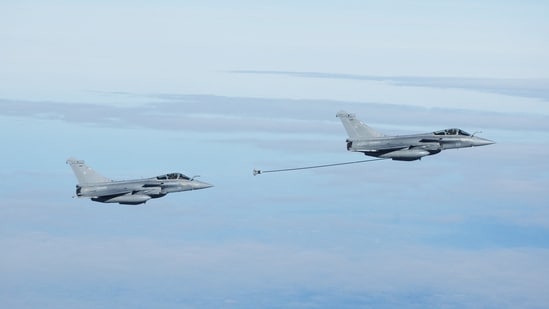
At its core, the MRFA or Multi-Role Fighter Aircraft model represents India’s renewed push for defense indigenization. It is not just about assembling imported parts; rather, it aims for a substantial degree of local manufacturing, including critical components. For years, India has been one of the world’s largest importers of defense equipment. Programs like MRFA seek to reverse this trend, fostering a robust domestic defense industrial base. The Rafale, a twin-engine, canard-delta wing, multi-role fighter aircraft manufactured by Dassault Aviation, has already proven its mettle in the Indian Air Force with the delivery of 36 jets under a previous agreement. This new proposal focuses on acquiring a larger fleet, potentially 114 aircraft, with the key difference being their production predominantly within India.
The underlying philosophy is straightforward for a 12th-grade student to grasp: instead of just buying ready-made airplanes from another country, India wants to learn how to make them itself. This means French engineers and Indian engineers would work together. They would build factories, train workers, and slowly but surely, more and more parts of the plane would be made right here in India. This isn’t just about screws and bolts; it’s about sophisticated electronics, avionics, and even parts of the airframe.
The “Made in India” Imperative for Defense
The drive for “Made in India” in defense goes beyond mere economics; it’s a strategic necessity. Dependence on foreign suppliers can create vulnerabilities, especially during geopolitical tensions. By manufacturing advanced platforms like the Rafale domestically, India aims to reduce import reliance, enhance self-sufficiency, and ensure uninterrupted supply chains for maintenance, repair, and overhaul (MRO) services. This approach promises greater control over proprietary technologies and fosters an environment for continuous upgrades and modifications tailored to India’s unique operational requirements.
Local manufacturing also ensures better long-term sustainment for the fleet. When parts break or need an upgrade, instead of waiting for shipments from abroad, India would have the capability to produce or repair them faster. This means planes spend less time on the ground and more time in the air, ready for action. It’s about building a strong foundation for future defense needs.
Dassault Aviation and Potential Local Partners
Dassault Aviation, the renowned French aerospace company, brings decades of expertise in designing and manufacturing high-performance combat aircraft. For the MRFA model, the crucial element is identifying a suitable Indian partner. While Hindustan Aeronautics Limited (HAL), the state-owned aerospace behemoth, is a traditional frontrunner given its extensive experience in aircraft production and maintenance, private sector players are also keenly vying for this opportunity. Companies like Tata Advanced Systems and Mahindra Defence, which have significantly invested in aerospace and defense manufacturing capabilities, are potential contenders.
The choice of partner will hinge on several factors: existing infrastructure, manufacturing prowess, financial robustness, and the ability to absorb and implement complex technology transfers. The partnership structure is likely to be a joint venture, where technology know-how, training, and critical manufacturing processes are shared and established in India. This collaboration is not merely transactional; it’s about building enduring capabilities.
Benefits for India’s Economy and Workforce
The local production of Rafales under the MRFA model promises substantial economic advantages. It would create thousands of skilled jobs, not just directly in the assembly lines but also across a wide ecosystem of ancillary industries. Indian companies specializing in precision engineering, electronics, software, and composite materials would find new avenues for growth, becoming part of the global supply chain for advanced aerospace components. This technology transfer would elevate India’s manufacturing standards and capabilities, fostering a culture of innovation and high-tech production.
Think of it this way: when you build a car factory in a town, it’s not just the car factory that benefits. Small shops that make tires, seats, or electronics also get business. The same goes for building fighter jets. It creates a whole ecosystem of jobs for engineers, technicians, and even people in logistics and support services. It’s a huge boost to the local economy and skill development.
Navigating Challenges and Future Prospects
Despite the immense benefits, the path to local Rafale production is not without its challenges. Negotiating the terms of technology transfer, ensuring stringent quality control standards, managing costs effectively, and adhering to strict timelines will require meticulous planning and execution. Intellectual property rights and the level of indigenization achievable in the initial phases will also be key discussion points. However, successfully implementing the MRFA model would mark a significant milestone for India’s defense manufacturing prowess, positioning the nation as a credible global player in aerospace production.
This endeavor aligns perfectly with India’s long-term vision of becoming a net security provider in the Indian Ocean Region and a significant exporter of defense equipment. By mastering the production of such advanced aircraft, India strengthens its strategic position and reduces its reliance on others for critical military hardware. Omni 360 News will continue to monitor developments on this crucial national project.
Key Takeaways:
* The MRFA model aims for in-country production of Rafale jets by Dassault Aviation and an Indian partner.
* It signifies a major push for India’s defense indigenization, reducing reliance on foreign imports.
* Local manufacturing will create jobs, foster technology transfer, and boost India’s industrial capabilities.
* Challenges include technology negotiation, cost management, and quality assurance.
* Successful implementation is critical for India’s strategic autonomy and its ambition to become a global defense manufacturing hub.