LPG Supply Still A Matter Of Concern: Central Government
Middle East Tensions Ignite India’s Kitchen Gas Crisis Acknowledged
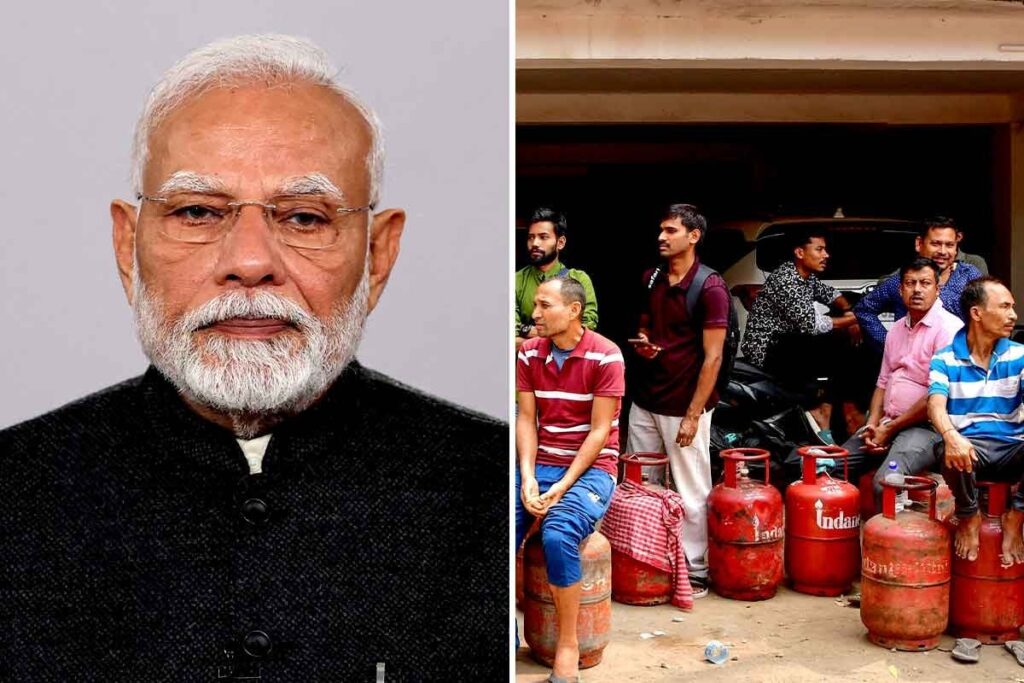
For weeks, whispers of dwindling cooking gas supplies have circulated through neighbourhoods and local markets across India. Now, after initial reassurances, the Narendra Modi government has openly acknowledged a nationwide gas shortage, directly linking it to the escalating conflict in the Middle East. This admission marks a significant shift from earlier declarations by top officials, highlighting the far-reaching impact of global events on the everyday lives of citizens, from bustling city restaurants to quiet village homes.
India’s Critical Dependency on Imported LPG
India stands as the world’s second-largest consumer of Liquefied Petroleum Gas, or LPG. This fuel, primarily used for cooking, powers millions of Indian kitchens, making its consistent availability a matter of national importance. A staggering 90 percent of India’s LPG imports traverse through the Strait of Hormuz, a narrow yet critically important sea passage. This strait acts as the main artery for much of the world’s oil and gas trade, making it a geopolitical hotspot whose stability directly influences global energy markets. Any disruption in this vital waterway sends ripples across continents, eventually finding their way into the homes of ordinary families.
From Denial to Admission A Shifting Official Stance
Just a few days prior, Union Petroleum Minister Hardeep Singh Puri had confidently asserted that India possessed ample crude oil reserves and that the supply of both oil and gas remained normal. He emphasised that India was insulated from the global fuel crisis triggered by the ongoing conflict. However, the narrative took a sharp turn. A senior government official, speaking to journalists, detailed the current predicament. The official clarified that while no distribution centres had completely run out of gas, a surge in panic bookings had significantly amplified the existing problem. The numbers paint a clear picture: a staggering 8.8 million bookings were made recently, a clear indication of public anxiety and a rush to secure supplies.
This evolving stance from the government underscores the dynamic nature of the situation. While initial statements aimed to quell fears and maintain public confidence, the on-ground realities and the sheer volume of bookings necessitated a more direct acknowledgement of the challenges faced.
The Human Impact Panic, Prices, and Practicalities
The acknowledged gas shortage is not merely an abstract figure or a political talking point; it’s a tangible challenge impacting millions. Across the country, ordinary people are reporting significant delays and difficulties when trying to book gas cylinders. This frustration translates into long waiting periods and uncertainty, disrupting daily routines and household budgets. Hotels and restaurants, particularly smaller establishments that rely heavily on LPG for their operations, are feeling the pinch even more acutely. Many are facing the grim prospect of scaling down operations or, in some unfortunate cases, shutting down entirely.
To mitigate the immediate crisis and discourage panic buying, the government has taken a step to increase the booking interval for LPG cylinders. Previously set at 21 days, this period has now been extended to 25 days. The logic is simple: by increasing the time between bookings, the authorities hope to curb the impulsive hoarding of cylinders, allowing for a more even distribution of available stock. This measure, while necessary, adds another layer of inconvenience for consumers already struggling with uncertainty.
The situation has also led to unfortunate consequences, with a rise in unethical practices. The government official highlighted a troubling trend of unscrupulous traders engaging in the black marketing of gas cylinders. Taking advantage of public desperation, these individuals charge exorbitant prices for essential cooking fuel. Authorities, including our observers at Omni 360 News, report that consistent raids are being conducted to curb these illegal activities and ensure fair access for everyone.
In response to the scarcity and rising concerns, there’s been a noticeable surge in the demand for electric cooking appliances, such as induction cooktops. Households are actively seeking alternative methods to prepare meals, reflecting a pragmatic adaptation to the current challenges. This shift, while offering a temporary solution, also represents an added financial burden for many families already grappling with economic pressures.
The Geopolitical Lifeline Strait of Hormuz and Iran
The root of India’s current predicament lies squarely in the Middle East. The Strait of Hormuz, through which the vast majority of India’s LPG imports travel, has been a focal point of tensions. While earlier reports indicated that Iran had closed this critical waterway, recent developments suggest a nuanced situation. It has been reported that Indian-flagged vessels have now received clearance from Tehran to pass through the strait. This development, while potentially easing transit for some shipments, does not fully alleviate the broader anxieties. The lingering conflict and the heightened risk associated with shipping in the region can lead to higher insurance premiums for vessels, longer rerouting for security, and increased operational costs, all of which contribute to the overall unpredictability of supply and higher prices.
Beyond the Cylinder Economic Ripple Effects
The gas shortage isn’t confined to just the kitchen; its economic repercussions spread wider. Small businesses, eateries, and even certain industries reliant on LPG as a fuel source are facing operational hurdles. This directly impacts livelihoods and can contribute to inflationary pressures, as businesses pass on increased costs to consumers. The additional expenditure on alternatives or higher-priced black-market cylinders places a significant strain on already tight household budgets, particularly for low and middle-income families.
Government’s Strategy and Public Responsibility
The government’s strategy hinges on a two-pronged approach: managing immediate demand and cracking down on malpractices. The call for prudent booking, urging citizens to book only as per their genuine requirement rather than hoarding, is crucial to stabilise the supply chain. Simultaneously, the assurance that no distribution centres are entirely without gas aims to temper panic. The ongoing raids against black marketers underscore a commitment to maintaining equity in distribution. However, the success of these measures will largely depend on sustained vigilance and public cooperation.
Looking Ahead Navigating Uncertainty
As the Middle East conflict continues to unfold, India faces a critical need to fortify its energy security. While short-term measures address immediate concerns, the episode highlights the vulnerability inherent in over-reliance on a single geopolitical hotspot for essential resources. Exploring diversified import routes, investing in domestic energy production, and promoting renewable energy sources will be vital steps towards building a more resilient energy framework for the nation. The present challenges serve as a stark reminder that global events, however distant, have profound and immediate implications for everyday life within India.
Key Takeaways
- India’s government has formally acknowledged a nationwide LPG shortage, attributing it to the Middle East conflict.
- Despite an earlier denial, panic bookings (8.8 million recently) have exacerbated supply issues, prompting a booking interval extension from 21 to 25 days.
- India, the second-largest LPG buyer, heavily relies on the Strait of Hormuz for 90% of its imports, a waterway affected by regional tensions.
- While Indian vessels are now cleared through the Strait of Hormuz, the conflict’s broader impact on shipping costs and security remains.
- The shortage has led to black marketing, prompting government raids, and increased demand for electric cooking alternatives like induction cooktops.
- The crisis underscores India’s energy import vulnerabilities and the need for long-term energy security strategies.