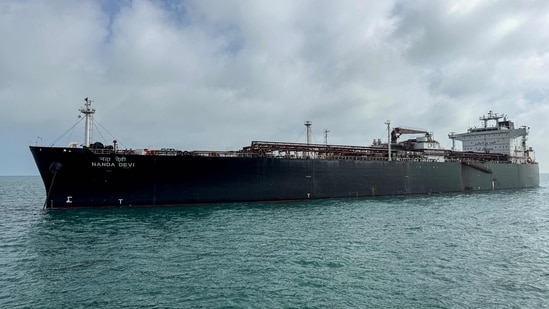
India's second LPG tanker Nanda Devi arrives at Gujarat's Kandla port after passing Strait of Hormuz| India News
Strait of Hormuz Shipping Lane Tensions Global LPG Supply Implications Key Takeaways
The waters of the Strait of Hormuz, a narrow passage connecting the Persian Gulf to the open ocean, remain a vital artery for global energy. This waterway, often out of the public eye, carries a silent weight – the economic stability of nations and the daily comforts of millions. Recent escalations and ongoing security concerns in this critical chokepoint spotlight the immense fragility of the global supply chain, with implications stretching far beyond the Middle East.
Consider for a moment the Indian-flagged medium-range carrier, MT Nanda Devi. While it might appear as just another vessel navigating these busy seas, its cargo underscores the colossal stakes involved. The liquefied petroleum gas, or LPG, it typically carries is not merely fuel; it represents an energy lifeline for households and industries across Asia. To put its capacity into perspective, the LPG aboard a ship like the MT Nanda Devi is enough to fill approximately 3.3 million standard 14.2 kilogram cylinders. That’s a staggering volume, directly impacting cooking, heating, and industrial processes in countries heavily reliant on these imports.
The Strait of Hormuz isn’t just another shipping lane; it’s arguably the world’s most important oil transit chokepoint. Every day, a significant portion of the world’s seaborne crude oil and petroleum products, including vast quantities of LPG, passes through its narrow waters. Its strategic location means any disruption here – be it political tension, security incidents, or navigational hazards – sends ripples across global energy markets, influencing everything from fuel prices at the pump to the cost of basic commodities.
For nations like India, a major importer of LPG, the uninterrupted flow through the Strait is non-negotiable. Indian energy companies regularly charter vessels that navigate this route, ensuring a steady supply to meet domestic demand. Local business journals and shipping advisories frequently highlight the delicate balance required to maintain these vital connections. Any slowdown or increased risk translates into higher insurance premiums for shipping companies, costs that are ultimately passed on to consumers. An increase in maritime insurance rates, even a slight one, can add millions to the cost of importing essential energy.
Geopolitical complexities surrounding the Strait are long-standing. Regional rivalries and international power dynamics often converge here, creating an environment ripe for instability. While specific incidents might grab headlines, it is the persistent underlying tension that keeps maritime security forces on high alert. For global news analysis, Omni 360 News frequently tracks these developments, recognizing their profound implications for world trade and stability. The ongoing presence of naval assets from various nations speaks to the shared concern over maintaining freedom of navigation.
The human element in this complex equation cannot be overlooked. The thousands of seafarers on vessels like the MT Nanda Devi perform their duties under the constant shadow of these geopolitical uncertainties. Their tireless work ensures that homes are heated, meals are cooked, and factories continue to operate, often in challenging conditions. The well-being of these crews and the safe passage of their cargo are paramount, transcending national borders.
Beyond the immediate concerns of supply, these tensions underscore the interconnectedness of the global economy. A spike in LPG prices due to shipping risks in the Strait doesn’t just affect household budgets; it can slow down economic growth in developing nations, impacting small businesses and industries that rely on affordable energy. Diversifying supply routes and strengthening international cooperation for maritime security become critical strategies in mitigating these risks.
Key Takeaways:
* The Strait of Hormuz is an indispensable chokepoint for global energy, particularly LPG.
* The vast cargo capacity of vessels like the MT Nanda Devi illustrates the sheer scale of essential energy resources at risk.
* Ongoing geopolitical tensions in the region translate directly into economic vulnerabilities, affecting energy prices and supply chains worldwide.
* Maintaining stability and ensuring the safety of maritime trade in the Strait is crucial for the economic well-being and daily lives of billions.
* The human cost, from seafarers to consumers, highlights the urgency of diplomatic solutions and robust international cooperation.