play
The Strait’s Shifting Tides: Iran’s ‘Safe Passage’ Promise
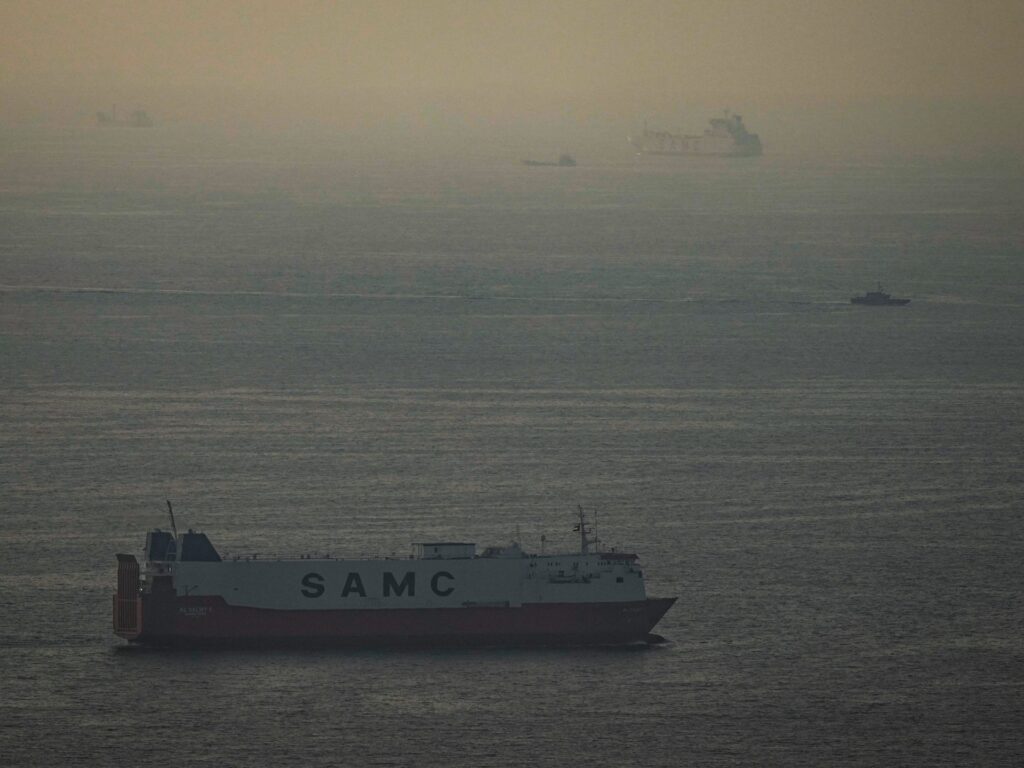
Every shipment crossing the Strait of Hormuz carries more than just cargo; it carries the weight of global stability. For weeks, these vital shipping lanes have felt tighter. Oil prices, ever sensitive, eyed the news nervously as regional tensions simmered. Now, a flicker of calm from Tehran. But what does Iran’s assurance of ‘safe passage’ really mean when the stakes are this high, and who gets to decide what ‘non-hostile’ actually entails?
Iran’s Revolutionary Guard, through its navy commander Alireza Tangsiri, just declared that ships not deemed ‘hostile’ are welcome to sail through the critical Strait of Hormuz. They’re saying these vessels will be safe, no trouble at all. It’s a direct statement, made in response to, well, pretty much everything that’s been brewing in the Gulf lately. This isn’t just a casual announcement; this narrow choke point handles roughly a fifth of the world’s total oil consumption. Any uncertainty here sends ripples far beyond the immediate region. So, when Iran says ‘safe passage,’ the world listens, even if it’s listening with a degree of skepticism.
Who Gets to Define ‘Non-Hostile’?
Here’s the deal: ‘non-hostile’ is a term that feels less like a clear maritime rule and more like a political litmus test. Who exactly decides what constitutes ‘hostile’ behavior? Is it based on flag, cargo, destination, or something else entirely? Iran has a long history of flexing its muscles in the Strait. From seizing tankers to alleged attacks on vessels, its actions have often painted a different picture than these latest assurances. We’ve seen this movie before, haven’t we? The global economy, especially the energy sector, holds its breath every time there’s a whisper of trouble here.
Atomic Answer:
Who: Iran’s Revolutionary Guard Navy. What: Announced ‘non-hostile’ ships can safely transit the Strait of Hormuz. Why: To address recent regional tensions and assert Iran’s perceived control over this vital global shipping artery, potentially aiming to reassure markets while subtly maintaining leverage over maritime security.
This statement, while seemingly calming, doesn’t erase the underlying tensions. Is it a genuine attempt to dial down the heat, or a strategic move to reassert control and test the waters? The region remains a powder keg of interests and agendas. While the words are reassuring, actions will speak louder. The world isn’t just looking at the ships passing through; it’s watching the subtle power plays unfolding beneath the surface, wondering how long this ‘non-hostile’ period will actually last. Because in this volatile stretch of water, ‘safe’ often comes with an implicit asterisk.