Iran punishing UAE for supporting US and moderation| India News
**Enduring Regional Jitters After Iranian Retaliation Phase Shifts**
The Middle East remains on edge. Eighteen days after Iran launched its direct retaliatory strikes, the immediate, high-intensity phase appears to have receded. Yet, for Gulf nations and Israel, the underlying threat landscape has merely evolved, not dissipated. A fragile calm has settled, but regional security analysts and local populations understand that the risk of escalation or miscalculation persists, casting a long shadow over stability. Omni 360 News examines the intricate dynamics of this ongoing tension.
For those tracking regional developments, understanding the recent sequence of events is crucial. The initial Iranian response, characterized by waves of drones and missiles aimed at Israel, followed an incident in Damascus. This move marked a significant departure from past proxy conflicts, shifting directly between state actors. While the immediate attacks were largely intercepted, courtesy of advanced air defense systems and international cooperation, they shattered long-held assumptions about red lines in the region.
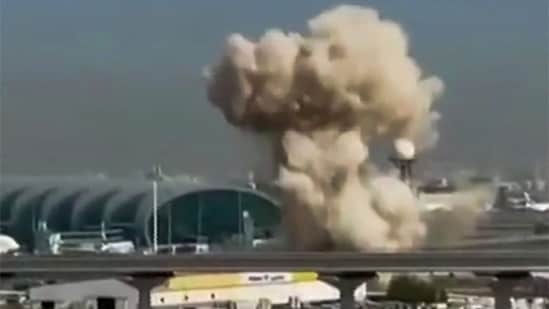
Local reports from across the Gulf countries during that initial period conveyed a palpable sense of anxiety. Citizens watched their skies, and governments issued reassurances while subtly enhancing their own defense postures. Flights were rerouted, and maritime traffic faced new uncertainties. The rapid-fire nature of the initial days demanded swift responses and highlighted the interconnectedness of regional security.
Now, eighteen days on, the visible intensity has diminished. The barrage of direct strikes has not been repeated. This doesn’t, however, signal a return to pre-retaliation normalcy. Instead, the situation has shifted to a more nuanced, but equally dangerous, phase of strategic waiting and renewed vigilance. It’s like a storm moving offshore; the immediate danger has passed, but the sea remains rough, and another squall could form quickly.
For the Gulf Cooperation Council (GCC) nations – countries like Saudi Arabia, the United Arab Emirates, Bahrain, and Qatar – the threat remains multifaceted. Firstly, there’s the enduring concern over maritime security in vital shipping lanes, particularly the Strait of Hormuz. Any disruption here could cripple global energy markets and profoundly impact their economies. Local news outlets in these nations frequently highlight the importance of secure trade routes, echoing broader worries among their business communities.
Secondly, the possibility of proxy engagements flaring up elsewhere continues to be a major worry. While direct state-on-state confrontation might be less probable in the short term, Iranian-backed groups in various parts of the region could be activated, leading to destabilizing actions that would reverberate across borders. From Yemen to Iraq, and even further afield, these networks present a constant, unpredictable element. Many Gulf states are actively pursuing diplomatic channels, urging de-escalation and advocating for regional dialogue to avert further crises. Their calls for restraint are a common theme in regional political discourse.
For Israel, the threat paradigm is similarly complex. Beyond the immediate missile defense challenge, the deeper concern centers on Iran’s continued missile and drone capabilities, coupled with its evolving nuclear program. Local Israeli defense commentators often emphasize the need for sustained readiness and the importance of intelligence gathering to pre-empt potential future attacks. The recent events have reinforced the necessity of robust deterrence and the strategic alliances that bolster their defense. While the direct exchanges have quieted, the rhetoric from both sides underscores a deeply entrenched antagonism.
What this period of decreased intensity truly signifies is a recalibration. Regional players, from Riyadh to Tel Aviv, are likely assessing the effectiveness of their responses, reviewing intelligence, and adjusting their long-term strategies. It’s a period of quiet diplomacy alongside heightened military preparedness. The international community, too, watches closely, aware that the Middle East is a powder keg where even a small spark can ignite widespread conflict.
In essence, while the immediate drama of direct confrontation has subsided, the danger hasn’t vanished. It has simply mutated into a more insidious, simmering tension. The landscape of threats now encompasses not just direct attacks, but also economic disruptions, proxy provocations, and the ever-present risk of misjudgment. As one seasoned local analyst recently put it, “The volume has been turned down, but the music hasn’t stopped playing.” For Omni 360 News, vigilance remains key in observing these evolving regional dynamics.
Key Takeaways:
* The immediate, high-intensity phase of Iranian retaliation has concluded, but the underlying tensions persist.
* Gulf nations face ongoing threats related to maritime security, potential proxy actions, and economic stability.
* Israel remains vigilant against Iran’s direct military capabilities and broader regional influence.
* The current period is characterized by strategic reassessment, quiet diplomacy, and heightened military readiness across the region.
* Miscalculation remains a significant risk, emphasizing the fragile nature of regional stability.