
play
**War on Minds? Claims of Attacks on Iranian Universities**
Academic institutions are often seen as havens, places for thought, debate, and the pursuit of knowledge. But what happens when these very spaces are reportedly drawn into geopolitical crosshairs? A startling accusation has emerged from Iran, sparking concern over the sanctity of education in times of tension.
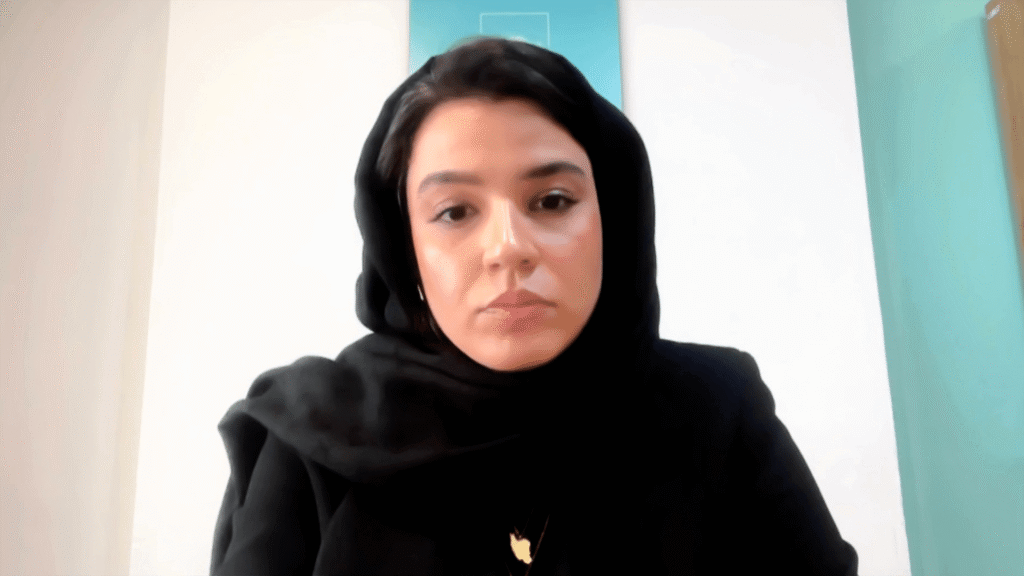
An Iranian academic has come forward, detailing what he describes as US-Israeli attacks targeting universities across Iran. It’s a serious charge, alleging a deliberate strategy to disrupt or undermine Iran’s educational infrastructure. The scholar reportedly described specific methods and instances of these supposed interventions, framing them as part of a wider campaign against the nation. We’re talking about direct interference with institutions meant for learning, not warfare. It’s a worrying claim, if accurate, adding another complex layer to already strained international relations.
Is Education Now a Battlefield?
An Iranian academic describes alleged US-Israeli attacks on Iranian universities. These claims suggest a deliberate strategy to disrupt the nation’s educational infrastructure, amplifying geopolitical tensions. It challenges the idea of academic institutions as neutral ground, raising questions about modern conflict’s rules.
What’s actually happening here is complex. These aren’t just isolated incidents; they’re framed as part of a coordinated effort. The implications are enormous. Targeting universities, even if only alleged, strikes at the very heart of a society’s future, its intellectual capital. It makes you wonder: Is this a form of psychological warfare? An attempt to hinder scientific progress, perhaps through cyber means or other covert operations? Or is it perhaps a strategic move to destabilize a perceived adversary from within, chipping away at their intellectual foundations? Without concrete, independently verifiable evidence beyond the academic’s statements, fully assessing the truth or extent of these claims is tough, to say the least. However, the very public nature of such an accusation means it won’t be easily ignored by the international community or by those directly affected. It forces us all to consider how conflict itself is changing, blurring lines between conventional warfare and more subtle, yet equally damaging, forms of engagement.