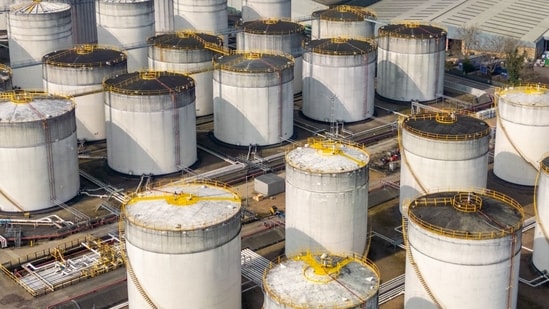
Iranian oil is offered to India at a premium to Brent after temporary US waiver: Report| India News
India’s Energy Journey Beyond Iranian Oil A Four-Year Perspective
India, a nation bustling with economic activity and a rapidly growing population, stands as the world’s third-biggest oil importer and consumer. Ensuring a steady, affordable supply of crude oil is not merely an economic necessity but a cornerstone of its national security and development. For decades, Iran played a significant role in meeting India’s energy demands, a partnership built on geographical proximity, historical ties, and favorable trade terms. However, this established flow came to an abrupt halt in May 2019, fundamentally reshaping India’s energy procurement landscape. Omni 360 News delves into the implications and adaptations India has undertaken since this pivotal shift.
The Historical Bond and Its Disruption
For years leading up to 2019, Iran was a reliable and often preferred supplier of crude oil for India. Its proximity across the Arabian Sea meant lower freight costs, and the quality of its crude was well-suited for several Indian refineries. Crucially, Iran often offered attractive payment terms, including the option for India to pay in rupees, circumventing currency exchange challenges and easing trade flows. This arrangement benefited both nations, deepening their bilateral economic ties.
The scenario, however, began to shift dramatically with the United States’ decision in May 2018 to withdraw from the Joint Comprehensive Plan of Action (JCPOA), commonly known as the Iran nuclear deal. Following this, the US administration reimposed and escalated sanctions targeting Iran’s oil sector, aiming to exert “maximum pressure” on Tehran. While some countries, including India, initially received waivers to continue limited imports, these exemptions were eventually allowed to expire. Faced with the stark choice between complying with stringent US sanctions and maintaining its access to the global financial system, India made the difficult decision to cease all oil imports from Iran by May 2019. This marked a significant pivot in India’s energy strategy, forcing a rapid recalibration of its supply chains.
Navigating the Supply Vacuum India’s Diversification Strategy
The immediate challenge for India was to fill the substantial void left by Iranian crude. Refiners, who had configured their facilities to process specific grades of Iranian oil, had to quickly seek alternatives. This necessity spurred a vigorous diversification drive, pushing India to broaden its sourcing basket significantly. Major suppliers like Saudi Arabia, Iraq, and the United Arab Emirates stepped up to fill a significant portion of the gap. These traditional Middle Eastern producers, already major players in India’s import portfolio, increased their shipments, leveraging their capacity and existing trade relationships.
Beyond its traditional partners, India also turned towards newer, more distant sources. The United States emerged as a notable supplier, with crude oil imports from the US seeing a marked increase in the years following 2019. This strategic shift not only helped secure India’s energy needs but also strengthened its broader economic and strategic partnership with Washington. More recently, geopolitical realignments and favorable pricing have led to a surge in imports from Russia, further diversifying India’s energy portfolio away from its earlier concentration. This wide-ranging approach underscores India’s commitment to energy security through multiple avenues, ensuring no single disruption can cripple its vital crude supply.
Economic Ripple Effects and Refining Adjustments
The cessation of Iranian oil imports was not without its economic ramifications for India. While the country successfully diversified its sources, the shift often meant higher landed costs for crude due to increased freight charges from more distant suppliers. Indian refineries, particularly those on the west coast, had to invest in reconfiguring their operations to efficiently process different crude grades. This adaptation required technical expertise and financial outlay, though it also enhanced their flexibility in the long run.
Furthermore, the previous rupee payment mechanism with Iran offered a significant advantage by reducing exposure to dollar fluctuations. Replacing this with dollar-denominated purchases from other suppliers meant a larger foreign exchange outflow for crude imports, impacting India’s current account balance. Local news reports from various business dailies in Mumbai and Chennai at the time highlighted concerns among refiners about these operational and financial adjustments. Despite these challenges, India’s energy sector demonstrated remarkable resilience, adapting swiftly to the changed global dynamics.
Geopolitical Balancing Act
India’s decision to halt Iranian oil imports underscored the complex tightrope walk it often undertakes in international relations. While New Delhi historically maintains robust strategic autonomy and non-alignment, its deep economic and strategic ties with the United States necessitated compliance with the sanctions regime. This was a pragmatic choice aimed at safeguarding India’s broader economic interests and maintaining access to critical technologies and financial markets, rather than a deliberate turning away from Iran.
Even as oil imports ceased, India has continued to engage with Iran on other fronts, including through the development of the Chabahar Port, which remains crucial for India’s connectivity to Afghanistan and Central Asia, bypassing Pakistan. This demonstrates India’s strategy of compartmentalizing its engagements, separating energy trade from other strategic interests where possible. The ongoing geopolitical landscape, marked by evolving US-Iran relations and global energy market volatility, means India consistently monitors opportunities and challenges, ever ready to adjust its strategies.
Key Takeaways for Omni 360 News Readers:
* Energy Diversification: India significantly broadened its crude oil sourcing, moving beyond traditional suppliers to include new partners like the US and, more recently, Russia, enhancing its energy security.
* Economic Adaptations: Indian refiners adjusted to processing new crude grades, incurring initial costs but gaining long-term operational flexibility. The shift also meant increased dollar-denominated payments for oil.
* Geopolitical Pragmatism: India navigated a complex geopolitical situation, balancing its relationship with the US and compliance with sanctions while preserving other strategic interests with Iran, such as the Chabahar Port.
* Resilience in Supply: Despite the abrupt halt of a significant supply source, India’s energy sector demonstrated robust resilience and adaptability, ensuring uninterrupted fuel supply to its growing economy.
* Ongoing Vigilance: India continues to closely monitor global energy markets and geopolitical developments, maintaining a flexible and proactive approach to its long-term energy needs.
Conclusion:
The period since May 2019 has been a profound lesson in energy geopolitics for India. The cessation of Iranian oil imports, driven by external pressures, forced India to rethink and reconfigure its energy strategy. What emerged is a more diversified, resilient, and strategically agile approach to securing its vital oil supplies. While the immediate transition presented challenges, India’s proactive measures have ensured its energy security remains robust, adapting to the shifting sands of global politics and economics. This narrative highlights India’s steady pursuit of its national interests amidst a complex international environment, a story Omni 360 News will continue to track.