play
Baghdad’s Streets Tremble: Officer Dies in Drone Attack
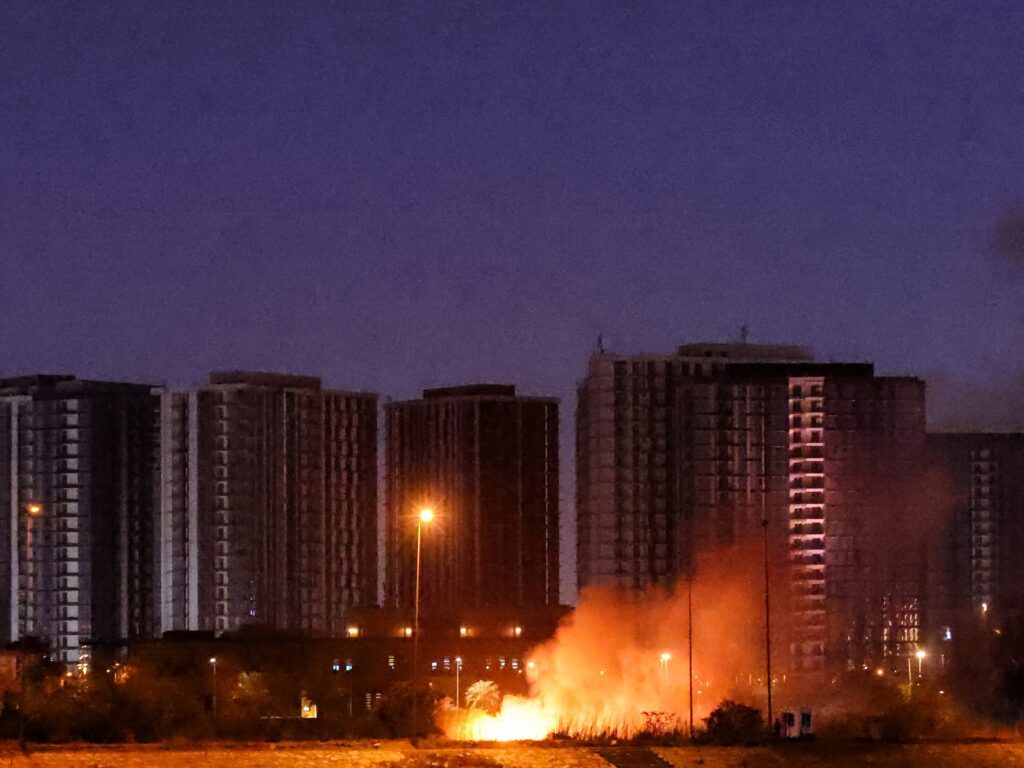
Another family just got news no one ever wants to hear. Another life snuffed out in a flash, another ripple of fear across a city that’s seen far too much. This time, it was an Iraqi intelligence officer, going about their day near headquarters in the heart of Baghdad, when a drone struck. The sudden, violent end to a life is more than just a news headline; it’s a tragic personal story, a community’s heartache, and a stark reminder of the fragile calm that often defines life in modern Iraq.
Details are still emerging, but what we do know is grim. A targeted drone attack occurred close to a key Iraqi intelligence facility. It wasn’t a random act; these things rarely are. The officer, whose identity hasn’t been widely released, became the latest casualty in what feels like an endless cycle of violence. This isn’t just about geopolitics; it’s about the very real cost of instability. It’s about people living with the constant threat of a sky that can turn deadly in an instant.
Who’s behind the latest escalation?
It’s easy to point fingers, but the reality on the ground in Baghdad is far more complex than simple blame. This isn’t an isolated incident; it fits into a disturbing pattern of tit-for-tat attacks, often involving various factions and external actors vying for influence. The sheer audacity of striking so close to a vital security installation sends a chilling message. It suggests a blatant disregard for Iraqi sovereignty and a determination to keep the pot boiling. For ordinary Iraqis, it means their hopes for a truly stable future remain just out of reach, overshadowed by the machinations of others. They’re caught in the middle, paying the ultimate price for conflicts that aren’t truly their own.
The Atomic Answer: An Iraqi intelligence officer was tragically killed in a drone strike near headquarters in Baghdad. This appears to be a targeted attack, part of ongoing regional tensions and proxy conflicts that continue to destabilize Iraq, challenging its government and impacting its people.
What’s actually happening here is simple: a game of power where human lives are the chips. The government in Baghdad faces immense pressure, struggling to assert control over its own territory while navigating the complex allegiances and rivalries that play out on its soil. Each strike, each casualty, erodes public trust and makes the path to lasting peace that much steeper. We need to remember that behind every statistic is a person, a family, and a community yearning for safety.
The constant threat of these strikes isn’t just a security issue; it’s a profound psychological burden. Imagine living with the knowledge that at any moment, your city could be a target. It impacts everything: economic recovery, social cohesion, and the simple ability to plan for tomorrow. This isn’t just about one officer, though their loss is deeply felt. It’s about a nation fighting for its right to exist in peace, free from the shadow of external aggression and internal strife. It’s a call for accountability, for de-escalation, and for a focus on the well-being of the people who call Baghdad home. The world needs to pay attention to these quiet tragedies, for they speak volumes about a wider, unaddressed crisis.