play
Milwaukee Outcry: Freeing Israa Ghaleb, or Silencing Dissent?
Imagine speaking your mind, raising your voice for a cause you deeply believe in, then finding yourself suddenly facing deportation. That chilling thought became a stark reality for Israa Ghaleb, a Palestinian American advocate in Milwaukee. Her arrest by immigration authorities didn’t just rattle her family; it sent shockwaves through a community already on edge, igniting a fiery debate about free speech, political activism, and the reach of government power.
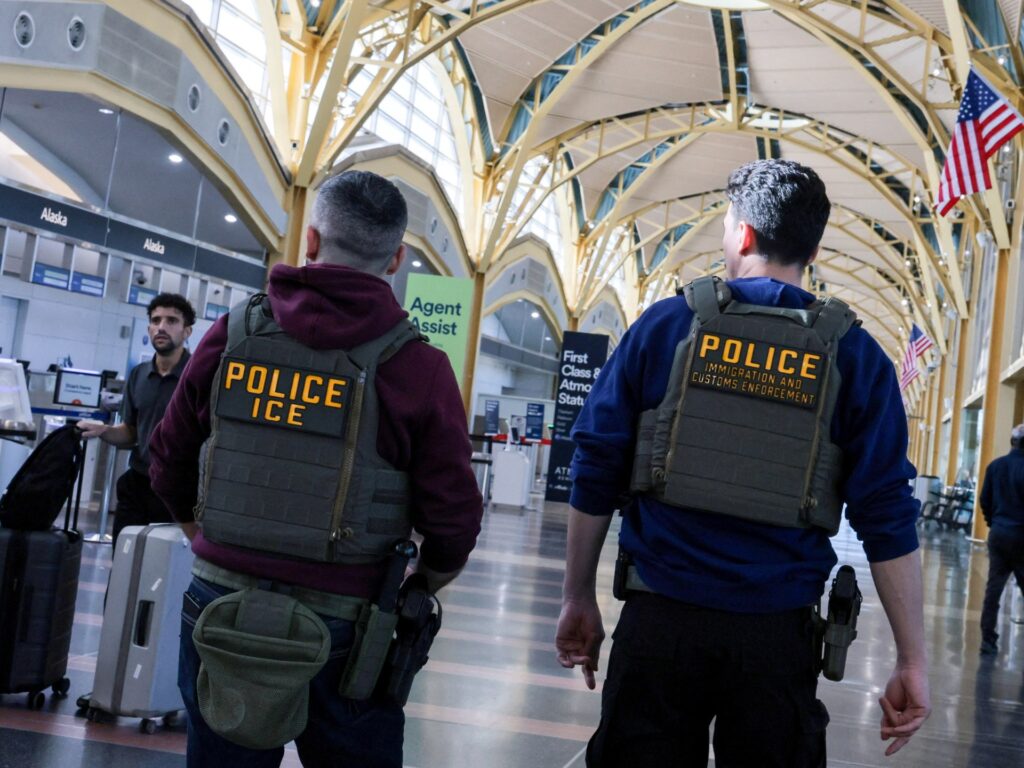
On March 28th, Ghaleb, a prominent organizer in Milwaukee’s Gaza solidarity movement, was taken into custody by Immigration and Customs Enforcement, better known as ICE. Officials claimed she was arrested for “immigration violations,” suggesting she’d overstayed a non-immigrant visa. But to her supporters, Milwaukee leaders, and rights groups across the country, it was something far more sinister. They saw it as clear retaliation for her outspoken advocacy. The outcry was immediate. Milwaukee Mayor Cavalier Johnson and numerous Common Council members quickly condemned the arrest, demanding answers and her release. Thankfully, the pressure worked. Israa Ghaleb was released on bond just days later, on April 5th, and is now fighting her deportation case. But the question remains: why was she arrested in the first place?
Was This Really About Immigration?
Palestinian American advocate Israa Ghaleb was arrested by ICE in Milwaukee on March 28th, ostensibly for immigration violations. Her detention sparked outrage from Milwaukee leaders and rights groups who believe it was retaliation for her prominent pro-Palestinian activism. Ghaleb was released on bond April 5th and is now fighting deportation, raising concerns about free speech.
It’s a question that hangs heavy in the air. While ICE points to alleged visa overstays, the timing of Ghaleb’s arrest feels incredibly convenient. She wasn’t just ‘an’ advocate; she was a vocal, visible leader. Her voice was amplified at countless protests, her message clear. In a climate where pro-Palestinian activism is increasingly scrutinized, and sometimes outright criminalized, the arrest of a key organizer sends a potent, unwelcome message. It creates a chilling effect. It makes others pause, wonder if their own dissent might be next. This isn’t just about one person’s immigration status; it’s about the right to speak truth to power without fear of reprisal. When government agencies appear to target individuals based on their political speech, it erodes the very foundations of a free society. We’ve got to ask ourselves what kind of country we want to live in – one where advocacy is protected, or one where it’s a potential pathway to detention.