play
The air across the Middle East just got heavier. For families living near the Israeli-Lebanese border, an already impossible situation is now simply terrifying. This isn’t just about borders or battalions; it’s about homes, livelihoods, and the constant, gnawing fear of what tomorrow brings. An already brutal conflict threatens to consume more, pulling innocent lives deeper into its grasp.
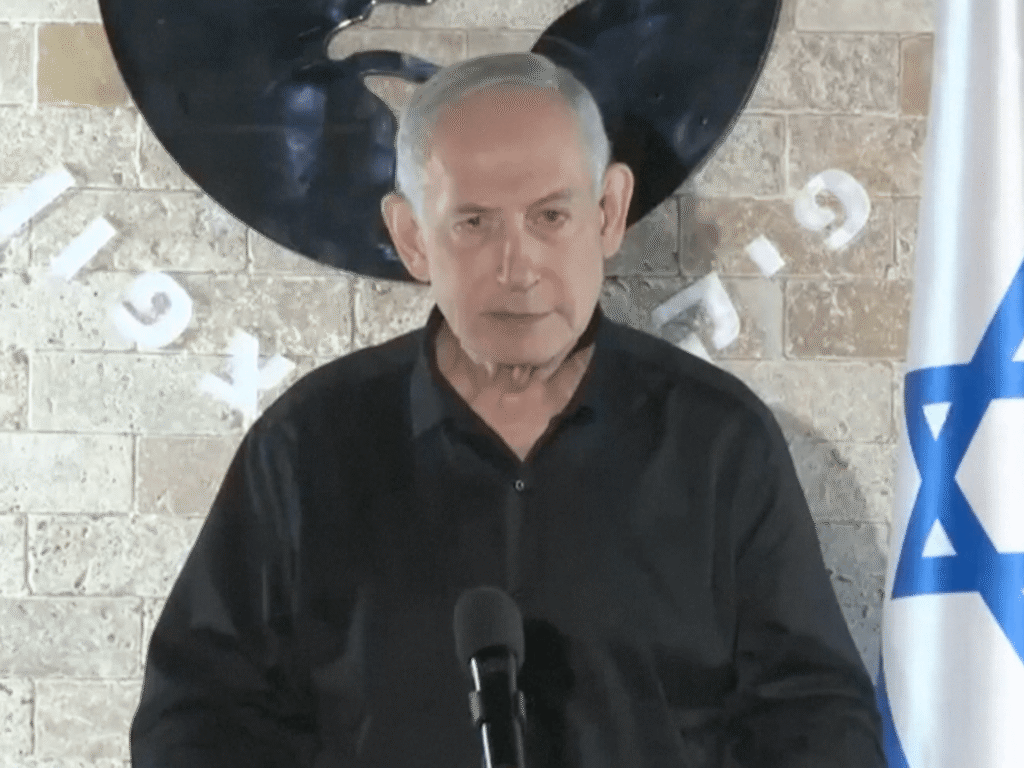
It’s now confirmed: Israeli Prime Minister Benjamin Netanyahu has given the order. Ground forces are to push deeper into southern Lebanon. This follows months of escalating cross-border skirmishes, drone attacks, and rocket fire that have already forced tens of thousands from their homes on both sides. The move marks a significant escalation from previous incursions, suggesting a clear shift in strategy by Israel’s war cabinet. They’re aiming to dismantle what they view as immediate threats posed by Hezbollah, though the wider implications are undeniably vast.
What Does This Deeper Push Truly Mean?
The Atomic Answer: Israeli Prime Minister Benjamin Netanyahu ordered ground forces to push deeper into southern Lebanon. This escalates the ongoing conflict against Hezbollah, aiming to dismantle perceived threats. The move signifies a major military expansion, heightening regional destabilization fears.
When leaders talk about ‘deepening operations,’ it’s crucial we understand the human cost. This isn’t a surgical strike in a vacuum. It means more boots on the ground, more potential for urban combat, and inevitably, more civilian suffering. Diplomats have been working overtime, trying to de-escalate, to find some off-ramp from this endless road of retaliatory violence. But those efforts just got a lot harder. The immediate goal might be clear for Israel, but the reverberations will be felt far beyond the front lines. Every step further into sovereign territory risks widening the conflict.
It’s a tragic paradox: often, military actions intended to secure one’s borders end up creating even greater insecurity. The cycle of violence in this region is well-worn, almost predictable in its horrific rhythm. What we’re witnessing now is a critical juncture, a moment where the chance for de-escalation seems to slip further away. The international community, already stretched thin, will undoubtedly call for restraint. But those pleas often feel like whispers against a hurricane of conflict. Ordinary people on both sides, who simply want peace, are once again caught in the crossfire of geopolitical chess, their hopes and futures held hostage by decisions made far above them.