Jackie Shroff remembers Manoj Kumar on his first death anniversary
Jackie Shroff Salutes Manoj Kumar the Patriot of Indian Cinema
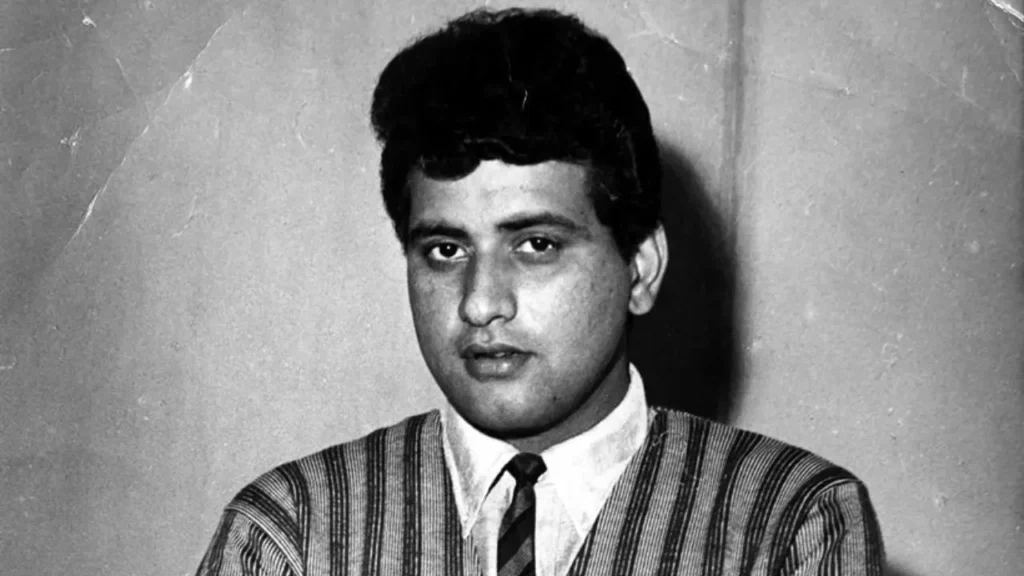
In a poignant moment that resonated across generations of Indian cinema enthusiasts, veteran actor Jackie Shroff recently offered a heartfelt tribute to the legendary filmmaker-actor Manoj Kumar. Known affectionately as “Bharat Kumar” for his unwavering dedication to patriotic narratives, Manoj Kumar profoundly shaped Bollywood’s landscape from the 1960s to the 1980s. Shroff’s words, steeped in respect and admiration, underscored the enduring legacy of a man whose films were more than just entertainment; they were a mirror reflecting the soul of a nascent nation.
Manoj Kumar, whose real name was Harikishan Giri Goswami, emerged as a towering figure at a time when India was still finding its voice post-independence. His career, spanning over two decades, was marked by an unparalleled commitment to cinema that championed Indian values, national pride, and the struggles of the common man. From his directorial debut with “Upkar” (1967), which coined the iconic slogan “Jai Jawan Jai Kisan,” to epics like “Purab Aur Paschim” (1970) and “Kranti” (1981), Kumar masterfully wove stories that instilled a sense of unity and purpose in a diverse populace. His unique style, often featuring him as the righteous, principled protagonist, resonated deeply with audiences yearning for heroes who embodied integrity and courage.
Shroff, a revered actor himself with a career spanning over four decades, fondly recalled Kumar’s profound influence. Speaking at a recent industry gathering, Shroff emphasized the timelessness of Kumar’s work. “Manoj saab wasn’t just an actor or a director; he was a storyteller who understood the pulse of India,” Shroff remarked, his voice tinged with genuine reverence. “His films taught us about duty, about love for our land, and about the sacrifices that built our nation. Watching his films felt like a lesson in patriotism, delivered with such grace and conviction.” Shroff, who began his career in the early 1980s, acknowledged how Kumar’s cinematic universe provided a moral compass, especially for young people growing up in a rapidly changing India. He spoke of Kumar’s meticulous attention to detail, from crafting compelling scripts to selecting music that became anthems for a generation.
The essence of Manoj Kumar’s cinematic philosophy lay in his ability to humanize grand national themes. He steered clear of jingoism, instead focusing on the inherent goodness and resilience of ordinary Indians. Whether it was a farmer struggling for survival (“Upkar”), an expatriate reconnecting with his roots (“Purab Aur Paschim”), or revolutionaries fighting for freedom (“Kranti”), Kumar’s characters were relatable and aspirational. His signature hand-covering-the-face gesture and his intense gaze became synonymous with a brand of sincere, heartfelt patriotism that was both powerful and nuanced. He wasn’t merely narrating history; he was actively shaping national consciousness through his art.
Shroff’s tribute serves as a crucial reminder of the importance of acknowledging the pioneers who laid the foundation for modern Indian cinema. In an industry that is constantly evolving, it is the wisdom and vision of legends like Manoj Kumar that provide a historical context and artistic benchmark. Shroff’s words also highlighted Kumar’s integrity as an artist who believed fiercely in the power of cinema to educate and inspire. He recounted how Kumar often emphasized the responsibility that came with being a public figure, a lesson Shroff deeply internalized throughout his own career. “He showed us that films could do more than just entertain; they could teach, they could unite, and they could leave a lasting impression on society,” Shroff reflected.
The enduring impact of Manoj Kumar’s films can still be felt today. Many of his songs, like “Mere Desh Ki Dharti” and “Dil Hai Chhota Sa Chhoti Si Asha,” continue to evoke strong emotions and are staple anthems at national events. His narratives, though set in specific historical contexts, carry universal themes of justice, sacrifice, and the unbreakable human spirit. These stories remind us that patriotism is not merely about borders and flags, but about the collective effort and dreams of a people.
Jackie Shroff’s heartfelt homage to Manoj Kumar is more than just a passing remark; it is a recognition of a profound artistic and cultural legacy. It underscores the respect that seasoned actors hold for those who paved the way, enriching the cinematic tapestry of the nation. In an era where news cycles move at breakneck speed, moments like these, captured by outlets like Omni 360 News, ensure that the contributions of such luminaries are never forgotten. It reminds us that true artistic impact transcends time and continues to inspire future generations to tell stories that resonate with honesty and purpose.
Key Takeaways:
* Jackie Shroff’s Reverence: The tribute from a respected contemporary actor like Jackie Shroff highlights Manoj Kumar’s lasting influence and the cross-generational admiration he commands in Bollywood.
* Manoj Kumar’s Legacy: Known as “Bharat Kumar,” Manoj Kumar was a cinematic visionary who used his films to promote patriotism, national unity, and Indian values from the 1960s to the 1980s.
* Impact of Patriotic Cinema: His films, such as “Upkar” and “Kranti,” were instrumental in shaping national consciousness, offering relatable heroes and narratives centered on the common Indian’s struggles and aspirations.
* Timeless Themes: Manoj Kumar’s stories, though set in their time, explore universal themes of duty, sacrifice, and love for one’s land, continuing to resonate with audiences today.
* Inspiration for Generations: The tribute emphasizes the importance of learning from cinematic pioneers, whose integrity and artistic vision continue to inspire and guide the industry.