Jackie Shroff remembers Manoj Kumar on his first death anniversary
Jackie Shroff Pays Moving Homage to Bollywood’s Bharat Kumar
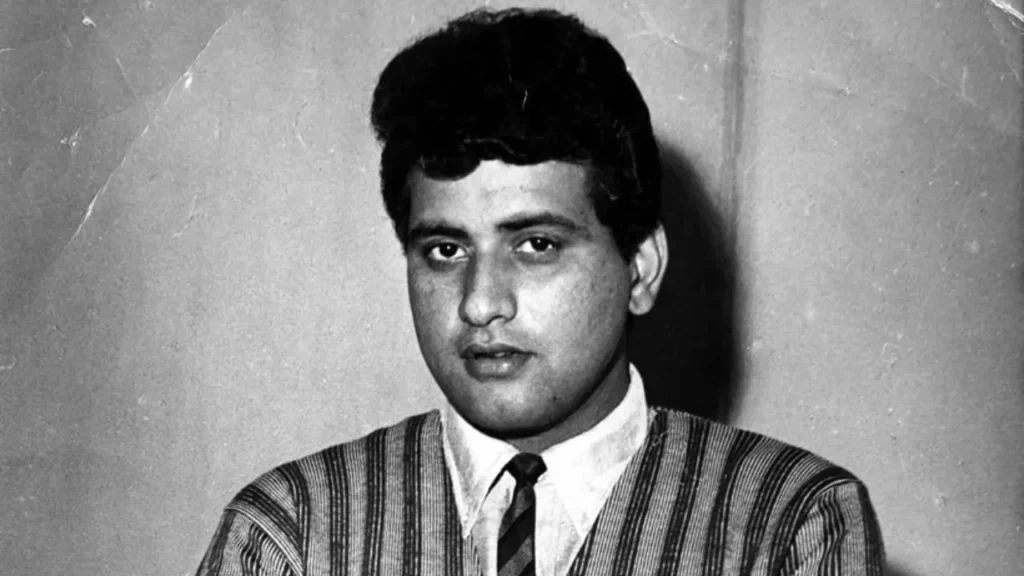
The enduring legacy of Bollywood’s ‘Bharat Kumar,’ the revered filmmaker-actor Manoj Kumar, continues to resonate through generations of Indian cinema. Recently, veteran actor Jackie Shroff offered a heartfelt tribute to the iconic figure, underscoring the profound impact Kumar’s work had, not just on the silver screen, but on the cultural fabric of the nation. This expression of admiration from Shroff, known for his grounded persona and deep respect for cinematic history, brings into focus the timeless relevance of patriotic storytelling and the artists who champion it.
Manoj Kumar, whose career spanned from the 1960s to the 1980s, carved a unique niche in the Hindi film industry. He was not merely an actor or a director; he was a storyteller with a singular vision, often weaving narratives imbued with strong nationalist sentiments, social messages, and a profound love for India. This dedication earned him the affectionate moniker ‘Bharat Kumar,’ a title that succinctly captured his artistic mission.
His filmography stands as a testament to this unwavering commitment. Films like Upkar, released in 1967, explored the stark contrast between urban greed and rural simplicity, carrying a powerful message of self-reliance and national service. The iconic song “Mere Desh Ki Dharti,” from Upkar, remains an anthem, stirring patriotic emotions even decades later. Kumar followed this with Purab Aur Paschim (1970), a narrative that critically examined the cultural clash between India and the West, advocating for Indian values and traditions.
Beyond his directorial ventures, Kumar’s acting prowess saw him portray characters that resonated with the common Indian—a man of integrity, sacrifice, and unwavering moral compass. His performances often embodied the conscience of a nation navigating post-independence challenges and aspirations. Films like Roti Kapda Aur Makaan (1974) tackled socio-economic issues of poverty, unemployment, and corruption, all while upholding the spirit of human resilience. Later, his magnum opus, Kranti (1981), an epic historical drama, further cemented his status as a master of patriotic cinema, bringing together an ensemble cast to tell a sweeping tale of rebellion against oppression.
Jackie Shroff, often called “Jaggu Dada” by fans and peers, has always been vocal about his admiration for the stalwarts of Indian cinema. His recent tribute to Manoj Kumar reflects a deep understanding of the latter’s contribution. Speaking on the enduring power of Kumar’s films, Shroff reportedly highlighted how these movies were more than entertainment; they were lessons in patriotism and human values, crafted with a sincerity that spoke directly to the hearts of millions.
For a generation that grew up watching Manoj Kumar’s films, they were an integral part of their cultural upbringing. Shroff’s generation, witnessing this cinematic wave, understood the monumental effort behind creating narratives that uplifted and united. His words emphasized Kumar’s ability to create relatable heroes who, despite facing immense personal struggles, never wavered in their commitment to their country and its people. This ability to infuse grand nationalistic themes into compelling, human stories is what makes Manoj Kumar a filmmaker whose work continues to be studied and admired.
The ‘Bharat Kumar’ persona was not just confined to the screen; it was an extension of Manoj Kumar’s personal philosophy. He believed in the power of cinema to educate and inspire, to instill a sense of pride and collective responsibility. His films often featured strong musical scores and memorable dialogues that became ingrained in public memory, further amplifying their impact. The themes of sacrifice, honesty, and national pride, which were central to his storytelling, are universal values that transcend time, making his body of work eternally relevant.
In a rapidly evolving cinematic landscape, where narratives often lean towards global themes or personal introspection, Shroff’s homage serves as a poignant reminder of the significance of rooted storytelling. It underscores the idea that certain narratives, deeply connected to national identity and shared heritage, hold a unique place in the hearts of the audience. Such tributes from contemporary actors like Jackie Shroff ensure that the contributions of pioneers like Manoj Kumar are not forgotten but are celebrated and understood by new generations.
This thoughtful remembrance by Jackie Shroff, a beloved figure in his own right, also highlights a beautiful aspect of the film industry—the continuous flow of respect and recognition between different eras of artists. It shows how the foundation laid by legends like Manoj Kumar continues to inspire those who walk the cinematic path today.
For students of cinema and general audiences alike, understanding Manoj Kumar’s work is crucial to grasping a significant period of Indian film history. He wasn’t just making movies; he was crafting cultural artifacts that mirrored and shaped the national consciousness of his time. His approach to filmmaking, characterized by a deep sense of purpose and a commitment to moral storytelling, set him apart.
In an exclusive report by Omni 360 News, industry insiders echo Shroff’s sentiments, noting that Kumar’s films provided a moral compass, depicting characters who embodied the ideals of patriotism and sacrifice. These narratives, delivered with sincerity and conviction, made his films not just blockbusters but also instruments of cultural pride and reflection. The enduring popularity of his patriotic songs and dialogues serves as a clear indication of their deep resonance with the public.
Key Takeaways:
- Jackie Shroff’s tribute underscores the lasting influence of filmmaker-actor Manoj Kumar, known as ‘Bharat Kumar.’
- Manoj Kumar’s films, such as Upkar, Purab Aur Paschim, and Kranti, were instrumental in shaping patriotic cinema in India.
- Kumar’s work transcended mere entertainment, serving as a medium for social commentary and instilling national pride.
- The tribute highlights the intergenerational respect within the film industry, honoring the foundational contributions of cinematic pioneers.
- Manoj Kumar’s narratives remain relevant, teaching values of honesty, sacrifice, and commitment to national identity.
This homage from Jackie Shroff is more than a nostalgic look back; it is a recognition of an artist whose body of work continues to inspire and inform. Manoj Kumar’s legacy serves as a beacon for filmmakers who aspire to tell stories that are not only entertaining but also culturally significant and deeply impactful. His vision, celebrated by artists across generations, ensures that the spirit of ‘Bharat Kumar’ lives on, reminding us of the profound power of cinema to reflect and shape a nation’s soul. The films he created are not just part of Bollywood’s past; they are timeless lessons in cinematic storytelling and patriotic fervor that continue to speak volumes today.