Jet streams driving surge in western disturbances in northwest India| India News
North India’s March Weather Driven by Frequent Western Disturbances
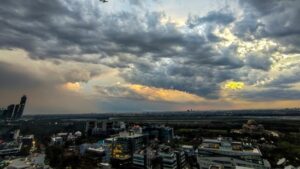
Northwest India has experienced an unusual surge in weather activity this March, marked by a significantly higher number of Western Disturbances than is typical. Meteorological observations indicate eight such systems impacted the region, a notable increase compared to the usual five to six for the month. Adding to this pattern, forecasters anticipate at least three more disturbances through mid-April, suggesting a continuation of these weather anomalies. Omni 360 News is tracking these developments closely.
To understand this phenomenon, it helps to know what a Western Disturbance is. Simply put, these are weather systems originating in the Mediterranean region. They travel eastward, picking up moisture over the Caspian Sea and the Himalayas before bringing sudden winter rain and snow to parts of India, Pakistan, and Nepal. For states like Jammu Kashmir, Himachal Pradesh, Uttarakhand, Punjab, Haryana, and Rajasthan, these disturbances are crucial for winter precipitation, impacting agriculture and water resources.
The key driver behind this increased activity, as observed by meteorologists, appears to be the behavior of the jet streams. Imagine jet streams as fast-moving “rivers” of air high up in the atmosphere. They essentially steer these Western Disturbances. When these jet streams dip southwards, they can push more of these weather systems directly over northern India, leading to more frequent events. This specific positioning and intensity of the jet stream are contributing to the current pattern.
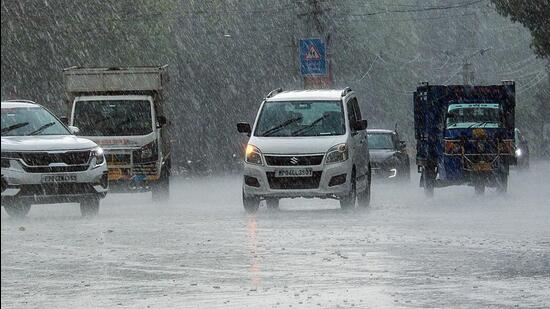
This surge has brought mixed impacts. While some areas have welcomed the precipitation, particularly in regions facing water scarcity, others have reported disruptions to daily life and agriculture due to unseasonal rainfall, hailstorms, and fluctuating temperatures. Farmers, for instance, have had to monitor forecasts closely to protect ripening crops.
Key Takeaways:
- March saw eight Western Disturbances in Northwest India, exceeding the normal count.
- At least three more disturbances are predicted for mid-April.
- Jet stream activity, specifically their southward movement, is a primary factor steering these systems.
- These weather patterns bring rain and snow, vital for the region but also potentially disruptive.
- Understanding these atmospheric shifts is crucial for regional planning and preparedness.
This ongoing weather trend highlights the dynamic nature of our climate and the significant role of global atmospheric currents in local weather phenomena.