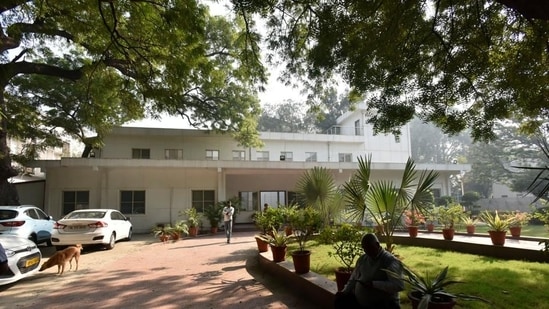
‘Jinxed’ Delhi CM bungalow, largely vacant for decades, set to be demolished
Delhi Set to Demolish 7 Flagstaff Road Bungalow After Decades of Disuse
Delhi’s political landscape is about to shed a piece of its intriguing past with the impending demolition of the bungalow located at 7, Flagstaff Road. For decades, this sprawling property, initially designated as an official residence for the Chief Minister, has stood largely vacant, its underutilization attributed by officials to a curious factor: its long-standing and rather ominous reputation. This decision marks a rare instance where urban planning intersects with local lore and political perception, prompting conversations across the city.
The bungalow at 7, Flagstaff Road is more than just bricks and mortar; it has been a silent observer of Delhi’s political currents for decades. Its story is steeped in what many in political circles refer to as a “jinx.” According to various local reports and long-held beliefs, a succession of Chief Ministers who chose to reside here faced premature exits from power or significant political setbacks. This pattern, whether coincidence or something more, cultivated an aura of misfortune around the property, making it an undesirable address for those at the helm of Delhi’s governance.
Sources reveal that Chief Ministers like Madan Lal Khurana, Sahib Singh Verma, and Sushma Swaraj, all of whom briefly occupied the bungalow, experienced turbulent tenures, often ending in resignations or electoral defeats. These events, documented in local news archives from various Delhi-based publications, gradually solidified the bungalow’s “jinxed” image. Over time, the dwelling earned a notorious reputation, leading many subsequent Chief Ministers to actively avoid making it their primary residence.
Former Chief Minister Sheila Dikshit, for instance, largely steered clear of the Flagstaff Road property, opting for other official accommodations during her extensive tenure. Similarly, current Chief Minister Arvind Kejriwal has never chosen to reside there. The consistent avoidance by high-ranking officials underscores the pervasive belief in the bungalow’s “unlucky” nature. This isn’t just a whispers-among-officials scenario; the narrative has seeped into public consciousness, making 7, Flagstaff Road a subject of unique local fascination.
Officials, when questioned by various Delhi-based news outlets including Omni 360 News, have openly acknowledged the “long-standing reputation” as a significant contributor to the bungalow’s decades-long underutilization. While government decisions are typically rooted in practicality, finance, or policy, this instance highlights how deeply ingrained cultural and superstitious beliefs can subtly influence even official proceedings. Beyond the perceived jinx, the property likely also suffers from the wear and tear of time, potentially requiring substantial maintenance and modernization to meet contemporary standards for official residences. The cost of maintaining a large, unused property would also factor into the decision.
The Public Works Department (PWD) is now moving ahead with plans for the demolition. This move is seen by some as a pragmatic decision to clear a space that has become a white elephant for the state exchequer, despite its historical association. The demolition aims to pave the way for a fresh start, potentially making way for new, functional government infrastructure that isn’t burdened by historical baggage or superstitious dread. While specific plans for the redeveloped site are yet to be widely disclosed, the intention appears to be to replace a problematic asset with something more beneficial to the city’s administrative needs.
This situation offers a fascinating glimpse into the blend of practical governance and the enduring power of local belief systems. For a 12th standard student, understanding this event means recognizing that decisions, even those made by government, can sometimes be influenced by more than just logical reasoning. It demonstrates how historical events and widely accepted narratives, even if based on superstition, can gain enough traction to impact significant administrative choices. It’s a reminder that cities, especially those with rich histories like Delhi, are built not just on blueprints but also on stories, myths, and the collective memory of their inhabitants.
Key Takeaways:
- The Chief Minister’s bungalow at 7, Flagstaff Road, Delhi, is slated for demolition after decades of underutilization.
- Officials attribute its long-standing vacancy to a pervasive “jinxed” reputation among political circles.
- Several former CMs who occupied the bungalow reportedly faced political setbacks, contributing to its ominous lore.
- The demolition by the PWD aims to clear the site of an underperforming asset.
- This decision highlights how local beliefs and historical narratives can influence government actions in a city like Delhi.
As the demolition proceeds, the removal of the 7, Flagstaff Road bungalow will close a chapter on one of Delhi’s most talked-about political curiosities. It leaves behind a legacy of whispers and caution, and perhaps, opens a new opportunity for development unburdened by past misfortunes. The story of this bungalow will likely continue to be told, serving as a unique reminder of the interplay between the tangible world of brick and steel and the intangible world of belief and reputation.