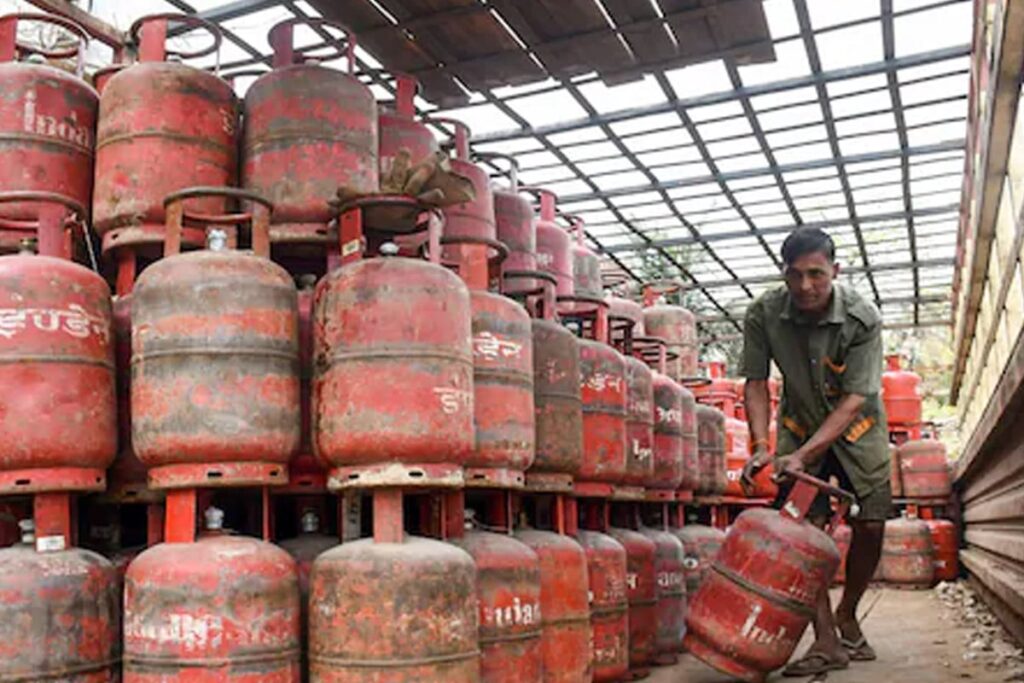
tribal women of Bishnupur find alternative income amid energy Cylinder Crisis
Joypur Resorts Embrace Sal Leaves to Counter Gas Shortage
The tranquil fringes of Joypur forest, a popular tourist magnet near Bishnupur, are usually bustling with visitors seeking a quiet escape. For the many resorts, hotels, and lodges nestled here, catering to this continuous influx means a constant demand for preparing meals. However, a recent and persistent shortage in cooking gas supply has left these hospitality businesses facing a significant challenge. Instead of succumbing to the crisis, several private resorts on the edge of the Joypur forest have turned to an inventive, age-old solution, ensuring their kitchens remain operational and their guests well-fed.
The reliance on conventional cooking gas cylinders had become a logistical nightmare. Resort owners found themselves grappling with erratic supplies and rising costs, directly threatening their ability to run daily operations smoothly. The sheer volume of food required for tourists staying year-round meant a substantial daily gas requirement, often twenty to twenty-five cylinders for a single resort. This situation called for a swift and practical response to maintain services for their steady stream of visitors.
The answer emerged from the very environment surrounding them: fallen Sal leaves from the abundant forest. These dry leaves, once merely part of the forest floor, are now being collected and purchased by the resorts to serve as primary cooking fuel. This initiative is not merely a stopgap measure; it is a meticulously planned shift. Reports indicate that approximately 1.3 million rupees worth of dried Sal leaves have already been collected and carefully stored. Piled high in sacks across several bighas of land, this reserve is expected to last for roughly an entire year, providing a stable and sustainable energy source for the resorts’ kitchens.
Beyond addressing the resorts’ immediate needs, this ingenious solution has blossomed into a vital lifeline for the local community, particularly for tribal women residing in the forest-adjacent areas. These women now find a steady source of income by gathering the naturally fallen Sal leaves from the forest floor and selling them to the resorts. They report earning between 300 to 400 rupees daily, a substantial sum that offers much-needed financial relief and stability for their families. The resorts purchase these leaves at a rate of five rupees per kilogram, creating a direct economic bridge between the forest and the community.
Mahadev Mondal, a resort owner in Joypur, shared insights into this practical approach. He explained that most traditional Bengali dishes, including rice, lentil soup (dal), curries, and various vegetable preparations, are now skillfully cooked using the Sal leaves. This shift has dramatically reduced their dependency on gas cylinders. “We previously needed twenty to twenty-five gas cylinders every single day,” Mondal stated. “Now, we only keep two gas cylinders specifically for preparing Chinese cuisine, which requires precise temperature control. All other cooking relies on the leaves.” This practice not only keeps costs down but also ensures a reliable fuel source.
This unique response in Joypur serves as a compelling example of local ingenuity and community resilience. It highlights how seemingly simple, locally available resources can offer practical solutions to modern-day challenges like energy scarcity. The initiative demonstrates a harmonious relationship between tourism, the natural environment, and community welfare, turning a crisis into an opportunity for sustainable practices and economic empowerment. This kind of local innovation, often overlooked by larger news cycles, truly defines the pulse of communities, offering valuable lessons on adaptability. Omni 360 News consistently brings such vital, ground-level stories to light, showcasing how regional efforts contribute significantly to broader narratives of sustainability and self-reliance.
Key Takeaways
- Joypur resorts faced a severe cooking gas shortage, impacting their daily operations.
- They adopted dried Sal leaves as a primary cooking fuel, gathered from the local forest.
- This initiative provides a year’s worth of fuel, drastically reducing reliance on gas cylinders.
- The program has created a new, vital source of income for local tribal women, who earn money by collecting and selling the leaves.
- It showcases a local, sustainable, and community-centric solution to an energy crisis, benefiting both businesses and residents.