Karnataka governor seeks review of move to scrap 3rd language marks in Class 10| India News
Karnataka SSLC Third Language Results Spark Policy Debate Governor Seeks Review
The recent declaration of Karnataka SSLC examination results for the academic year 2023-24 has cast a spotlight on a significant challenge within the state’s education system. An astonishing 146,000 students, a vast majority of the 164,000 who could not clear their Class 10 board exams, stumbled on their third-language paper. This alarming statistic has not only highlighted persistent learning hurdles but has also ignited a crucial debate over a proposed policy change regarding the third language, prompting the state Governor to intervene.
This situation, unfolding across Karnataka, is a critical topic for public discourse and careful consideration, as reported by Omni 360 News. Understanding the complexities requires looking beyond just the numbers and delving into the policy implications and educational philosophies at play.
The Stark Reality of the Numbers
For those unfamiliar with the Indian education system, the SSLC (Secondary School Leaving Certificate) is the Class 10 board examination, a pivotal milestone that determines a student’s eligibility for higher secondary education (Class 11 and 12) and often shapes their future academic and career paths. When such a significant number of students face difficulty at this stage, it raises red flags about curriculum design, teaching methodologies, and student support systems.
In the 2023-24 SSLC exams, out of approximately 746,000 students who appeared, around 164,000 did not clear. What is particularly striking is that 146,000 of these failures were attributed to the third-language paper. This isn’t an isolated incident; local news outlets and educational analysts confirm that the third language has consistently been a stumbling block for many students in Karnataka over the past several years. Students in Karnataka typically study Kannada (the state language) as a first or second language, English as another, and then choose a third language from a variety of options like Hindi, Sanskrit, Urdu, Marathi, Tamil, or Telugu.
The Proposed Policy Shift and the Governor’s Concern
In response to challenges like the high failure rates and in alignment with the broader objectives of the National Education Policy (NEP) 2020, the Karnataka state government had proposed a significant change. Starting from the academic year 2024-25, the marks obtained in the third language would no longer contribute to a student’s overall aggregate score in the SSLC examination. The intent behind this move was to alleviate the academic burden on students, encourage a more flexible approach to language learning, and allow students to focus more on core subjects without the fear of failing due to a third language.
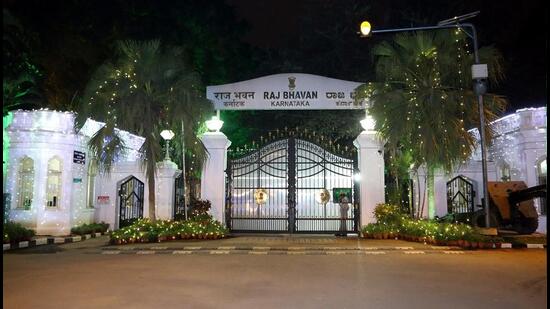
However, this proposed change has now come under high-level scrutiny. Karnataka Governor Thawar Chand Gehlot recently penned a letter to Chief Minister Siddaramaiah, urging a comprehensive review of the decision. The Governor’s primary concern revolves around the potential long-term repercussions of de-emphasizing the third language. He highlighted that making the third language non-contributory to the final SSLC score could lead to students neglecting its study altogether.
The Governor’s letter, widely reported by various state media, underscores fears that such a move might diminish linguistic diversity, impact students’ future opportunities in higher education or employment where multilingualism is an asset, and potentially affect schools that have invested heavily in teaching these languages. He questioned whether this aligns with the spirit of the NEP, which, while promoting flexibility, also encourages multilingualism and cultural understanding.
Understanding the National Education Policy (NEP) Context
The NEP 2020 generally promotes flexibility in curriculum and a multidisciplinary approach to learning. Regarding languages, it advocates for the “three-language formula,” encouraging students to learn their mother tongue/regional language, English, and another Indian language. The policy aims to reduce rote learning and foster deeper understanding and critical thinking.
The Karnataka government’s proposed change was arguably an interpretation of this flexibility, attempting to reduce exam-related stress. The idea was that if marks don’t count, students might learn the language out of genuine interest rather than fear of failure. However, critics, including the Governor, argue that for many students, the incentive of marks is a crucial motivator, and removing it could lead to superficial engagement or outright abandonment of the subject.
Perspectives from Stakeholders
This unfolding scenario brings various stakeholders to the forefront:
* Students and Parents: Many students and parents welcome any measure that reduces academic pressure, especially concerning a subject often perceived as an extra burden. However, there’s also concern about limiting future opportunities if language skills are neglected.
* Teachers: Educators often face challenges in teaching diverse third languages effectively, given varying student backgrounds and the sheer number of options. Some teachers might feel relieved by reduced pressure, while others worry about the devaluation of their subject.
* Linguistic and Cultural Advocates: Groups championing linguistic diversity express strong reservations, fearing that the move could erode the importance of learning additional Indian languages, potentially hindering cultural exchange and national integration.
* Education Experts: There’s a debate among experts. Some argue for a competency-based assessment without high-stakes exams, while others stress the foundational role of languages in cognitive development and cultural identity.
The Road Ahead
The Governor’s letter has effectively put the proposed policy change on hold, at least for now. It necessitates a re-evaluation by the state government and the Department of School Education and Literacy. The challenge lies in finding a balanced approach that genuinely reduces student burden without compromising the holistic development of linguistic skills or the constitutional emphasis on multilingualism.
Any decision will need to consider the practical realities of classrooms, the aspirations of students, and the long-term societal and cultural implications. The outcome of this review will significantly shape the future of language education in Karnataka and could potentially influence similar debates in other states grappling with their implementation of the NEP.
Key Takeaways:
* In Karnataka’s 2023-24 SSLC exams, 146,000 students failed in their third-language paper, highlighting a recurring educational challenge.
* The state government had proposed making third-language marks non-contributory to the final SSLC score from 2024-25, aiming to reduce student burden.
* Governor Thawar Chand Gehlot has urged a review of this policy, expressing concerns about potential negative impacts on linguistic diversity, future opportunities, and educational quality.
* The debate highlights the complexities of implementing the National Education Policy (NEP) 2020, balancing flexibility with the importance of multilingualism.
* Stakeholders, including students, teachers, and cultural groups, hold diverse views on the proposed change, emphasizing the need for a carefully considered solution.
The deliberations over the third-language policy will undoubtedly be closely watched, as they bear significant weight for the academic future of countless students and the linguistic fabric of Karnataka.