Keeping up with UP: Can mere lip service ensure support of women voters| India News
Women at the Helm Decoding Leadership in Assam, Tamil Nadu, and West Bengal
The political landscape of India has seen a fascinating evolution over decades, with women increasingly carving out significant spaces of power and influence. While the journey towards true gender parity in leadership continues, the past has shown us inspiring examples of women holding the highest executive office in various states. As Omni 360 News explores, three out of four key states often discussed in election cycles – Assam, Tamil Nadu, and West Bengal – have witnessed women Chief Ministers, presenting a stark contrast to states like Kerala, which has yet to elect a woman to the top post.
This historical trend is more than just a statistic; it reflects changing social dynamics, the power of individual charisma, and the evolving electoral strategies that now keenly focus on the robust women’s vote bank. Understanding this journey requires looking beyond mere headlines and delving into the ground realities that shaped these narratives.
West Bengal’s ‘Didi’ and Grassroots Power
In West Bengal, the figure of Mamata Banerjee, affectionately known as ‘Didi,’ stands as a towering example of resilient female leadership. Her political career, marked by relentless struggle and a deep connection with the common people, culminated in her becoming the state’s first woman Chief Minister in 2011, breaking a long-standing communist stronghold. Her ascent was not merely a political victory but a significant social statement, demonstrating that a woman could not only lead but also redefine the political discourse of a state known for its intense ideological battles.
Local reports from various Bengali dailies over the years often highlight her populist schemes, particularly those aimed at women and girls, such as the Kanyashree Prakalpa (a conditional cash transfer scheme for girl child education). These initiatives resonated deeply, solidifying her support among women voters who saw her as someone who understood their struggles and actively worked for their welfare. Her tenure has demonstrated that direct engagement and tangible benefits for women can translate into powerful electoral backing, shifting the focus from traditional male-dominated political narratives to one where women’s issues take center stage.
Tamil Nadu’s ‘Amma’ A Legacy of Welfare and Willpower
Down south, Tamil Nadu remembers J. Jayalalithaa, reverently called ‘Amma,’ as a Chief Minister who dominated the state’s politics for over two decades. Her journey from a popular film star to a formidable political leader was extraordinary. She served multiple terms as the Chief Minister, leaving an indelible mark on the state’s governance and social fabric.
Jayalalithaa’s political strategy was heavily reliant on a strong women’s vote bank, which she cultivated through a series of highly visible and impactful welfare schemes. From providing free cycles to schoolgirls, distributing grinders, mixers, and fans to households, to launching Amma canteens offering affordable food, her policies directly addressed the needs of women and lower-income families. Regional newspapers like The Hindu’s local editions and Tamil dailies frequently reported on the enthusiastic reception of her welfare measures among women. She was perceived as a benevolent matriarch, a powerful protector, and a leader who delivered tangible benefits. Her strong will and administrative prowess ensured that her government’s initiatives often reached the intended beneficiaries, further cementing her appeal. Her legacy underscores how charismatic leadership combined with targeted welfare can empower women both politically and socially.
Assam’s Trailblazer Syeda Anwara Taimur
The northeast state of Assam holds the distinction of having India’s first Muslim woman Chief Minister, Syeda Anwara Taimur, who took office in 1980. While her tenure was relatively brief, lasting only about six months, her achievement was monumental. In a political era dominated by men, her elevation to the top executive post broke significant barriers and demonstrated that women, even in states with complex social and political dynamics, could rise to lead.
Reports from archives of local Assamese newspapers like The Assam Tribune from that period highlight the historical significance of her appointment, even as her government grappled with intense political and social unrest, particularly the Assam Agitation. Her presence at the helm, despite the challenging circumstances, symbolized a forward step for women in politics, especially within minority communities. It showed that the path to leadership, though often arduous, was indeed open.
Kerala The Anomaly in the Narrative
Interestingly, Kerala, a state renowned for its high social development indicators, literacy rates, and progressive social movements, stands out as the only one among these four key states that has yet to have a woman Chief Minister. This paradox often prompts discussions about the difference between social progress and political representation. While women in Kerala are highly educated and actively participate in various professional fields, their representation at the highest echelons of state politics, particularly in the CM’s chair, has remained elusive.
Analysts suggest this might be due to a combination of factors, including the deeply entrenched patriarchal structures within political parties, the nature of coalition politics, and the lack of a strong, singular woman leader who could capture the popular imagination in the same way Mamata Banerjee or J. Jayalalithaa did. The state’s political landscape, often dominated by two major fronts, has historically seen a preference for male leaders at the very top.
The Growing Influence of Women Voters
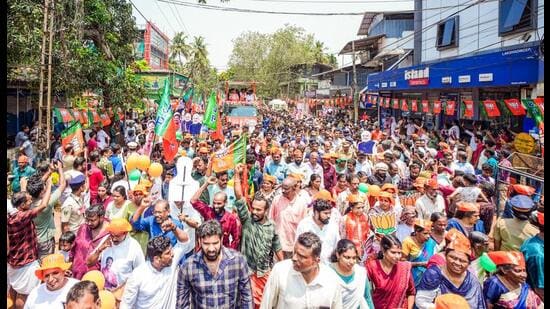
The common thread through these narratives, as Omni 360 News observes, is the undeniable rise of the woman voter. Across India, election after election, the turnout of women voters is often matching, and sometimes even surpassing, that of men. This shift has forced political parties to move beyond mere “lip service” and actively craft policies and campaigns specifically aimed at women.
The success of women Chief Ministers in these states serves as a powerful testament to the fact that when women are given leadership roles, they often bring unique perspectives and policy priorities that resonate deeply with a significant demographic. Their presence not only inspires other women to participate in public life but also demonstrates the immense potential of inclusive governance. Political parties are now keenly aware that winning the women’s vote is often key to electoral success, leading to more women-centric manifestos and a greater focus on issues like safety, healthcare, and economic empowerment.
Key Takeaways
* Assam, Tamil Nadu, and West Bengal have all seen women Chief Ministers, highlighting varying paths to top leadership.
* Mamata Banerjee and J. Jayalalithaa built strong women’s vote banks through populist welfare schemes and direct engagement.
* Syeda Anwara Taimur of Assam was a pioneering figure, breaking barriers despite a brief tenure.
* Kerala, despite high social indicators, remains an exception, pointing to complex factors influencing political representation.
* The rise of women leaders correlates with the growing influence of women voters, compelling parties to address women’s issues more directly.
* Women in leadership often bring unique policy perspectives, impacting governance and inspiring greater female participation in public life.
As India continues its democratic journey, the role of women, both as leaders and as voters, will undoubtedly grow, reshaping the political landscape in profound and meaningful ways. The stories from these states offer valuable insights into this ongoing transformation.