Keeping up with UP: What clamour for Bharat Ratna for Kanshi Ram means| India News
The Bharat Ratna Gambit Political Parties Vie for Dalit Support Through Kanshi Ram’s Legacy
In the intricate tapestry of Indian politics, the demand for the Bharat Ratna, the nation’s highest civilian honor, often transcends mere recognition of merit. When calls for bestowing this prestigious award upon the late Kanshi Ram, the towering architect of the Bahujan Samaj Party (BSP) and a pioneer of Dalit political empowerment, echo across the electoral landscape, seasoned observers of Omni 360 News discern a clear strategic play. Political parties, from regional powerhouses to national contenders, appear to be acutely aware of the symbolic weight such a demand carries, particularly as they seek to cultivate Dalit sympathy and consolidate their support base.
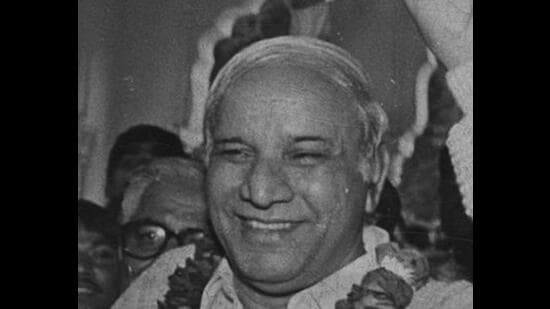
Kanshi Ram, born in 1934, was far more than a politician; he was a social revolutionary. He dedicated his life to awakening and uniting the Bahujan samaj, a term he coined to encompass Scheduled Castes, Scheduled Tribes, Other Backward Classes, and religious minorities. His vision was not merely about reservations or welfare schemes but about achieving political power for these historically marginalized communities, enabling them to shape their own destiny. He crisscrossed the nation, often on bicycle, articulating a powerful narrative of self-respect and political assertion. His famous slogan, “Vote Hamara, Raj Tumhara, Nahi Chalega, Nahi Chalega” (Our Vote, Your Rule, Will Not Work), resonated deeply, transforming passive voters into active agents of change. Kanshi Ram’s relentless efforts led to the formation of the BSP, a party that fundamentally altered the political discourse, especially in states like Uttar Pradesh. His legacy is etched in the minds of millions who saw him as their voice and champion.
The recurring demand for a Bharat Ratna for Kanshi Ram, however, often emerges during specific political junctures. It resurfaces frequently when elections are on the horizon, or when political alliances are shifting, especially in regions with significant Dalit populations. For parties that traditionally stood in opposition to Kanshi Ram’s identity-based politics, championing his recognition can seem like a convenient bridge to a crucial vote bank. It allows them to acknowledge his historical significance without necessarily embracing the full spectrum of his ideology. This maneuver aims to signal respect for a revered leader, hoping to garner goodwill and votes from a community whose political consciousness Kanshi Ram himself meticulously cultivated.
Beneath the surface of these demands lies a complex interplay of motivations. Is it a genuine tribute to a leader whose contributions were undeniably monumental, or is it a calculated move to “play to the gallery”? Local news reports and community interactions often highlight mixed reactions. While many Dalits would welcome the recognition for their beloved leader, there’s also a palpable sense of skepticism regarding the sincerity of some political parties. Questions arise about why these demands intensify only when elections loom, or why parties that historically marginalized Dalit issues now vociferously advocate for Kanshi Ram. This suggests that for many in the community, such demands are viewed through a pragmatic lens of electoral strategy rather than pure veneration.
The Dalit voter base is not monolithic; it is diverse, with varying aspirations, sub-caste loyalties, and regional specificities. While a symbolic gesture like the Bharat Ratna might appeal to a segment of the community that deeply reveres Kanshi Ram, it is often not the sole determinant of electoral choices. Young Dalit voters, for instance, might be more focused on issues like economic opportunity, quality education, protection from caste-based violence, and equitable representation in institutions. Older generations, while respecting Kanshi Ram’s foundational work, also evaluate parties based on their current policies and actual performance in addressing persistent social inequalities.
What truly matters to the Dalit community, beyond symbolic recognition, are tangible advancements in social justice and economic upliftment. This includes effective implementation of affirmative action policies, robust legal protection against discrimination and atrocities, access to land and resources, and meaningful participation in governance. While symbols hold significance in shaping collective identity, concrete policy actions that translate into improved living conditions and greater dignity often hold greater sway in the long run. The challenge for political parties, as covered extensively by Omni 360 News, is to move beyond superficial gestures and demonstrate a sustained commitment to the issues that continue to impact the Bahujan samaj.
Ultimately, the demand for Bharat Ratna for Kanshi Ram serves as a poignant reminder of his enduring influence and the ongoing political calculus surrounding Dalit votes. It underscores how deeply intertwined historical figures are with contemporary electoral strategies. For the voters, particularly the Dalit community, discerning genuine respect from strategic maneuvering remains a critical task in the democratic process.
Key Takeaways:
- Demands for Bharat Ratna for Kanshi Ram often coincide with electoral cycles, signaling a strategic effort by political parties to attract Dalit votes.
- Kanshi Ram’s legacy is profound; he empowered Dalits and other marginalized communities by advocating for political power and self-respect.
- The motives behind these Bharat Ratna demands are often viewed with skepticism by the Dalit community, questioning whether it’s genuine respect or political opportunism.
- The Dalit vote is complex and influenced by various factors beyond symbolic gestures, including economic well-being, social justice, and protection against discrimination.
- Substantive policy actions addressing real issues faced by the Bahujan samaj are often seen as more impactful than symbolic awards.