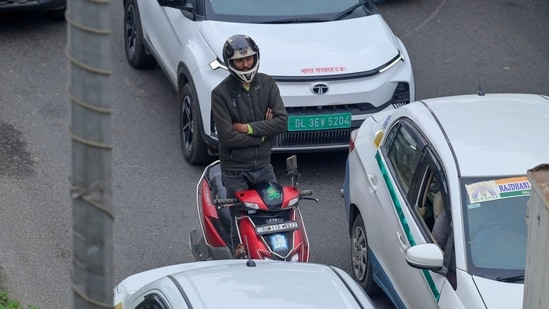
Khanda Chowk Bridge closed: Delhi police issue traffic advisory
Delhi’s Khanda Chowk Bridge Repairs Future Traffic Advisory and Diversions
Commuters traversing Delhi’s busy intersections often brace themselves for the inevitable roadworks that shape urban life. A significant update has emerged regarding the Khanda Chowk Bridge, a vital artery in the capital’s sprawling road network. Authorities have announced a planned closure of this crucial bridge, slated to begin on March 26, 2026. This extensive shutdown is necessary to facilitate essential repair and resurfacing works, a measure aimed at ensuring the long-term safety and structural integrity of the bridge. For residents and daily commuters, understanding the specifics of this upcoming closure is paramount for navigating their routines with minimal disruption.
The decision to close the Khanda Chowk Bridge underscores the city’s commitment to maintaining its infrastructure. Bridges, like any other critical public asset, endure constant wear and tear from millions of vehicles passing over them daily. Over time, factors such as heavy traffic load, weather conditions, and natural aging processes necessitate comprehensive overhauls. These repairs are not merely cosmetic; they involve strengthening the bridge’s foundational elements, repairing structural deficiencies, and laying down new, durable road surfaces. Such proactive measures prevent more severe damage in the future and extend the lifespan of these crucial connectors.
While the closure date is still some time away, the early announcement by Delhi Police and public works officials allows ample time for public awareness and logistical planning. This foresight gives residents and transport agencies the opportunity to adapt to the upcoming changes, map out alternative routes, and adjust their schedules well in advance. Omni 360 News understands the pulse of the city, and this advance notice is a testament to transparent governance, aiming to ease the inevitable challenges that large-scale infrastructure projects bring.
Understanding the Impact on Daily Commute
The Khanda Chowk Bridge sits on a route that sees substantial traffic flow, connecting various localities and serving as a gateway for many. Its temporary closure will undoubtedly reroute thousands of vehicles, affecting individuals traveling for work, school, or other daily errands. Think of it like this: if your regular path to a friend’s house suddenly has a “road closed” sign, you’d need to find another way around. This bridge closure is similar, but on a much larger scale, impacting a wide cross-section of Delhi’s populace.
Local residents in areas surrounding Khanda Chowk, including those in Palam, Dwarka, and connecting sectors, will likely experience the most direct impact. School buses, public transport services, and private vehicles will all need to adjust their routes. During peak hours, the diversions could potentially lead to increased travel times and congestion on alternative roads. This is a common consequence of major roadworks, but with proper planning and awareness, the impact can be mitigated.
Key Diversion Routes and Advisory Details
To guide commuters through the upcoming disruption, Delhi Police will issue detailed traffic advisories closer to the closure date. However, initial announcements often highlight the main alternative routes. These typically involve diverting traffic to parallel roads or established arterial routes that can absorb additional vehicle load.
Based on current information and patterns observed during similar closures in Delhi, commuters usually find themselves directed to major parallel roads or intersections that have the capacity to handle increased traffic. For instance, if the bridge facilitates movement in a north-south direction, traffic might be diverted to an east-west arterial road that then connects back to the desired north-south path further down. Specific diversions will detail which roads to take, where to turn, and what areas to avoid during the construction period.
Motorists are generally advised to stay updated with real-time traffic information through navigation apps, official police announcements, and local news channels like Omni 360 News. Public transport users should check for updated bus routes or metro connections that might offer more efficient alternatives. Carpooling and using public transport more frequently during the closure period could also help reduce individual vehicle load on the diversion routes.
The Broader Picture of Urban Infrastructure
This planned repair work on the Khanda Chowk Bridge is part of a larger ongoing effort across Delhi to modernize and maintain its critical infrastructure. As the city continues to grow and its population expands, the demands on its roads, bridges, and flyovers intensify. Regular maintenance, coupled with timely repairs and upgrades, is crucial for sustaining urban mobility and ensuring public safety.
The period leading up to March 2026 provides a crucial window for all stakeholders – from traffic police and public works departments to local residents and businesses – to prepare. Understanding that these repairs are for the greater good, leading to safer and smoother commutes in the long run, helps to contextualize the temporary inconvenience. It’s an investment in the city’s future.
Key Takeaways for Commuters
* Closure Date: The Khanda Chowk Bridge will close for repairs starting March 26, 2026.
* Reason for Closure: Essential repair and resurfacing works to enhance safety and durability.
* Stay Informed: Closely monitor official Delhi Police traffic advisories and local news updates as the date approaches.
* Plan Ahead: Start identifying alternative routes for your daily commute well in advance.
* Consider Alternatives: Explore public transport options, carpooling, or adjusting travel times to avoid peak congestion on diversion routes.
* Patience is Key: Expect potential delays on alternative routes and factor in extra travel time.
Ultimately, while the closure of the Khanda Chowk Bridge presents a temporary challenge, it signifies a necessary step towards a more resilient and efficient transport network for Delhi. With early communication and thoughtful planning, the city can navigate this period of repair, emerging with an even stronger foundation for its future.