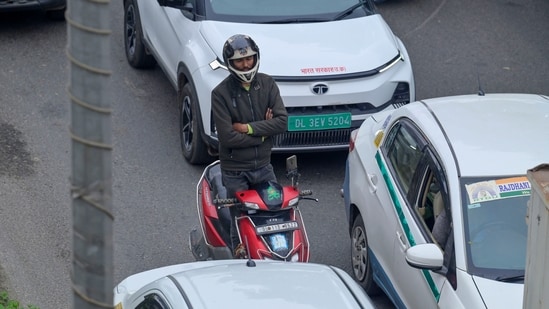
Khanda Chowk Bridge closed for a week: Delhi police issue traffic advisory
Khanda Chowk Bridge Closure Scheduled for Vital Delhi Repairs
Delhi’s bustling traffic corridors are set to experience a significant change with the upcoming closure of the Khanda Chowk Bridge. Officials have confirmed that this crucial artery will be inaccessible to traffic starting March 26, 2026, to allow for essential repair and resurfacing works. This proactive measure aims to ensure the long-term safety and structural integrity of the bridge, a vital link for thousands of daily commuters navigating the city’s intricate road network.
The decision, while anticipated to cause temporary inconvenience, underscores the Delhi administration’s commitment to maintaining its urban infrastructure. Years of continuous heavy vehicle movement, coupled with the seasonal wear and tear from weather conditions, necessitate periodic overhauls for structures like the Khanda Chowk Bridge. Such maintenance is not merely cosmetic; it is fundamental to preventing potential hazards and extending the lifespan of public assets. Without timely interventions, minor cracks and surface degradations can escalate into serious structural issues, posing risks to public safety and leading to more extensive, costlier repairs down the line.
Understanding the Need for Comprehensive Repair
The term “repair and resurfacing” often sounds straightforward, but for a bridge like Khanda Chowk, it involves a complex engineering effort. Resurfacing addresses the top layer of the road, which bears the brunt of traffic. This includes patching potholes, repairing cracks, and laying down a fresh layer of asphalt or concrete to provide a smooth, safe driving surface. Beyond the visible surface, repairs can delve deeper, involving the inspection and reinforcement of the bridge’s underlying structure. This might include checking expansion joints, repairing concrete spalling, or even strengthening load-bearing components if required. Such meticulous work, as outlined by city engineers, requires a complete cessation of traffic to ensure worker safety and the quality of the repair.
This kind of project highlights a recurring challenge in rapidly expanding metropolitan areas like Delhi. The relentless pace of urban development and the ever-increasing volume of vehicles place immense strain on existing infrastructure. Bridges, flyovers, and arterial roads are the lifeblood of the city’s commerce and daily life, making their maintenance a continuous and critical task. The planned closure of Khanda Chowk Bridge is a testament to this ongoing effort, reflecting a necessary pause for long-term gain.
Navigating Delhi’s Roads During the Closure
The Delhi Police Traffic Unit has begun preparing comprehensive traffic advisories to guide commuters once the closure takes effect. While specific diversion routes are still being finalized and will be widely publicized closer to the date, general strategies for managing traffic flow during such significant closures typically involve redirecting vehicles through parallel roads, service lanes, and alternative major intersections.
Commuters regularly using the Khanda Chowk Bridge are strongly advised to begin identifying alternative routes well in advance of March 26, 2026. This might involve exploring less congested parallel routes, utilizing public transport options like the Delhi Metro where feasible, or adjusting travel times to avoid peak hours. Digital navigation platforms will play a crucial role in providing real-time updates and helping drivers find the most efficient detours. Local news outlets and dedicated traffic update services, including those provided by Omni 360 News, will be invaluable resources for staying informed.
For students, daily wage earners, and office workers who depend on this route, the impact could be significant, adding minutes or even hours to their daily commutes. Businesses in the vicinity might also experience temporary disruptions in logistics and customer access. The success of managing this transition will hinge on effective communication from authorities and proactive planning by residents and businesses alike.
A Glimpse into Delhi’s Infrastructure Future
The Khanda Chowk Bridge project is not an isolated event but rather part of a continuous cycle of urban infrastructure management. Delhi, a city constantly evolving and expanding, frequently undertakes projects to upgrade its roads, bridges, and public transport systems. From the construction of new flyovers to the expansion of the Metro network, these endeavors are vital for sustaining the city’s growth and improving the quality of life for its inhabitants.
While closures and diversions are often met with frustration, they are a necessary part of this growth trajectory. These projects, even when inconvenient, represent an investment in the city’s future, promising smoother commutes, safer travel, and a more resilient infrastructure network for generations to come. The long-term benefits of a well-maintained bridge far outweigh the temporary challenges posed by its closure. It is a commitment to ensuring that Delhi’s arterial connections remain robust and capable of handling the demands placed upon them.
Planning Ahead for Smoother Journeys
To mitigate the impact of the Khanda Chowk Bridge closure, individuals and businesses should consider:
* Staying Updated: Regularly check official Delhi Traffic Police advisories and local news updates. Omni 360 News will provide timely information.
* Exploring Alternatives: Familiarize yourself with parallel routes and consider public transport options.
* Adjusting Schedules: If possible, alter travel times to avoid peak congestion.
* Carpooling: Organize carpools to reduce the number of vehicles on the road.
* Work-from-Home: Where feasible, explore remote work options to reduce daily travel.
The closure of Khanda Chowk Bridge in March 2026 is a critical step towards securing a safer and more efficient transport system for Delhi. While it will undoubtedly require patience and adaptability from commuters, the long-term benefits of a well-maintained bridge are undeniable.
Key Takeaways
* The Khanda Chowk Bridge will close from March 26, 2026, for essential repair and resurfacing.
* This closure is crucial for ensuring public safety and the bridge’s long-term stability.
* Commuters should anticipate significant traffic diversions and plan alternative routes well in advance.
* Official traffic advisories from Delhi Police and local news updates, including from Omni 360 News, will be key resources for navigating the changes.
* The project represents a necessary investment in Delhi’s urban infrastructure, promising long-term benefits for city residents.