Largest Maoist weapons dump found as 108 insurgents surrender in Chhattisgarh| India News
Bastar Sees Hope as Key Maoist Figures Lay Down Arms
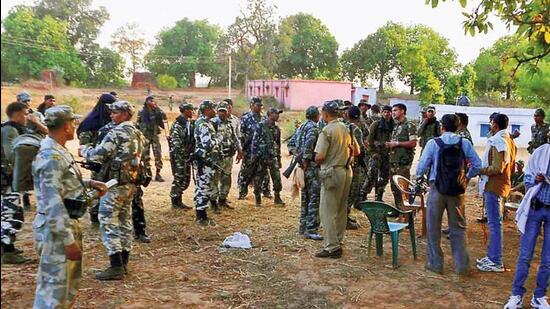
A recent announcement from the Union Home Ministry has cast a fresh ray of hope across Chhattisgarh’s perennially troubled Bastar region. The ministry confirmed that 108 Maoists have relinquished their arms, returning to the mainstream, with a significant detail standing out: at least eight of these individuals were divisional committee members. This collective surrender, a substantial number in itself, underscores ongoing shifts within the insurgency and the effectiveness of sustained peace and rehabilitation efforts. Omni 360 News has been closely monitoring developments in the region, bringing you this detailed analysis.
For three decades, this reporter has witnessed the ebb and flow of conflict and peace initiatives in various parts of the country. What makes this particular event noteworthy isn’t just the raw count of those who have laid down their weapons, but the caliber of leadership among them.
Understanding the Significance of Divisional Committee Members
To grasp the weight of this development, it’s crucial to understand the Maoist organizational structure. Divisional committee members are not mere foot soldiers. They are high-ranking strategists, often responsible for planning and executing significant operations, managing finances, and controlling specific geographic zones within the insurgency’s vast network. Their surrender suggests a considerable blow to the Maoist command structure and morale, disrupting their operational capacity and potentially weakening their hold over remote areas across districts like Sukma, Bijapur, and Dantewada.
Think of it this way for a 12th standard student: Imagine a school play with a director, assistant directors for different scenes, and then the actors. The divisional committee members are like the assistant directors—they have significant responsibility and influence over large parts of the ‘play.’ When they leave, it’s not just an actor walking out; it’s someone crucial to the planning and execution. Their departure creates a vacuum, making it harder for the remaining leaders to coordinate and inspire.
The Driving Forces Behind the Surrender Wave
Local reports and insights from those working on the ground in Bastar point to a confluence of factors contributing to this trend. Firstly, the unwavering pressure from security forces, through targeted operations and area domination, has squeezed the Maoist cadres, limiting their mobility and supply lines. Many surrendering cadres often speak of dwindling resources and increasing difficulty in sustaining their fight.
Secondly, and perhaps more significantly, is the growing disillusionment from within. Years of living a harsh life in the jungle, often witnessing the futility of their violent struggle, combined with a realization of the state’s sincere efforts for development, pushes many to reconsider their path. The promise of rehabilitation and a chance at a normal life, for themselves and their families, becomes increasingly appealing. Many have expressed a desire to reconnect with their families and avoid a violent end.
The government’s surrender and rehabilitation policy, offering financial assistance, vocational training, and social reintegration, plays a pivotal role. These initiatives, spearheaded by both central and state governments, are designed to provide a tangible pathway back to civilian life, addressing the immediate needs of ex-Maoists and helping them become productive members of society. Local administration and police outreach programs, often involving community dialogues and psychological counseling, have also been instrumental in building trust and facilitating these transitions.
Hope for Bastar’s Future
This large-scale surrender isn’t just a win for law enforcement; it’s a victory for the people of Bastar. For decades, these communities have endured violence, displacement, and a severe lack of development due to the conflict. Each surrender brings them closer to the peace they desperately crave, opening doors for roads, schools, hospitals, and economic opportunities that have long been denied.
The return of these individuals to the mainstream also helps break the cycle of recruitment. When former cadres speak of their experiences and the reasons for their return, it can deter young, impressionable minds from joining the insurgency, further weakening the Maoist ideology’s grip.
While this is a significant step forward, the road to lasting peace is long. Challenges remain in ensuring the successful rehabilitation and reintegration of all former cadres, preventing them from falling back into old habits, and addressing the root causes of discontent that once fueled the insurgency. However, such mass surrenders, particularly involving high-ranking members, undoubtedly signal a crucial turning point. They underscore that dialogue and development, coupled with robust security operations, are powerful tools in bringing stability to areas long ravaged by conflict. The quiet courage of those choosing peace over violence is a story worth telling, and it’s a story of hope for Bastar.
Key Takeaways:
* Significant Numbers: 108 Maoists, including 8 divisional committee members, surrendered in Chhattisgarh’s Bastar.
* Strategic Impact: The surrender of high-ranking cadres weakens Maoist leadership and operational capabilities.
* Drivers of Change: Disillusionment within the movement, sustained pressure from security forces, and attractive government rehabilitation policies are key factors.
* Path to Peace: This event signals hope for reduced violence, increased development, and improved quality of life for Bastar’s communities.
* Ongoing Effort: While positive, continued focus on rehabilitation, security, and development is essential for lasting peace in the region.