play
The Dangerous Power: How Words Alone Can Ignite Conflict
Words. They build bridges, they break hearts. And when spoken from the highest office, they can reshape nations, influence markets, and even put lives at risk. Forget tanks and missiles for a moment; sometimes, the most potent weapons in international relations are the ones launched directly from a leader’s mouth or keyboard. Five thousand miles away, ordinary families in Tehran, just like those in Topeka, feel the ripple effects of every pronouncement.
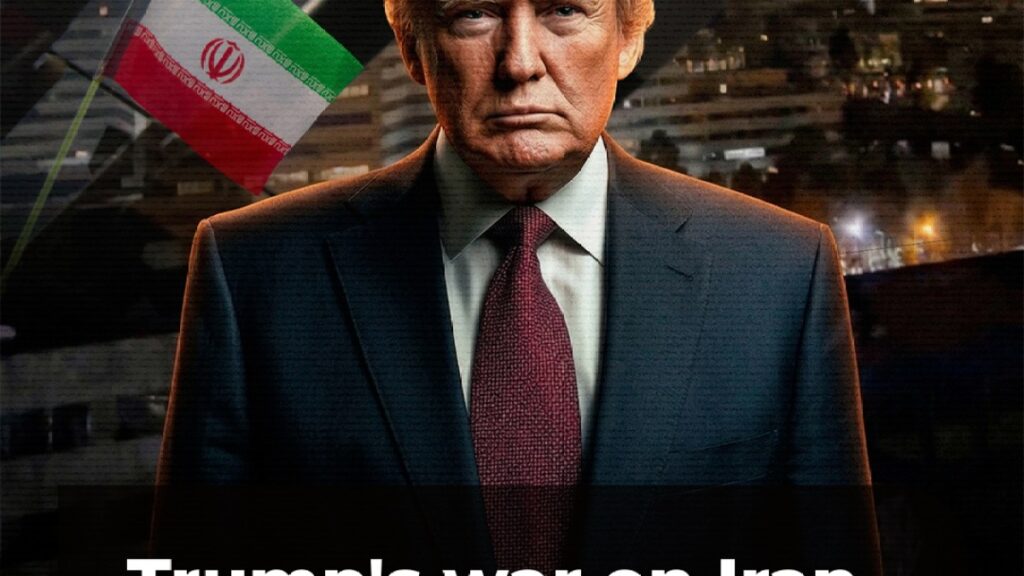
During a contentious period, the former American administration’s strategy toward Iran wasn’t just about sanctions or diplomatic maneuvers. It was often defined by bold, direct statements – what many observers called a “war of words.” These aren’t abstract concepts; they’re declarations that get dissected by diplomats, analyzed by intelligence agencies, and certainly, fuel fears and hopes on the ground. When a president speaks, the world listens. And what former President Trump often spoke about Iran wasn’t subtle; it frequently carried the weight of direct challenge, even existential threat. It’s a communication style that aimed to rattle, to pressure, and undeniably, to dominate the narrative. It left little room for misinterpretation about where the administration stood.
Are Words Really as Dangerous as Bombs?
For some, the rhetoric was a necessary pushback against a regime they saw as inherently hostile. For others, it was an irresponsible escalation, pushing an already volatile region closer to open conflict. The truth, as often happens, lies somewhere in the complex interplay of intent and consequence. What’s actually happening here is simple: words from a world leader aren’t just expressions of opinion. They’re policy signals. They shape expectations, provoke reactions, and can either open pathways for dialogue or slam doors shut. When the commander-in-chief speaks of “war” – even in a metaphorical sense, or as a warning – it sends shivers down spines, not just in enemy capitals but among allies, too. It makes investors nervous, displaces communities, and shifts geopolitical chess pieces. It fundamentally changes the calculus for everyone involved.
The former President often used his own words as a direct instrument of foreign policy. This wasn’t always filtered through diplomatic channels or carefully worded press releases; it was raw, immediate, and undeniably impactful. The “who, what, why” here is clear for those tracking global affairs: Former President Trump, through his explicit public statements, pursued a strategy of intense pressure on Iran. This was aimed at altering the Iranian regime’s behavior and influencing international policy, often generating significant global repercussions. It’s an approach that deliberately blurs the lines between diplomatic maneuvering and outright confrontation, making every speech, every tweet, a potential turning point. It forces us to reckon with the profound responsibility that comes with the power of speech, particularly when wielded on the global stage. It’s a stark reminder that in geopolitics, spoken words carry an unspoken weight, capable of igniting passions and shaping destinies.