play
Lebanon’s Brink: Disarmament Hopes Drowned by Intensified Conflict
Across the globe, we watch as tensions simmer on the Israel-Lebanon border, a region all too familiar with conflict. But for those living near the front lines, it’s not a news headline; it’s the sound of encroaching danger, the grim reality of daily life, and the gnawing uncertainty about tomorrow. This isn’t just a diplomatic spat; it’s a crisis that directly impacts thousands of ordinary people, their homes, and their futures.
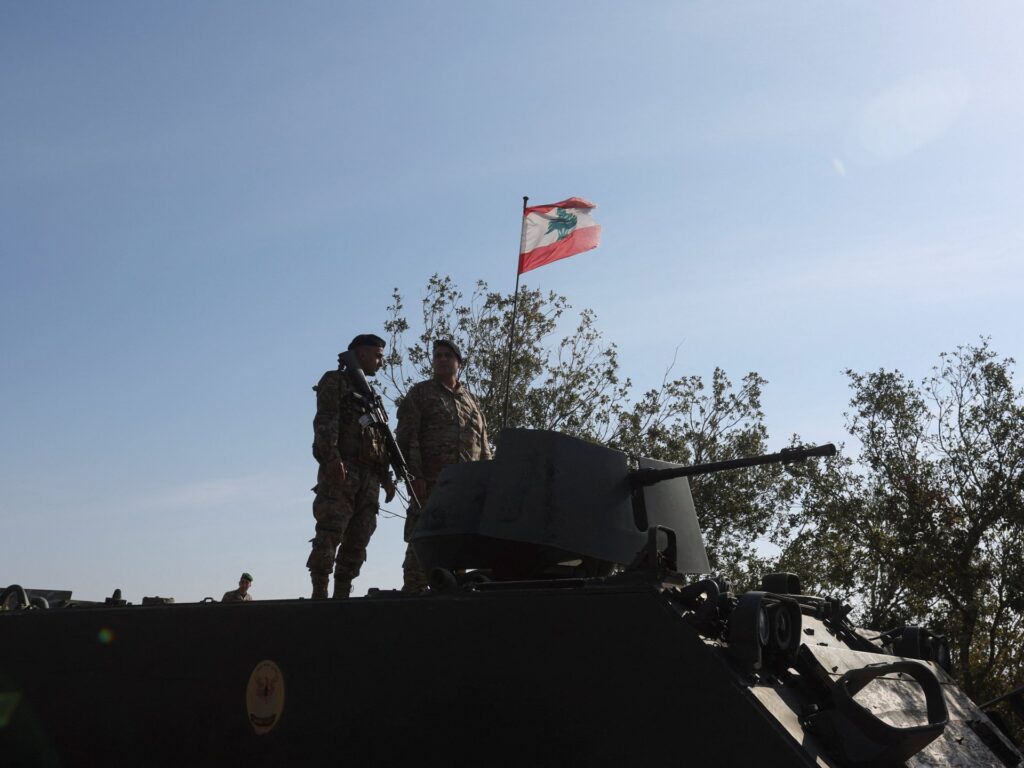
The facts are stark: Israel’s military operations across southern Lebanon aren’t just continuing; they’re intensifying. What we’re seeing isn’t a measured response; it’s a sustained increase in cross-border strikes, targeting areas associated with Hezbollah. The ripple effect is clear: any serious conversation about disarming Hezbollah, a group deemed a terrorist organization by many and a political party by others, has vanished. It’s a goal that’s been on the international agenda for years, now entirely overshadowed by immediate combat. Talk of peace, it seems, has little chance when rockets are flying.
At its core, this situation breaks down simply:
Who: Israel, Lebanon, and Hezbollah. What: Israel has ramped up attacks in Lebanon targeting Hezbollah. Why: This intensified conflict means long-standing international efforts to disarm Hezbollah are now completely overshadowed, pushing stability goals aside for immediate military confrontation and deepening regional uncertainty.
What Happens When Old Goals Go Ignored?
Let’s be blunt: expecting disarmament during an active exchange of fire is like asking someone to put down their umbrella in a downpour. The intensification of Israeli strikes, whether tactical or retaliatory, inevitably hardens Hezbollah’s resolve and, more importantly, solidifies its perceived necessity in the eyes of many supporters. For Hezbollah, these aren’t just attacks; they’re validation, a reason to cling tighter to their arms. This isn’t just a failure of diplomacy; it’s a tragic illustration of how immediate conflict obliterates long-term stability goals. The path to a Lebanon free of non-state militias felt distant before, but now? It’s practically out of sight. We’re witnessing the entrenchment of a very dangerous status quo, where immediate survival trumps every other consideration, leaving little room for a future that looks any different from the past.