Lok Sabha Live Updates: MP demands discussion on Manipur violence; PM Modi set to speak on US-Iran war| India News
India’s Economy Navigates Global Tensions PM Modi Addresses Lok Sabha Amid US-Iran Impact Review
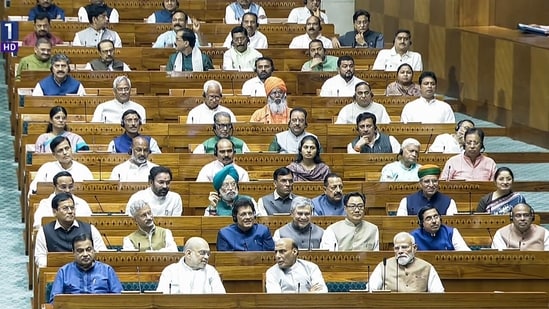
The Lok Sabha buzzed with anticipation as Prime Minister Narendra Modi addressed the house, a day after a critical government review focused on the ramifications of escalating US-Iran tensions on India’s economic landscape. This high-level meeting underscored New Delhi’s proactive stance in assessing potential disruptions to its economy, vital supply chains, and the availability of essential commodities. For citizens across the nation, from bustling metro markets to rural farming communities, the ripple effects of international events like these are a tangible concern, often impacting daily budgets and business operations. Omni 360 News has been closely monitoring developments.
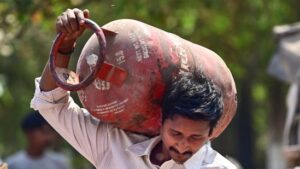
The government’s internal analysis meticulously explored various scenarios. A primary concern remains the volatility in global crude oil prices. India, being a significant net importer of oil, is particularly vulnerable to upward price swings. Such increases directly translate to higher fuel costs at home, affecting transportation, manufacturing inputs, and ultimately, the prices of everyday goods. This could subtly nudge inflation upwards, making things a little more expensive for the average household.
Beyond oil, the review delved into the resilience of India’s complex supply chains. Any escalation in the Strait of Hormuz, a crucial choke point for global oil and trade, could lead to increased shipping costs and delays. Industries reliant on imported raw materials, or those with significant export commitments, could face hurdles. For instance, local electronics assemblers or textile exporters might see their operational costs rise due to freight increases or delayed component deliveries. The government’s deep dive aimed to identify these potential weak links and strategize mitigation efforts.
Ensuring the uninterrupted supply and price stability of essential commodities was another cornerstone of the review. From food grains to crucial medical supplies, the government’s focus is to prevent any artificial shortages or price gouging that could arise from global uncertainties. Measures could include monitoring stock levels, exploring alternative sourcing routes, and diplomatic engagements to secure trade pathways.
Prime Minister Modi’s address to the Lok Sabha, therefore, carried the weight of these economic considerations. While the details of his speech will be meticulously analyzed, the underlying message is often one of reassurance – highlighting India’s economic resilience, its strategic preparedness, and the government’s commitment to safeguarding national interests amidst a turbulent global environment. He likely emphasized prudent fiscal management and continued focus on domestic growth drivers to insulate the economy as much as possible.
Key Takeaways:
* Government actively assesses global geopolitical risks on India’s economy.
* Oil price volatility and supply chain disruptions are primary concerns.
* Focus remains on protecting essential commodity availability and price stability.
* PM Modi’s address aims to reassure the nation about economic resilience.