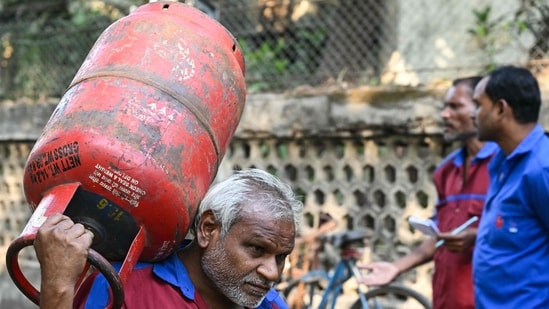
'LPG supply stopped': Bengaluru, Chennai hotels may be closed; Gurugram restaurants worried| India News
Bengaluru and Chennai Hospitality Faces LPG Supply Crisis
The vibrant culinary scenes in Bengaluru and Chennai, home to a dynamic array of eateries from bustling street food stalls to elegant fine dining establishments, are under a significant threat. Hotel and restaurant associations in both metropolitan centers have sounded a stark warning: persistent disruptions in Liquefied Petroleum Gas (LPG) supply could force numerous businesses to halt operations entirely. This looming crisis casts a long shadow over thousands of livelihoods and the very pulse of local economies. Omni 360 News delves into the heart of this unfolding challenge.
For anyone who enjoys a meal out, or even cooks at home, LPG is a familiar sight – it’s the gas that fuels many kitchen stoves. In commercial kitchens, it’s not just a convenience; it’s the lifeline. Restaurants and hotels rely heavily on LPG for cooking, baking, and heating water, demanding consistent, bulk deliveries to keep their operations running smoothly. Unlike a residential connection, a commercial establishment’s needs are immense and constant. When this supply falters, kitchens cannot function, and without functional kitchens, restaurants cannot serve their customers.
Local reports indicate a growing unease among restaurateurs, particularly those running smaller establishments and standalone eateries in popular areas. The problems are not isolated but seem to be systemic, pointing towards potential bottlenecks in the supply chain, logistical hurdles in distribution, or even an unaddressed mismatch between demand and availability. Conversations with local suppliers suggest a struggle to meet the escalating needs, leading to delayed deliveries and, in some cases, a complete lack of refills for extended periods. This situation forces businesses to either drastically scale back operations or consider temporary closures.
The President of the Bengaluru Hotel Association, speaking off-record, expressed grave concerns, highlighting that the frequency and duration of these disruptions are becoming unsustainable. “Our members, especially the smaller and medium-sized restaurants, are operating on razor-thin margins,” the source revealed. “They cannot afford to stock extra cylinders for extended periods, nor can they sustain prolonged periods without cooking fuel. This isn’t just about food; it’s about thousands of jobs – chefs, waiters, cleaning staff, delivery personnel. Their families depend on this industry.”
A similar sentiment echoes from Chennai. The local hotel and restaurant bodies have formally appealed to state authorities, detailing how the unpredictability of LPG refills is creating an untenable situation. Many restaurants, having just begun to recover from the economic setbacks of recent years, now face another formidable obstacle. “Every day lost to an LPG shortage is a day of lost revenue and wasted perishable ingredients,” stated a representative from a Chennai restaurant group. “We need immediate, clear communication and a robust plan to ensure consistent supply.”
The potential impact extends far beyond the restaurant kitchen. The hospitality sector is a crucial pillar of the local economy. A disruption here triggers a cascading effect. Farmers and wholesale suppliers who provide fresh produce, meat, and dairy products to these establishments face a sudden drop in demand. Delivery services, often relying on restaurant orders, see their business shrink. Daily wage earners, who form a significant part of the workforce in this sector, face direct unemployment. The collective hit to local livelihoods and regional economic stability is substantial. Moreover, for cities like Bengaluru, a global tech hub, and Chennai, known for its rich cultural heritage and burgeoning industrial landscape, a thriving food scene is integral to their identity and attractiveness for both residents and visitors.
Addressing this critical issue requires prompt and decisive action. Hotel associations are urging state governments to intervene swiftly, engaging with LPG suppliers and distributors to identify the root causes of the shortages. Potential solutions could involve optimizing logistics, ensuring adequate stock levels, and possibly exploring alternative energy options for commercial kitchens, though transitioning to new systems would require significant time and investment. Until a long-term strategy is in place, immediate measures to stabilize the current supply are paramount.
Key Takeaways:
* Severe Threat: Hotel associations in Bengaluru and Chennai warn of widespread restaurant closures due to ongoing LPG supply disruptions.
* Economic Ripple: Shortages threaten thousands of jobs, impact supply chains for local farmers and vendors, and undermine the broader local economy.
* Livelihoods at Stake: Small and medium-sized eateries, operating on tight margins, are particularly vulnerable to these unpredictable fuel shortages.
* Urgent Call for Action: Industry bodies are appealing to state governments for immediate intervention to stabilize supply and prevent an industry-wide crisis.
* Omni 360 News continues to monitor this evolving situation closely, recognizing its profound implications for the citizens and businesses of these two vital Indian cities.
The unfolding situation demands a collaborative approach involving government bodies, gas suppliers, and industry stakeholders. The resilience of Bengaluru and Chennai’s culinary landscape, a cornerstone of their urban life, now hinges on effective and timely solutions to ensure that the fires in their kitchens continue to burn brightly.